
 Cart is empty
Description
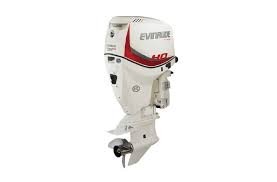
If you’re shopping for an Evinrude 9.8 HP outboard motor, you already know these small four-strokes are getting harder to find in good running condition. We’ve got a clean E10TPL4 in stock, and we’ve had it on the test tank, so before you scroll past this listing thinking it’s just another used motor with a stock photo and a price tag, give us a minute to walk you through what you’re actually looking at.

On this page:
- Why the Evinrude 9.8 HP outboard motor still matters
- What’s actually under the cowl
- Full specifications
- Who this motor actually makes sense for
- Condition and testing
- Shipping, worldwide and domestic
- Maintenance basics
- FAQ
Why the Evinrude 9.8 HP outboard motor still matters
Evinrude stopped building outboards back in 2020, which means every 9.8 HP unit still on the water is one that’s never getting replaced by a fresh one off the line. That’s not a sales gimmick, it’s just the reality of the used outboard market right now. Guys who run jon boats, dinghies, and small aluminum skiffs have been hunting down good Evinrude 9.8 HP outboard motor units for years because the engine hits a sweet spot: light enough to hand-carry down a dock, strong enough to actually push a loaded boat, and simple enough that you’re not paying a mechanic every season to keep it alive.
This particular model, the E10TPL4, is the tiller-steer version with power tilt and a 20-inch long shaft. That shaft length matters more than people think. Too short and you get cavitation the second someone shifts their weight in the boat; too long and you’re dragging extra drag through the water for no reason. Twenty inches is the shaft you want on most transoms built for a motor in this class, so if your boat was originally rigged for something similar, this one should bolt right up.
What’s actually under the cowl
This is a carbureted four-stroke, not one of the fuel-injected E-TEC models, and that’s a point in its favor if you’re the type who wants to be able to pull a carburetor apart on a Saturday morning without needing a laptop and a proprietary diagnostic tool. Evinrude built the 9.8 HP portable around a 209cc two-cylinder block, which is small but not gutless. Full throttle sits in the 5000-6000 RPM window, and the 2.08:1 gear ratio is set up to keep the prop loaded properly at low speed instead of just spinning free.
Depending on how the motor left the factory (rope pull versus electric start, tiller versus remote steering), weight on this class runs somewhere between about 82 and 104 pounds. The tiller long-shaft version we have falls toward the middle of that range, which is still light enough for one person to lift onto a transom without throwing their back out, and light enough that a lot of dinghy and tender owners use it as their go-to travel motor.
Full specifications
| Model | Evinrude E10TPL4 |
| Horsepower | 9.8 HP |
| Engine type | 2-cylinder, 4-stroke, carbureted |
| Displacement | 12.8 cu in (209 cc) |
| Bore x stroke | 2.17 x 1.73 in (55 x 44 mm) |
| Full throttle RPM | 5000-6000 RPM |
| Gear ratio | 2.08:1 |
| Shaft length | 20 in (long shaft) |
| Steering | Tiller handle |
| Trim/tilt | Power tilt |
| Fuel requirement | 87 octane |
| Recommended oil | Evinrude/Johnson 5W40 4-Stroke oil, 27 fl oz capacity |
| Approx. dry weight | ~95-104 lbs (varies by exact configuration) |
| Original warranty (new) | 3-year, non-declining |
Who this motor actually makes sense for
We sell a lot of these to three kinds of buyers, and if you fall into one of them, this listing is probably worth your time:
- Owners of 10 to 14 foot jon boats or aluminum skiffs who want a motor light enough to load into a truck bed themselves
- Sailboat owners looking for an auxiliary or a dinghy motor that won’t dominate the transom of a small tender
- Anyone replacing an aging 8, 9.8, or 10 HP motor from another brand who wants an Evinrude 9.8 HP outboard motor because parts and know-how for this engine family are still widely available
What we don’t recommend it for: pushing anything much past 14 feet with real weight in it, or anyone expecting bass-boat speed. This is a workhorse displacement-hull motor, not a performance engine, and we’d rather tell you that up front than have you disappointed after the sale.

Condition, testing, and what “used” means here
Every Evinrude 9.8 HP outboard motor that comes through our shop goes through the same process before it’s listed. We pull the cowl, check compression on both cylinders, inspect the water pump impeller, run it in a test tank under load, and check the lower unit oil for any sign of water intrusion. If a motor doesn’t hold compression evenly or the gearcase shows contamination, it doesn’t go up for sale as-is, it goes into the rebuild pile instead. So when you buy from us, you’re not gambling on a motor that “ran when we parked it” — you’re buying one we’ve actually put hours on ourselves.
We’ll also tell you plainly: this is a used motor with normal cosmetic wear consistent with its age. It’s not going to look like it just left a showroom, and we’re not going to pretend it does. What it will do is start, idle, and run the way a properly maintained small four-stroke should.
Shipping and buying from outside the US
A good chunk of our Evinrude inventory ends up leaving the country. We regularly crate and ship outboards to buyers across Europe, the Caribbean, South America, West Africa, the Middle East, and Southeast Asia, and we handle the export paperwork on our end so you’re not stuck figuring out customs codes on your own. If you’re buying this as a repower for a fishing boat overseas or picking it up for a resale operation, reach out before you order and we’ll quote freight to your port.
Domestically, we crate every motor for freight shipping and it arrives strapped and padded the same way it would if you drove here to pick it up yourself. We photograph the crating process so you have a record of the condition it left our shop in.
Maintenance basics for this engine
If you’ve never owned a carbureted four-stroke portable before, here’s the short version of keeping an Evinrude 9.8 HP outboard motor running well for another decade:
- Run it on fresh 87 octane fuel and don’t let ethanol-blended gas sit in the carburetor bowl over winter
- Change the gearcase oil once a season and check it for a milky color, which signals a bad seal
- Flush the cooling passages with fresh water after every saltwater use
- Replace the water pump impeller every two to three seasons even if it looks fine, because it fails from the inside first
- Use the recommended 5W40 four-stroke oil at the correct fill level, since these small blocks don’t tolerate being run low
None of this is complicated, and that’s exactly the point. This engine family was built to be serviced by an owner with basic tools, not sent back to a dealer for every small job.
How this compares to buying new
Since Evinrude no longer manufactures outboards, there’s no “new” version of this motor to compare it against directly, only comparable new units from Yamaha, Honda, Suzuki, or Mercury in the same 8-10 HP class, and those routinely list well into four figures before tax and setup. A tested, running Evinrude 9.8 HP outboard motor at our price point gets you into a reliable small outboard for a fraction of that, with the tradeoff being that it’s a proven used engine rather than one with a manufacturer warranty. For a lot of our customers, especially the ones running a backup or secondary boat, that tradeoff makes complete sense.
Frequently asked questions
Will this motor fit my transom? If your transom was built for a long-shaft (20 inch) motor in the 8-15 HP range, yes. Measure from the top of the transom straight down to the bottom of the hull before ordering, since shaft length mistakes are the single most common return reason we see.
Does it come with the tiller handle and throttle? Yes, this is the complete tiller-steer unit, not a bare powerhead.
Can I run this on a sailboat as an auxiliary? Plenty of our customers do exactly that. The 9.8 HP class is one of the most common auxiliary sizes for boats in the 20-26 foot range.
What’s the warranty on a used unit? We stand behind our own inspection and testing; specific coverage terms are listed at checkout and we’re happy to talk through them by phone before you buy.
Do you ship this motor internationally? Yes — see the shipping section above, and contact us for a freight quote to your country.
Is this motor legal to run where I live? The 9.8 HP portable meets EPA 2013 and CARB 3-star emissions ratings from its original certification, which covers most US states without issue. If you’re importing into a country with stricter marine emissions rules, check with your local authority before ordering, since regulations vary and we can’t make that call for you.
Can I get a mechanic’s inspection report before buying? Yes. We can send photos of the compression test readings, the water pump condition, and video of the test-tank run on request, before you commit to purchase.
What payment methods do you accept? We take major cards and bank transfer through checkout, and for larger international export orders we can also arrange wire transfer directly, which a lot of our overseas customers prefer for a purchase this size.
Getting it home or to your port
Once you check out, here’s what actually happens on our end. The motor gets a final once-over, we drain any test fuel for shipping safety, and it goes into a purpose-built crate sized for an outboard in this weight class, not a generic box that lets it shift around in transit. Domestic orders typically move within a few business days of cleared payment.
Export orders take a bit longer because we’re coordinating with a freight forwarder and preparing the commercial invoice and any certificates your country’s customs office requires, but we handle that paperwork as part of the sale rather than leaving you to figure it out after the fact. If you’ve never imported a used outboard before, just ask us what your country typically requires; we’ve shipped enough of these that we usually already know.
A straight answer on value
We’re not going to tell you a used Evinrude 9.8 HP outboard motor is a better engine than it is. It’s a proven, simple, carbureted four-stroke from a brand that no longer makes outboards, which means the supply of good used units only shrinks from here. What you’re buying is a tested engine at a fair price, backed by a shop that actually stands behind its own inspection work instead of just relisting whatever comes through the door. For a huge number of jon boat owners, dinghy sailors, and backup-motor buyers, that’s exactly the right amount of engine for the job, and it’s why this size sells as fast as we can get it inspected and photographed.
Picking the right shaft length before you buy
We get this question on almost every call about an Evinrude 9.8 HP outboard motor, so let’s settle it here. Shaft length is measured from the top of the transom clamp to the anti-ventilation plate just above the propeller, not the overall height of the motor. A 20-inch long shaft, which is what this E10TPL4 has, is built for transoms in the 20 to 22 inch range, which covers the overwhelming majority of jon boats, small aluminum skiffs, inflatable dinghies, and sailboat transom brackets on the market.
If you measure your transom and get something closer to 15 inches, you’d want a short-shaft motor instead, and running the wrong shaft length is the number one cause of cavitation, exhaust smoke in the cockpit, and steering porpoising that we hear about from customers who guessed instead of measuring. It takes five minutes with a tape measure and it saves you a return shipment.
Transom brackets on sailboats are a special case worth mentioning separately, since a lot of our Evinrude 9.8 HP outboard motor buyers are sailors. Most outboard brackets for auxiliary power are designed around a 20-inch long shaft specifically because the bracket itself adds height above the actual transom, so double-check your bracket manufacturer’s recommended shaft length rather than measuring the hull alone.
What a used engine inspection actually catches
We mentioned earlier that every motor gets pulled apart and tested before it’s listed, but it’s worth explaining what that actually means in practice, because “inspected” gets thrown around loosely in this industry. Here’s our real checklist on a small four-stroke portable like this one:
- Compression test on both cylinders, recorded and compared against factory spec, not just “it feels okay”
- Spark plug pull to check combustion color, which tells us if the carburetor is running rich, lean, or correct
- Water pump housing inspection, since a cracked or worn impeller housing is one of the most common failure points on a motor this age
- Lower unit oil drain and inspection for water contamination, which would indicate a bad prop shaft seal
- Fuel system cleaning, including the carburetor bowl and jets, since stale ethanol fuel is the single most common reason a stored outboard won’t idle
- Full test-tank run under actual load, not just a five-second dry start
- Visual check of the powerhead mounts, cowl latches, and tiller handle for cracks or excessive play
If a motor fails any of these in a way we can’t fix properly, it doesn’t get listed as ready-to-run. That’s a deliberate choice on our part, because the used outboard market has enough sellers moving motors sight-unseen off a dock, and we’d rather be the shop that tells you the truth about what you’re buying.
Break-in and first-run advice once it’s on your boat
Even though this Evinrude 9.8 HP outboard motor already has hours on it and isn’t a factory-fresh engine needing a formal break-in period, we still recommend an easy first hour or two once it’s mounted on your boat. Run it at moderate throttle rather than pinning it wide open right away, vary the RPM instead of holding one speed the whole time, and keep an eye on the water stream from the tell-tale to make sure the pump is flowing properly in your specific mounting height. This isn’t about babying the engine, it’s about giving yourself a chance to notice anything that shipping or reinstallation might have disturbed before you’re twenty miles from the ramp.
Once you’re past that first outing, this motor doesn’t ask for much. Small four-strokes in this class are some of the lowest-maintenance outboards ever built, which is a big part of why so many buyers specifically search out an Evinrude 9.8 HP outboard motor instead of gambling on a mystery brand off a classifieds site.
Storage and off-season care
If you’re not running this motor year-round, a little off-season prep goes a long way. Run the carburetor dry before storage rather than leaving fuel sitting in the bowl, since that’s the single biggest cause of hard starting in spring. Fog the cylinders with fogging oil through the carburetor throat while the engine is running at idle just before shutdown.
Change the gearcase oil before storage rather than after, so any moisture that accumulated over the season isn’t sitting against internal gears all winter. Store the motor upright, or on the trailer in its normal running position, rather than laid on its side, so oil stays where it belongs. None of this takes more than twenty minutes, and it’s the difference between a motor that fires on the second pull in spring and one that needs a carb rebuild.
How we source and price our inventory
People sometimes ask why our pricing on a used Evinrude 9.8 HP outboard motor looks different from a private classifieds listing for what sounds like the same engine. The honest answer is that we’re not just flipping motors as-is. We buy in running gear, boat trades, and estate sales, then every engine goes through the inspection process outlined above before it’s priced and listed. That labor and parts cost gets built into the price, but it also means you’re not inheriting someone else’s deferred maintenance. A private seller has no obligation to tell you the water pump is on its last legs. We do, because we’re the ones who pulled it apart and looked.
Comparing this to the rest of the Evinrude portable lineup
Evinrude’s small four-stroke portable family ran from roughly 3.5 HP up through 15 HP, all sharing a similar design philosophy of carbureted simplicity over the fuel-injected E-TEC technology used on their midrange and high-output models. The 9.8 HP sits right in the middle of that portable range, which is exactly why it’s one of the more sought-after sizes.
It’s enough motor to push a loaded 12 to 14 foot boat at a reasonable clip, but it’s still light enough to lift by hand, unlike the 15 HP version which adds noticeable weight for a fairly modest power gain. If you’re cross-shopping and unsure whether you need more power, ask yourself honestly how loaded your boat typically runs; if it’s usually just you and gear, the 9.8 is very likely the smarter buy over a heavier 15.

Bottom line
We don’t dress these listings up with more than they deserve. This Evinrude 9.8 HP outboard motor is a tested, running E10TPL4 with power tilt, a 20-inch shaft, and tiller steering, priced to move because we’d rather sell it to someone who’ll actually use it than have it sit in the shop. If you’ve got questions about fit, shipping, or condition that this page didn’t answer, get in touch with our team and we’ll answer straight, the same way we’d want a dealer to answer us. You can also browse our other Evinrude outboard motors in stock if this particular horsepower isn’t quite the right fit for your boat.
For a full breakdown of factory specifications on this engine family, BRP’s own Evinrude Portables 9.8 HP technical specification sheet is worth a look if you want the manufacturer’s original numbers side by side with what we’ve listed here.
Want to compare before you decide? Our Evinrude 9.8 HP buying guide covers every 9.8 HP E-TEC we sell, and the Evinrude 9.8 HP category shows the other units in stock right now. If you’re between sizes, the Evinrude 6 HP guide and the Evinrude 15 HP guide are worth a read too. For background on the E-TEC system itself, see our Evinrude E-TEC outboard page.


Reviews
There are no reviews yet.