
 Cart is empty
Description
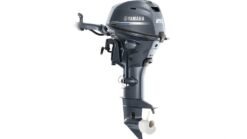
We have a new Yamaha F40JEA for sale, crated and ready to ship worldwide. The F40JEA is Yamaha’s 40 HP jet drive four-stroke set up for remote steering and electric start. It uses the 747 cc three-cylinder powerhead with a jet pump in place of a gearcase and propeller, and it gives about 30 HP at the pump. It is the motor for a console jet boat: you steer with a wheel, run a throttle and shift lever, and still get a boat that crosses shallow gravel and rocky riffles.
Below are the full specs, why you might choose remote over tiller on a jet, how to rig it, and how to order. For a delivered price, send us a message.

Yamaha F40JEA Specifications
| Model | Yamaha F40JEA |
|---|---|
| Type | Jet drive four-stroke, remote steering |
| Powerhead | 40 HP |
| Power at the pump | About 30 HP |
| Cylinders | 3, inline, SOHC |
| Displacement | 747 cc |
| Bore x stroke | 65 x 75 mm |
| Fuel system | Electronic fuel injection |
| Controls | Remote, mechanical |
| Starting | Electric |
| Weight | 219 lb |
| Full throttle range | 5,000 to 6,000 rpm |
| Condition | New, factory crated |
Every Yamaha F40JEA for sale on our site is new. Send us your transom height when you ask for a quote so we can confirm the right setup for your hull.
Reading the Code
F means four-stroke. 40 is the powerhead horsepower. J is jet drive. E is electric start. A is the version. There is no H, so this is the remote-steering model rather than the tiller. If you want a tiller, look at the Yamaha F40JEHA.
Why Choose Remote on a Jet
Most tiny jet boats use tillers, but remote steering has real advantages on some boats.
Visibility. Standing or sitting at a side console, you see further ahead. In fast, shallow water, seeing the next riffle earlier helps you pick your line.
Comfort. On long runs, steering with a wheel is easier on your arm and back than holding a tiller for hours.
Weight balance. The driver sits forward, not at the transom. That keeps the boat level and helps it get on plane, which matters on a jet.
Easier for others. Family, guests and staff often find a wheel more intuitive than a tiller.
Gauges and electronics. A console gives you a place for a gauge, a GPS and a switch panel.
If your boat has a console, or you plan to add one, the Yamaha F40JEA for sale here is the jet to match.
The 30 HP at the Pump Explained
The engine makes 40 HP. A jet pump loses some power moving water, so Yamaha rates the F40 jet at about 30 HP at the pump. In practice, that is roughly the push of a 30 HP prop motor. You give up some push and some fuel economy. In return, you get a boat with nothing hanging below the hull to hit rocks. On shallow rivers, that is the whole point.
Boats That Suit It
- Welded aluminium river boats with a side console
- Jon boats with a console and jet tunnel
- Light shallow-V river sleds
- Small utility and survey boats for shallow water
Flat or nearly flat bottoms at the stern work best. A jet tunnel is a bonus. Deep-V hulls deflect water away from the intake and are a poor match. Check that the boat is rated for 40 HP, since jet ratings use the powerhead figure. With about 30 HP at the pump, keep the load sensible: one to three people with normal gear on a 14 to 16 foot boat.
The Engine
The 747 cc three-cylinder is the same engine Yamaha uses in the F30 and F40. Single overhead cam, electronic fuel injection, long-track induction and a single throttle valve. It starts easily, idles smoothly and responds quickly. The engine control module can talk to Yamaha digital gauges, so on a console boat you can see rpm, hours and warnings at a glance.
Yamaha’s YDC-30 alloy and five-layer paint system resist corrosion, which helps if you run brackish or tidal water. Flush after each trip and check anodes, and the Yamaha F40JEA for sale here will hold up well.
Rigging a Remote Jet
A remote jet needs a little more rigging than a tiller, but nothing complicated. Here is the list.
- Control box. A Yamaha mechanical control, side mount or top mount, for throttle and shift.
- Cables. Throttle and shift cables of the right length for your boat. The shift cable operates the reverse gate.
- Steering. Cable steering is common at this size. Some owners prefer hydraulic for a lighter feel.
- Harness and key switch. To connect the motor to the helm, with a start key or button and a kill switch.
- Gauge. Optional, but a Yamaha digital gauge shows rpm, hours and warnings.
- Battery. A marine starting battery in a secure box, ideally near the console to balance the boat.
- Fuel. A fuel line with a primer bulb and a water-separating filter.
The shift cable adjustment is important on a jet. It controls the reverse gate, and if it is off, the gate may not fully open in forward or fully close in reverse. That costs speed and stopping power. A dealer or mechanic with jet experience will set it correctly when installing the Yamaha F40JEA for sale.
Mounting Height
Height decides how well a jet works. Start with the leading edge of the intake grate level with the bottom of the hull, or very slightly below. On a tunnel hull, follow the builder’s guidance. Test with a normal load and adjust a little at a time. If the engine revs but the boat does not accelerate, and the pump rattles, the intake is sucking air and the motor needs to come down. If the boat throws a lot of spray and feels slow, try raising it.
Driving a Console Jet
Get on plane in deep water. The boat sits lower at rest.
Keep speed up over shallows. Slowing on a shallow bar lets the boat settle onto the gravel.
Use a little throttle to steer. At idle, the water stream is weak and the boat turns slowly.
Stop early. The reverse gate is gentler than a prop’s reverse.
Turn smoothly in shallow water. Hard turns can lift the intake.
From the console, you can see the river ahead and plan your line early. With practice, a Yamaha F40JEA for sale like this one handles tricky water with confidence.
Pump Maintenance
Grease the jet bearing after every trip, or as the manual says. Pump in grease until some old grease comes out.
Clear the intake grate of weed and debris, and check for bent bars.
Check impeller clearance regularly. Sand and gravel wear the impeller and liner, the gap grows, and thrust drops. Move shims as the manual describes to bring the impeller closer.
Inspect the impeller edges for chips and rounding. Dress light wear. Replace a badly damaged impeller.
Engine Maintenance
- Flush with fresh water after every trip.
- Check the tell-tale stream every time you start.
- Change the oil and filter on schedule.
- Replace the cooling water pump impeller on schedule, sooner in sandy water.
- Check anodes and replace when worn.
- Use fresh fuel and keep the filter clean.
- Grease the steering and the swivel and tilt points.
Stick to that and the Yamaha F40JEA for sale will keep running strong.
Break-in
Ten hours of moderate, varied running. No long full-throttle runs until it is done. After the break-in, change the oil and filter, grease the bearing and check impeller clearance.
Who Buys the F40JEA
River anglers with console sleds. Landowners who cross shallow rivers regularly. Small outfitters who want guests or staff to drive with a wheel. Survey and research crews working wetlands and shallow rivers. Rescue teams that need a light, shallow boat with a console for radios and lights. If you need more than one Yamaha F40JEA for sale, tell us how many and we will quote them together.
A Day on the River With a Console Jet
You launch a 16 foot welded sled with a side console at a gravel ramp. You turn the key and the Yamaha F40JEA for sale you bought this year starts immediately. From the console, you look upstream. The river is low and clear, with a long riffle a few hundred yards up. You idle into a deep pool, push the throttle forward and the boat climbs onto plane.
Standing at the wheel, you see the riffle well before you reach it. You spot the darker tongue of water near the far bank and steer for it. The boat skims across, gravel hissing under the hull. A few miles up, you reach a canyon pool and shut down to fish. Later, you run back down carefully, flush the motor at the ramp and grease the jet bearing. A day like that is why people choose a Yamaha F40JEA for sale with remote steering.
Cold Weather and Storage
In freezing weather, leave the motor down after each trip so water drains from the cooling passages and pump. Grease the bearing every time. Keep the battery charged for the electric start. At the end of the season, stabilise the fuel, change the oil and filter, grease the bearing, flush and drain, fog the engine, check pump parts and put the battery on a maintainer. In spring, check everything and run the motor on water before your first trip.
Fuel and Range
Jets use more fuel than prop motors at the same speed, and running upstream uses more again. Track your fuel for the first few trips so you know your range, and always keep a reserve. Use a water-separating filter with a clear bowl and drain any water. Add stabiliser if the boat sits.
Spares to Carry
Grease and a grease gun, a shim kit, a spare fuel filter element, spark plugs, fuses and a basic tool kit. At home, oil and a filter for the next service. We can add spares to your Yamaha F40JEA for sale order so they ship together.
Choosing the Right Hull
A console jet works best on a welded aluminium hull about 14 to 16 feet long, with a flat or very shallow-V bottom at the stern. Water has to flow straight into the intake, and deep-V hulls push it aside. A jet tunnel is a big advantage, because it lets you mount the motor higher so the pump is protected and the boat floats shallower.
Put the console on the side so the driver’s weight sits forward of the transom. That helps the boat get on plane quickly and ride level. Keep heavy items like the battery and fuel tank near the middle. A light, balanced boat makes the most of the 30 HP at the pump from the Yamaha F40JEA for sale.
Jet or Prop: Which Makes Sense?
If you mostly run deep rivers or lakes, a prop motor such as the F40LA gives more push and better fuel economy. If shallow gravel, rocky shoals or weedy flats are part of every trip, a jet saves you from broken props and damaged gearcases. Many owners who switch find a jet cheaper to own on shallow rivers, because the repair bills stop. If that sounds like your water, the Yamaha F40JEA for sale is a smart choice.
Safety Habits
- Wear a life jacket every time.
- Clip the kill switch lanyard to yourself before starting the motor.
- Tell someone your route and return time.
- Carry a paddle or pole, throw rope, first aid kit and a way to call for help.
- Run slowly in unfamiliar water and poor light.
- Anchor from the bow or stern only in current.
Careful driving also protects the pump. Most jet damage comes from running slowly over shallow gravel or hitting an unseen rock at speed.
New vs Used
Used jets often hide worn impellers, dry bearings and scored liners. A new Yamaha F40JEA for sale from us starts with a fresh pump, zero hours and full paperwork. When you are miles up a remote river, knowing your motor’s history matters.
Not sure the F40JEA is right for your boat? Send us the hull details, typical load and the kind of water you run. We will tell you honestly whether the Yamaha F40JEA for sale fits, or whether a bigger jet or a prop motor would suit you better.
Teaching Guests and Staff
One reason people pick a remote jet is so other people can drive. A wheel feels familiar to most drivers, but a jet still behaves differently from a prop boat. Before handing over the controls, take each new driver out to a calm, deep stretch and spend twenty minutes on the basics.
Show them that the boat needs a little throttle to steer, and that at idle it will drift and turn slowly. Have them practise stopping with the reverse gate so they learn how much room it takes. Show them how to tilt the motor and clear the intake grate, and how to check the tell-tale stream. Make sure they clip on the kill switch lanyard every single time.
Then explain the most important rule of jet boating: keep speed up over shallow water and never slow down or stop on top of a gravel bar. A driver who understands that will rarely get into trouble.
Write a short checklist and stick it on the console: lanyard on, fuel valve open, tell-tale running, grate clear. At the end of the day: flush, grease the bearing, leave the motor down to drain. Simple habits like these protect the motor and keep everyone safe. They are a big part of why outfitters who run the Yamaha F40JEA for sale get so many trouble-free seasons from it.
Gauges help here too. A Yamaha digital gauge on the console shows rpm and warning alerts, so a less experienced driver can see at a glance if something is wrong, like overheating from a blocked cooling intake. It is a small addition that can save an expensive repair.
Where the Console Should Go
On most small sleds, a side console about a third of the way forward from the transom works well. It puts the driver’s weight forward of the motor, gives a clear view ahead and leaves the bow open. Run the cables and harness along the side of the hull, secured so they cannot chafe. Keep the shift cable as straight as possible, because tight bends make shifting stiff and can stop the reverse gate moving fully. Your installer will route everything properly when fitting the Yamaha F40JEA for sale.
Reading Shallow Water From the Console
Standing at a console gives you a better view of the river, and the better you read it, the safer and faster you will run. Darker water is usually deeper. Light, shiny water over pale stones is shallow. A smooth V shape pointing downstream marks the deep tongue between rocks. Small bumps and boils on the surface often sit over rocks just below. The outside of a bend is deeper, while the inside often hides a gravel bar.
Learn a new river at higher water and note the channels, then come back as levels drop. Mark tricky spots on a GPS if you have one at the console. Run upstream through difficult sections when you can, because going against the current gives you more control and more time to react. Put those skills together with the Yamaha F40JEA for sale and you will run stretches of river most boaters never see, with far less risk to the boat or the pump.
How to Order
- Send us a message through the contact page.
- Tell us you want the Yamaha F40JEA for sale, your transom height and where you are.
- Add controls, cables or spares if you need them.
- We send a delivered price.
- You confirm and pay.
- We ship with FedEx, UPS or USPS and send tracking.
Read our refund and return policy and terms and conditions before you buy.
Shipping Worldwide
We ship to buyers in the Americas, Europe, Africa, the Middle East, Asia and Australia. The motor goes in its factory crate with tracking. At 219 pounds it is easy to ship. Import duties depend on your country, so check with your customs office before the Yamaha F40JEA for sale arrives. Inspect the crate on delivery and photograph any damage before signing. Keep the paperwork for your local Yamaha dealer. Warranty terms depend on your country.
Related Motors
- Yamaha F40JEHA, the tiller version
- Yamaha Jet Drive 40HP, for heavier boats
- Yamaha F90JB, for bigger river sleds
- Yamaha F40LA, the remote prop 40
Browse the 40 HP Yamaha range, all Yamaha outboards, the shop, reviews, about us and the blog. Yamaha’s official site covers its jet range.
Frequently Asked Questions
Is the Yamaha F40JEA new?
Yes. Every Yamaha F40JEA for sale on our site is new and in the factory crate.
Is it tiller or remote?
Remote. The tiller version is the F40JEHA.
How much push does it have?
About 30 HP at the pump from a 40 HP powerhead.
How much does it weigh?
The Yamaha F40JEA for sale here weighs 219 lb.
Do I need special controls?
A standard Yamaha mechanical remote control works. The shift cable runs the reverse gate.
Do you ship worldwide?
Yes, with FedEx, UPS and USPS.
Get Your Price
If you want a console jet boat that runs shallow rivers with ease, the Yamaha F40JEA for sale here is the motor. Send us your country, boat details and transom height, and we will reply with a delivered price.
Ready to order the Yamaha F40JEA for sale? Add it to your cart above, or send us your location for a delivered quote. We ship worldwide with FedEx, UPS and USPS, crated and tracked, and we are always happy to help with rigging questions before and after the motor arrives at your door.
Still deciding? Message us with your boat details and we will tell you honestly whether the Yamaha F40JEA for sale is the right motor, what rigging you will need and what it will cost delivered to your door. We answer every message personally, and there is never any pressure to buy. If it is not the right fit, we will point you to the model that is.


Reviews
There are no reviews yet.