
 Cart is empty
Description
If you need a Yamaha F90JB jet outboard, we have it new and crated, ready to ship to your country. The F90JB is Yamaha’s 90 HP jet drive four-stroke. It runs a jet pump in place of a gearcase and prop, so it can go where propped outboards cannot: shallow rivers, rocky shoals, gravel bars and white water. Yamaha’s own description says their jet drives can boldly go where no propped outboard would dare, and that is about right.
This page is a practical guide to choosing, running and looking after a jet. I will also explain how the 90 sits in Yamaha’s jet range, so you can be sure it is the right size. For a price, get in touch.
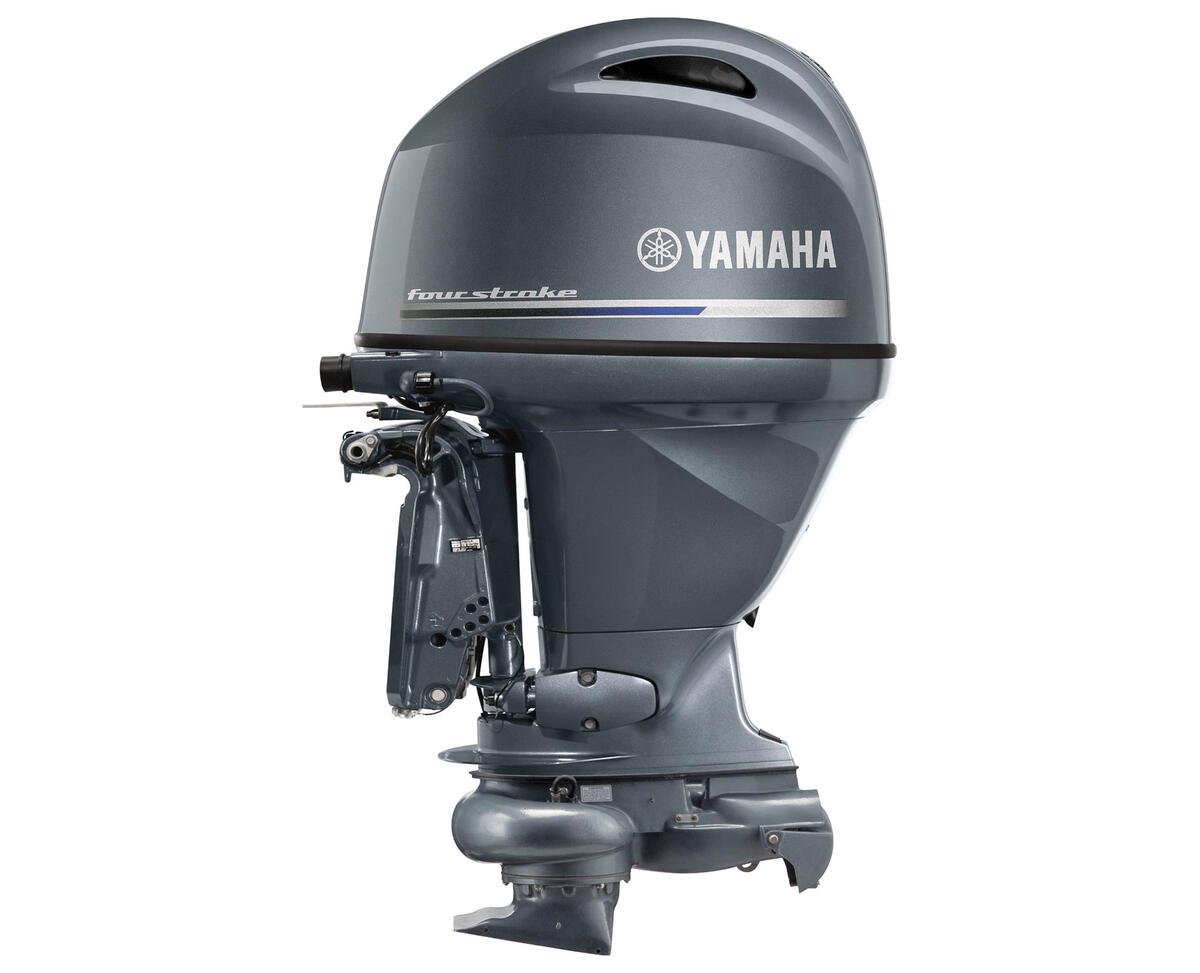
Specifications
- Model: Yamaha F90JB
- Type: Jet drive four-stroke outboard
- Powerhead: 90 HP
- Power at the pump: about 65 HP
- Engine: 1.8 litre (1,832 cc) inline 4-cylinder, SOHC, 16 valves
- Fuel: Electronic fuel injection
- Construction: YDC-30 aluminium alloy, long-track induction
- Shaft: 25 inch extra long (jet)
- Throttle and shift: Remote mechanical
- Starter: Electric
- Trim and tilt: Power trim and tilt
- Rotation: Standard
- Condition: New, factory crated
Where the 90 Fits in Yamaha’s Jet Range
Yamaha makes jet drive four-strokes in several sizes: 150, 115, 90, 60 and 40 HP powerheads. Picking the right one comes down to your boat size, load and how hard you run upstream.
40 and 60 HP jets suit small, light river boats, one or two people with light gear. Good for small creeks and slow rivers.
The 90 HP jet is the middle of the range. It suits 16 to 18 foot aluminium river boats carrying two to four people with gear, running moderate current. For many river anglers and hunters, it is the sweet spot.
115 and 150 HP jets suit bigger, heavier boats, more passengers, strong current and long runs upriver.
Remember that jet ratings refer to the powerhead. The Yamaha F90JB jet outboard makes about 65 HP at the pump. So when you size a jet, think about the thrust you actually need. If you are often loaded heavy or fighting a strong current, go up a size. If you run light on gentle rivers, the 90 will feel strong.
Is a Jet Right for You?
Ask yourself three questions.
Do you regularly run water under a couple of feet deep? If yes, a jet makes sense.
Do you hit rocks or gravel often with a prop motor? If yes, a jet will save you a lot of props and gearcases.
Do you mostly run deep lakes or open water? If yes, a prop motor is more efficient and probably better.
If your answers point to shallow water, the Yamaha F90JB jet outboard is likely a good fit.
The Powerhead
The F90JB uses the same 1.8 litre four-cylinder as Yamaha’s standard F90. It is compact, light and proven. Single overhead cam, four valves per cylinder, electronic fuel injection. Yamaha says the redesigned F90 jet uses a long-track induction system and its proprietary YDC-30 aluminium alloy to create a light, compact, powerful outboard for deck boats and deep-V hulls navigating shallow water, though in my experience jets work best on flat or shallow-V aluminium hulls.
Fuel injection gives you easy starts, which matters when you are miles up a remote river on a cold morning. It also gives good economy for a jet and smooth, clean throttle response.
Mounting the Jet
Mounting height on a jet is critical. Too high and the pump sucks air. Too low and the intake drags, slows the boat and picks up rocks.
The usual starting point is the leading edge of the intake grate level with the bottom of the hull, or just slightly lower. On a tunnel hull, follow the builder’s guidance, as the motor typically sits higher. Then test and adjust. Watch for cavitation: revs climbing without the boat speeding up, or a rattling sound from the pump.
Have an installer with jet experience do this if you can. It makes a huge difference to how the Yamaha F90JB jet outboard performs.
Daily Care
A jet needs a few extra minutes of care each day.
- Grease the jet bearing. After every trip, or as the manual says. It keeps water out and the bearing healthy.
- Clear the intake grate. Sticks, weed and leaves block flow.
- Flush the motor. Fresh water through the cooling system.
- Look at the impeller edges. Through the intake, check for chips or rounding.
Impeller Clearance and Wear
This is the job most new jet owners do not know about. The jet impeller sits inside a liner. The smaller the gap between them, the more thrust you get. Over time, sand and gravel wear the impeller edges and the liner, the gap grows, and thrust drops off.
Yamaha’s design lets you move the impeller closer using shims. You check the gap, remove a shim from one side and add it to the other, and the impeller moves down. Do this regularly and you keep the pump performing like new. When the impeller is too worn to adjust, it can sometimes be sharpened, or replaced.
The manual explains the procedure. It is a simple job once you have done it once. Keep a spare shim kit with your Yamaha F90JB jet outboard.
Running Tips
- Get on plane in deeper water before crossing shallows.
- Keep your speed up over shallow bars. Do not stop on them.
- Avoid loose sand and fine gravel where you can. It wears the pump.
- Turn smoothly in shallow water to keep the intake submerged.
- Run upstream through tricky sections where possible for more control.
- Watch the tell-tale and gauges, especially in shallow, warm water.
Rigging and Install
The Yamaha F90JB jet outboard uses mechanical remote controls. You will need a Yamaha control box, cables, a harness, a key switch, a gauge, steering, a fuel line with a water-separating filter and a good starting battery. Have a dealer or mechanic with jet experience install it. Warranty terms depend on your country, so ask your local dealer.
Break-in
Ten hours, gently, varying the rpm. Avoid long full-throttle runs. After the break-in, change the oil and filter and grease the jet bearing.
How to Order
- Message us through our contact page.
- Tell us the model, how many and where you are.
- Add any parts, such as shim kits, grease and filters.
- We send a delivered price.
- You confirm and pay.
- We ship with FedEx, UPS or USPS and send tracking.
See our refund and return policy and terms and conditions.
Shipping
We ship worldwide in the factory crate with tracking. Import duties depend on your country. Inspect the crate on arrival and photograph any damage before signing.
Related Motors
- Yamaha F90JB, our other listing for this jet
- Yamaha F90XB, the prop version with a 25 inch shaft
- Yamaha V MAX SHO 90, for deeper-water performance
Or browse the 90 HP Yamaha range, all Yamaha outboards and the shop. See our reviews, about page and blog. Yamaha’s official outboard site covers the jet range too.
Picking the Right Hull
A jet is only as good as the boat it is on. If you are buying a hull to go with the Yamaha F90JB jet outboard, here is what to look for.
Flat or shallow-V bottom at the stern. Water needs to flow cleanly into the intake. Deep-V hulls tend to deflect water away from it, so the pump struggles. Flat or nearly flat at the back is best.
A jet tunnel. Many aluminium river boats come in a jet tunnel version. The tunnel is a channel moulded or welded into the bottom at the stern. It lets you mount the motor higher so the intake is protected and the boat can run shallower.
Welded aluminium. Rocky rivers are tough on hulls. Welded aluminium handles knocks far better than riveted aluminium or fibreglass.
Wide beam. A wider boat carries more load and floats shallower at rest.
Length. For a 90 jet, 16 to 18 feet is a common size. Longer boats need more power.
Weight rating. Check the capacity plate. Jets need to get on plane to run shallow, so do not overload the boat.
Put the Yamaha F90JB jet outboard on a well-matched hull and you get a boat that floats in inches and climbs up rivers you could never reach before.
Loading the Boat
How you load a jet boat matters more than with a prop boat. A jet boat needs to get on plane quickly and ride level to keep water flowing into the intake. Put heavy gear like fuel, coolers and batteries in the middle of the boat, not right at the stern. Spread passengers out. If the boat is stern heavy, the bow rises, the intake can pull air, and the boat takes longer to get on plane.
A balanced boat gets up faster and runs shallower. It is one of the simplest things you can do to get the most from the Yamaha F90JB jet outboard.
Reading River Water
Jet boating is part machine and part river skill. The more you read the water, the safer and more confident you get.
Darker water is deeper. In clear rivers, look for the darker channel. Light, shiny water over pale stones is usually shallow.
V shapes point to the channel. A V of smooth water pointing downstream usually marks the deep tongue between rocks.
Standing waves mean rocks below. Small bumps or boils in the surface can mean a rock just under the surface.
Outside of bends is deeper. Water speeds up and digs deeper on the outside of a bend. The inside is often a shallow gravel bar.
Learn the river at higher water. Run a new river when the water is up and take note of the channels. Then come back as the water drops.
Combine that knowledge with the Yamaha F90JB jet outboard and you will be surprised where you can go.
Safety on Rivers
Rivers can be dangerous. Current, cold water, logs and rocks all bring risks. A few rules go a long way.
- Wear a life jacket. Always. River currents are stronger than they look.
- Wear the kill switch lanyard so the motor stops if you go overboard.
- Tell someone where you are going and when you will be back.
- Carry a throw rope, a paddle, a first aid kit and a way to call for help.
- Run with another boat in remote areas if possible.
- Slow down in unfamiliar water. Logs and rocks move after floods.
- Know your limits. Do not try a rapid you are unsure about.
The Yamaha F90JB jet outboard is a reliable motor, but good habits keep you safe when something unexpected happens.
Sand, Silt and Wear
The biggest enemy of a jet pump is fine sand. It acts like sandpaper on the impeller and liner. Over time, the edges round off and the gap opens up. You will notice the boat gets on plane more slowly and top speed drops.
You cannot avoid sand completely on most rivers, but you can reduce it. Avoid running slowly over sandy bottoms. Do not start or stop the motor in very shallow sandy water. Keep the impeller clearance adjusted with shims. And check the impeller edges regularly.
The cooling water pump also suffers in sandy rivers. Change the water pump impeller more often than the manual suggests if you run sandy or muddy water a lot. It is a cheap part compared with an overheated motor.
A Yamaha F90JB jet outboard that is looked after this way keeps its thrust for many seasons.
Winter Storage for a Jet
Many river users boat in cold climates. At the end of the season, store the jet properly.
- Stabilise the fuel and run the motor to get treated fuel through the system.
- Change the engine oil and filter.
- Grease the jet bearing thoroughly.
- Flush the motor and let it drain fully in the down position.
- Fog the engine as the manual describes.
- Check the impeller and liner, and order any parts you will need in spring.
- Grease steering and fittings.
- Put the battery on a maintainer.
In spring, check everything over, adjust the impeller clearance if needed, and start the Yamaha F90JB jet outboard on water before your first trip.
Spares to Carry on the River
When you are miles up a remote river, a small kit can save your day. Pack grease and a grease gun for the jet bearing, an impeller shim kit, a spare fuel filter element, spark plugs, fuses, a basic tool kit and some tape. Keep engine oil at home or in the truck for the next service. Add any of these to your order for the Yamaha F90JB jet outboard and we will ship them together.
Who Buys Jets From Us
River guides, hunting outfitters, remote lodges, rescue teams, survey crews and private owners who live near shallow rivers. Outfitters often buy several units at once to keep their fleet on the same model. If you need more than one Yamaha F90JB jet outboard, ask us for a multi-unit quote.
What Changes When You Switch From a Prop
Most people who buy a jet have run prop motors for years. A few things feel different at first, and it helps to know them before your first trip.
Steering at low speed. A jet steers by pointing its stream of water. With no throttle, there is very little steering. So when you are docking or picking your way slowly through rocks, you need a little throttle to turn. Practise in open water until it feels natural.
Reverse. Reverse comes from a gate that drops over the nozzle and sends water forward. It works, but it is gentler than a prop motor’s reverse. Plan your stops and approaches with that in mind.
Getting on plane. A jet boat sits a little deeper at rest and needs some water to get going. Start your run in a pool, not in the middle of a riffle.
Noise. The pump makes a different sound from a prop. You will learn what it sounds like when it is working well, and when it is sucking air.
Top speed. With about 65 HP at the pump, the boat will be a bit slower than the same boat with a 90 HP prop motor. On a river, that rarely matters. Getting there at all is the point.
After a few trips, most owners say they would never go back. Water that used to be off-limits becomes part of their regular runs. That is the real value of the Yamaha F90JB jet outboard.
Guide and Outfitter Use
River guides and outfitters put a lot of hours on their jets. Clients expect to get to the good water and back safely. A jet that will not start, or loses thrust because the pump is worn, costs money. Guides who get the most out of their motors share a few habits.
They grease the jet bearing every day. They check the impeller clearance often and keep a shim kit in the truck. They change the oil on time. They keep a log of hours and work. They carry spares. And they replace the cooling water pump impeller often, because rivers are full of grit.
Do the same with the Yamaha F90JB jet outboard and it will be a dependable workhorse for your business. Ask us about multi-unit pricing if you run several boats, and about adding a spares package to the same shipment so your Yamaha F90JB jet outboard fleet is covered from day one.
Fuel and Range on a Jet
Jets use more fuel than prop motors for the same speed, so plan your range carefully, especially on remote rivers with no fuel stops. Keep a log for the first few trips: hours run, distance and fuel used. After that you will know roughly how far a tank gets you. Always keep a healthy reserve for the run home, because running upstream against a strong current can use much more fuel than you expect.
Clean fuel matters on a fuel-injected motor. Fit a water-separating filter with a clear bowl so you can see water building up, and drain it when needed. Carry a spare filter element. If you fill from cans or drums, use a filter funnel. River trips often start from small towns with less busy fuel stations, so a good filter is cheap insurance for your Yamaha F90JB jet outboard.
Store fuel cans out of the sun and keep their caps tight. Old, stale fuel causes hard starting and rough running. If the boat sits for more than a few weeks, add stabiliser. These small habits keep the Yamaha F90JB jet outboard starting first time, every time, even far from home.
Frequently Asked Questions
Is this Yamaha F90JB jet outboard new?
Yes, new in the factory crate.
How much thrust does it give compared to a prop motor?
The Yamaha F90JB jet outboard makes about 65 HP at the pump from a 90 HP powerhead.
What maintenance is different?
Greasing the jet bearing and adjusting the impeller clearance with shims.
Can it run in very shallow water?
Yes, once on plane. That is what the Yamaha F90JB jet outboard is built for.
Do you ship worldwide?
Yes, with FedEx, UPS and USPS.
Get a Price
If you want to run the shallow water others avoid, the Yamaha F90JB jet outboard is a great tool for the job. Send us your country and how many you need, and we will send a delivered price.
Ready to order the Yamaha F90JB jet outboard? Add it to your cart above, or send us your location for a delivered quote. We ship worldwide with FedEx, UPS and USPS, crated and tracked, and we are always happy to help with rigging questions before and after the motor arrives at your door.
Still deciding? Message us with your boat details and we will tell you honestly whether the Yamaha F90JB jet outboard is the right motor, what rigging you will need and what it will cost delivered to your door. We answer every message personally, and there is never any pressure to buy. If it is not the right fit, we will point you to the model that is.


Reviews
There are no reviews yet.