
 Cart is empty
Description
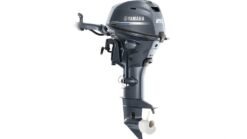
This Yamaha 40 HP jet outboard is for sale new in the crate. A 747 cc three cylinder Yamaha four stroke with fuel injection, fitted with a jet pump so there is no prop under the boat. It is built for shallow rivers, rocky runs and weedy creeks.
We hold more than one batch, so this motor also appears as the Yamaha Jet Drive 40 HP for sale. Same motor, so buy whichever shows in stock. We ship worldwide.

Below you will find the full specs, what this version is good at, the boats it suits, rigging, care and the questions people ask us most. It is a long page because buyers ask a lot before they spend this kind of money. Read what you need.
Yamaha 40 HP jet outboard: Specifications
| Item | Detail |
|---|---|
| Model | Yamaha 40 HP Jet Drive four stroke |
| Horsepower | 40 HP |
| Engine | 3 cylinder in-line, SOHC |
| Displacement | 747 cc |
| Fuel system | Electronic Fuel Injection |
| Full throttle range | 5,000 to 6,000 rpm |
| Shaft length | For 20 inch transoms (jet) |
| Steering | Tiller or remote, depending on setup |
| Starting | Electric |
| Trim and tilt | Power trim and tilt or assisted tilt, depending on version |
| Alternator | 16 amp |
| Weight | About 219 to 227 lb (99 to 103 kg) |
| Power at the pump | About 30 HP at 5,500 rpm |
| Steering angle | 40 degrees each way |
| Induction | Long track intake, single throttle valve |
| Drive | Jet pump, no propeller |
| Fuel | Regular unleaded, 87 octane minimum (US rating) |
| Oil | Yamalube 4M or equivalent per the manual |
| Fuel filtration | 10 micron fuel and water separating filter recommended |
| Warranty | Yamaha factory warranty, terms depend on your region |
Figures can change slightly between production years, so treat the crate paperwork as final. Yamaha keeps the current numbers for this range on its official outboard page.
Why People Choose the Yamaha 40 HP jet outboard
Most buyers come to us after losing one prop too many. A jet does away with that problem. The pump sits up inside the housing, the intake grate is flush with the bottom of the boat, and rocks and logs that would have bent a prop just slide under. You still need to read the water, but the margin for error is much bigger.
What to Expect on the Water
A jet feels different from a prop motor. Hole shot is softer, and at very low speed steering is lighter because there is no rudder effect from a gearcase. Once on plane it is quick to respond and turns tight. Reverse is strong enough for docking but gentler than a prop. Most people adapt within a day. Yamaha rates this model at about 30 HP at the pump.
Boats That Suit the Yamaha 40 HP jet outboard
River fishing boats
Light aluminium boats chasing fish up shallow rivers.
Hunting boats
Jon boats crossing marsh and shallow flats.
Small rescue and survey boats
Crews that need to reach shallow areas safely.
Cabin and camp boats
Boats used to reach remote cabins up rivers where the water drops in summer.
How the Yamaha 40 HP jet outboard Runs
The three cylinder layout is smoother than you might expect. Idle is smooth enough that you can hold a normal conversation at the helm. Shifts go in with a soft clunk rather than a bang. When you push the throttle, power comes in evenly instead of in a rush, and the boat gets onto plane without the bow climbing for ages.
At cruise the motor settles into a steady hum. There is not much vibration through the hull or the steering, which you notice at the end of a long day. Power trim and tilt lets you set the running angle from the helm: trim in to get up, trim out a little once you are running, and lift the motor when you come into shallow water or onto the trailer.
Who Buys the Yamaha 40 HP jet outboard
The people who order this motor from us are mostly practical owners. Families with a mid-size boat they use every weekend. Fishermen who run offshore a few miles and need a motor they trust to bring them home. Small charter operators, fish farm crews, marine park staff and water taxi drivers who put serious hours on a motor every year. A lot of them are replacing an old two stroke and want something quieter, cleaner and easier on fuel.
What they tell us after a season is simple. It starts, it runs, it does not drink much and it does not need much attention. That is what you want from the Yamaha 40 HP jet outboard.
Rigging the Yamaha 40 HP jet outboard
This motor is set up for remote control unless stated otherwise in the listing. You need a control box with throttle and shift cables, a steering system, a key switch and wiring harness, a gauge or two if you want them, a battery and a fuel system with a water separating filter. If you are repowering, you may be able to reuse some of what is already on the boat. Check cables and steering carefully though. Worn cables make a new motor feel bad.
Mount the motor on the centreline. Run the boat, then adjust. Jet height is more critical than prop height. The front edge of the intake grate should sit level with, or just below, the bottom of the hull. Too high and the pump sucks air and cavitates. Too low and it creates drag and spray. Bolt it through the transom and use a marine sealant on the holes.
Pick a battery with enough cranking amps for a 40 HP four stroke and whatever electronics you run. The 16 amp charging output keeps a fish finder, a radio and nav lights going on a normal day.
Breaking In the Yamaha 40 HP jet outboard
Follow the break-in in the owner’s manual. In general, keep the revs low and varied for the first hour or so, then gradually raise them. Avoid long runs at full throttle in the early hours. Change the engine oil and filter at the first service interval. You can read the manual ahead of time on Yamaha’s owner’s manual site.
Maintenance on the Yamaha 40 HP jet outboard
Nothing on this motor is hard to look after. Most owners do the basics and leave the bigger jobs to a mechanic.
- Flush with fresh water after every trip in salt, brackish or muddy water.
- Change engine oil and filter at the hours in the manual, or yearly.
- Change the gear oil every season. Milky oil means water is getting in.
- Check anodes and replace them when they are half gone.
- Grease the jet pump bearing after use, as the manual describes.
- Replace the water pump impeller every couple of seasons, sooner in sandy water.
- Change the fuel filter and keep fuel fresh with a stabiliser if the boat sits.
- Check plugs, belt and the tilt and trim fluid at the service intervals.
Treat it like that and a Yamaha four stroke will run for many thousands of hours. We see plenty of them on work boats that have been going for well over a decade.
Living With the Yamaha 40 HP jet outboard Day to Day
Owning this motor is mostly uneventful, and that is the point. You turn the key and it starts. You run your day. At the end you flush it, tilt it up and go home. Every so often you change the oil and the gear oil, and every season or two the impeller. There is no carburettor to gum up when the boat sits for a few weeks, which matters a lot if you only get out on weekends.
Fuel injection also means the motor behaves the same on a cold morning as on a hot afternoon. No choke, no hunting idle, no fouled plugs from trolling all morning. You stop thinking about the motor and start thinking about where you are going.
Fuel Use and Running Costs
A 747 cc three cylinder with EFI is efficient at the speeds people actually run. On a sensible hull at a steady cruise it uses much less fuel than an old two stroke of the same power. We are not going to throw made-up figures at you, because hull, load, pump setup and how hard you push all change the result. What we can tell you is that owners who move from an older carbureted motor notice it at the fuel dock in the first few weeks.
Servicing is simple and parts are easy to find in most countries because Yamaha sells so many of these motors. Filters, impellers, anodes and plugs are all standard stock items. That keeps long term ownership costs low.
Repowering an Older Boat
Swapping an old motor for a new one is usually a day’s work if the transom is sound. With the old motor off, check the transom core around the bolt holes. Soft or wet wood needs fixing before you hang anything new. Check the steering and control cables too. If they are stiff or frayed, replace them now. A new motor on old cables never feels right.
On the first run, check the tell-tale stream, listen for anything odd and watch how the boat sits. Adjust trim and mounting height until it runs level and the pump holds in turns. After that, you will not need to touch it again.
Getting the Most From Power Trim
If your version has power trim, use it properly. It is one of those features people underuse. When you leave the dock, trim fully in so the bow stays down and the boat climbs onto plane quickly. Once you are up and running, tap the trim out a little at a time. You will feel the steering lighten and hear the revs rise slightly as the hull frees up. Stop when the bow starts to bounce or the pump starts to suck air, then come back a touch. In rough water, trim in a bit to keep the bow down into the waves. In shallow water, trim up to keep the gearcase clear of the bottom, but watch the tell-tale so the water intake stays under. Get this right and the Yamaha 40 HP jet outboard will be faster, drier and easier on fuel.
Gauges and Electronics
You can run this motor with a simple tachometer, or go further with Yamaha’s Command Link gauges, which show revs, trim, fuel flow, hours and warnings on one display. Many owners also wire in a fish finder or chartplotter. Keep the motor’s wiring separate from accessory wiring where you can, use proper marine connectors and fuse everything. A clean install saves you chasing electrical gremlins later. If you are not sure what fits the Yamaha 40 HP jet outboard, ask us before you order.
Safety Gear Worth Carrying
Clip the kill switch lanyard on every time. Carry a spare lanyard, a basic tool kit, a spare shear key and grease gun, spare plugs, a paddle and a way to call for help. None of it costs much and any of it can save a day on the water.
Warranty Notes
The motor ships with Yamaha factory warranty paperwork. Terms depend on your region and on how the motor is registered and used. Keep receipts and service records, use the correct oil and fuel and follow the service schedule. That protects you if you ever need to claim, and helps resale later. Ask us about warranty for the Yamaha 40 HP jet outboard in your country before you order.
Common Problems With the Yamaha 40 HP jet outboard
Will not crank. Check the kill switch lanyard is clipped in, the control is in neutral, and the battery and terminals are clean and tight.
Cranks but will not fire. Squeeze the primer bulb until firm, make sure the tank vent is open and the fuel is fresh. Check the water separator bowl for water.
Weak tell-tale stream. Clear the tell-tale hole with a bit of wire first. If it is still weak, have the impeller checked before you run it hard.
Revs high but the boat feels slow. Usually a worn impeller or a blocked intake grate. Clear the grate first, then check the impeller clearance.
Alarm sounds. Slow down straight away and check the cooling stream and oil. Do not keep running with an alarm.
Looking After the Jet Pump on the Yamaha 40 HP jet outboard
n
There is no propeller to choose. Instead, the jet pump has an impeller inside a liner, and the gap between them decides how well it pushes. Sand and gravel slowly wear the leading edges and open up that gap. When that happens, the motor revs but the boat feels soft. The fix is simple: move the shims to close the gap, and sharpen or replace the impeller when it gets too worn. Check it every few months if you run shallow gravel rivers. Grease the pump bearing as the manual says, usually after every trip. Clear weed and sticks from the intake grate before they block flow. Yamaha has more on the jet range on its jet drive page.
n
Salt Water Care for the Yamaha 40 HP jet outboard
Flush after every salt trip. Rinse the outside and wipe salt off the cowl. Spray corrosion inhibitor on the powerhead under the cowl now and then. Keep the anodes fresh. If the boat lives in the water, tilt the motor up when you leave so the lower unit is not soaking all week. Yamaha’s paint and alloys hold up well, but salt finds any gap if you ignore it.
Hot and Cold Climates
In hot places, check the cooling stream often and keep the water passages clean. Warm, muddy water is hard on impellers. In cold places, fuel injection makes starting easy, but you must drain or winterise the motor properly before a hard freeze. Use the oil grade the manual gives for your temperatures.
Storage Between Trips
After the last run of the day, flush the motor and let it drain in the down position. Then tilt it up if the boat stays in the water. Disconnect the battery or use a trickle charger if it will sit for weeks. For long storage, stabilise the fuel and run it through the system, change the engine oil, grease the steering and tilt points and put a cover on. Next season the Yamaha 40 HP jet outboard will start on the first turn of the key.
What Comes With the Yamaha 40 HP jet outboard
- Yamaha 40 HP jet drive powerhead, midsection and jet pump
- Owner’s manual and warranty paperwork
- Standard Yamaha fittings that ship from the factory
Controls, cables, gauges, battery and fuel tank depend on the stock we hold and are not always included. Ask us before you order and we will tell you exactly what ships with your motor.
Before You Order the Yamaha 40 HP jet outboard
- Measure your transom height to confirm the shaft length is right.
- Check the boat’s rated maximum horsepower and motor weight.
- Decide what controls, steering and gauges you need.
- Make sure your battery and fuel system suit a 40 HP motor.
- Tell us your country so we can quote shipping to your door.
If any of that is unclear, message us. Ten minutes of questions now saves a lot of trouble once the crate has landed.
Buying the Yamaha 40 HP jet outboard From Us
Every motor we sell is new. The price is listed on this page. Before we ship, we give you a delivery quote for your country so you know the full cost. We ship worldwide and include the export and customs paperwork your side will ask for.
When you order, we confirm stock, the exact model code and the shaft length with you. The crate is strapped, protected and sent, and you get tracking once it is moving. Our refund and return policy and terms and conditions are on the site. You can read what other buyers say on our reviews page, learn more about us, or go straight to the contact page with your questions.
Other Motors to Compare
- All 40 HP Yamaha outboards
- Yamaha Jet Drive 40 HP for sale
- Yamaha F60JB jet drive
- Yamaha F40LEHA tiller
- All Yamaha outboards
- The full shop
Our blog has more on rigging and caring for outboards if you like to read up first.
FAQ: Yamaha 40 HP jet outboard
Is the Yamaha 40 HP jet outboard new?
Yes. New, in the factory crate, with Yamaha paperwork.
What shaft length is the Yamaha 40 HP jet outboard?
For 20 inch transoms (jet).
Does the Yamaha 40 HP jet outboard have power trim and tilt?
Yes.
How heavy is the Yamaha 40 HP jet outboard?
About 219 to 227 lb, or 99 to 103 kg.
Is the Yamaha 40 HP jet outboard fuel injected?
Yes, it uses Yamaha electronic fuel injection.
Is the Yamaha 40 HP jet outboard the same as your Jet Drive 40 HP listing?
Yes, same motor.
Does the Yamaha 40 HP jet outboard need a special hull?
Jets work best on flat or shallow V hulls set up for a jet, with clean water flow to the intake.
Do you ship the Yamaha 40 HP jet outboard to my country?
We ship worldwide. Ask us for a quote.
Final Word
The Yamaha 40 HP jet outboard takes you where prop motors cannot go. Light, fuel injected and built by Yamaha. Order now, or message us with your boat details first.


Reviews
There are no reviews yet.