
 Cart is empty
Description
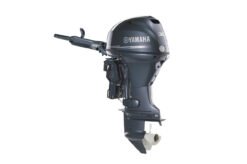
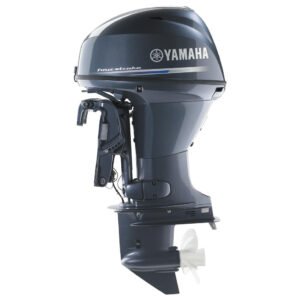
We have the Yamaha F20LWPHB for sale, new in its crate and ready to ship worldwide. This is the fully featured tiller version of Yamaha’s 20 horsepower four-stroke: a 432 cc twin with battery-less fuel injection on a 20 inch long shaft, with electric start, a pull cord backup and power tilt. A 16 amp alternator charges your battery as you run, and the motor weighs about 146 pounds.
Power tilt is the reason to choose this model. A 20 HP outboard is a heavy thing to lift by hand, and on boats that beach, run shallow water, trailer often or sail, the motor goes up and down many times a day. With the Yamaha F20LWPHB for sale, every one of those lifts is a press of a switch. Add key start, a pull backup and fuel injection, and you have the easiest Yamaha 20 to live with. Here is the full picture.

Yamaha F20LWPHB Specifications
| Model | Yamaha F20LWPHB |
|---|---|
| Horsepower | 20 HP |
| Engine | 2 cylinder four-stroke, SOHC |
| Displacement | 432 cc |
| Bore x stroke | 65 x 65.1 mm |
| Full throttle range | 5,000 to 6,000 rpm |
| Fuel induction | Battery-less electronic fuel injection |
| Starting | Electric with manual backup |
| Alternator | 16 amp |
| Gears | Forward, neutral, reverse |
| Steering | Tiller, 45 degrees each side |
| Trim range | -3 to +16 degrees |
| Tilt | Power tilt |
| Shaft | 20 inch (L) |
| Weight | About 146 lb (66 kg) |
| Fuel supply | Separate portable tank |
| Propeller | Included |
| Condition | New, crated |
Yamaha lists the F20 range on its 25, 20 and 15 HP portables page. The Yamaha F20LWPHB for sale is the 20 inch tiller model with power tilt.
The Model Code
F is four-stroke. 20 is horsepower. L is the 20 inch long shaft. W is electric start with a manual backup. P is power tilt. H is the tiller handle. B is the generation. Without power tilt, the same motor is the Yamaha F20LWHB. The short shaft equivalents are the Yamaha F20SWHB and Yamaha F20SMHB.
What Power Tilt Changes
At around 146 pounds, lifting a 20 HP outboard by hand means leaning over the stern, releasing the lock and heaving the motor up while the boat moves under you. It is hard work, and in a chop it can be awkward or unsafe. With the Yamaha F20LWPHB for sale, you press a switch and the motor rises smoothly to the tilt position or lowers back into the water. You can also stop it partway to run slowly through shallow water.
That matters in lots of everyday situations. Approaching a beach, you lift the motor without leaving the tiller. On a shallow river, you raise it partway to clear a gravel bar. At the ramp, you raise and lower it in seconds. At the mooring, you lift it clear of the water so weed and barnacles do not grow on it. On a sailboat, you lift it out of the water under sail. Each of those is a chore with manual tilt and effortless with power tilt.
Why Fuel Injection
Yamaha’s battery-less fuel injection gives easy starts without a choke, a steady idle, clean running and crisp throttle response. Because it powers itself from the engine’s own generator, the Yamaha F20LWPHB for sale starts and runs on the pull cord even with a flat battery. And with no carburettor to gum up, it starts reliably after months in storage.
Electric Start With a Backup
Day to day, you turn a key. If the battery ever runs down, the pull cord starts the motor and the EFI runs it normally. Note that power tilt does need battery power, so keep the battery charged; if it is flat, you can still tilt the motor manually using the manual release valve described in the owner’s manual.
Boats That Suit the Yamaha F20LWPHB for Sale
River and shallow water boats
On aluminium boats and jon boats that run rivers, creeks and shallow bays, the ability to lift the motor instantly is invaluable. You can raise it partway to slip over shallows, lift it fully to avoid a log, and lower it again the moment you are back in deeper water, all without leaving the tiller.
Boats that beach often
If you regularly run up onto beaches, sandbars or riverbanks, power tilt saves effort every single time and protects the lower unit from grounding.
Trailer boats
If you launch and retrieve often, raising and lowering the motor with a switch speeds up every ramp visit.
Sailboats
On mid-sized sailboats with a 20 inch bracket, power tilt lifts the motor clear of the water under sail without anyone leaning over the stern. Key start from the cockpit makes coming and going easy.
Larger tenders and RIBs
On tenders with a 20 inch transom, power tilt makes beach landings and overnight mooring simple.
How It Runs
Turn the key in neutral and the Yamaha F20LWPHB for sale starts straight away, without a choke. The 432 cc twin idles smoothly and quietly. Open the throttle and the response is crisp and immediate. Shift at idle; reverse is strong. The tiller has adjustable steering friction, and the tilt switch is in easy reach so you can raise or lower the motor while driving. Yamaha’s optional Variable Trolling RPM Switch can be added for fine trolling speed control.
Battery and Electrical
Electric start and power tilt on the Yamaha F20LWPHB for sale both use a 12 volt marine battery. Mount it in a proper box, secured, with the right cables and a fuse. Keep the terminals clean and tight. The 16 amp alternator keeps the battery charged while you run and can support a fish finder, GPS and lights. Fit a battery switch and turn electronics off during long drifts with the engine off, so there is always enough power to start and tilt. Over winter, take the battery home and keep it charged.
Fuel
The Yamaha F20LWPHB for sale runs from a separate portable tank with a primer bulb hose. Open the vent, squeeze the bulb until firm and start. Use fresh unleaded with no more than 10 percent ethanol, keep the fuel filter in good condition and add stabiliser if the boat will sit.
Fitting the Motor
Check your boat’s capacity plate for horsepower and engine weight, and make sure the transom is solid. At about 146 pounds, use a hoist or two strong people. Mount the motor in the centre of the transom with the anti-cavitation plate at or just below the bottom of the hull, tighten the clamps and through-bolt for a permanent installation. Fit a safety line. Set the trim angle so the leg is vertical when running. Mount and connect the battery, connect the fuel, check the oil, start in neutral and confirm the cooling water stream. Then run the tilt through its full range and make sure nothing on the transom gets in the way.
Break-In
For the first hours, run at varied low and medium throttle, adding short bursts higher later, avoid long full-throttle runs and check the oil before each trip. Change the oil at the end of the break-in. The procedure is in the owner’s manual, available on Yamaha’s owner’s manual page.
Maintenance
After salt water use, flush with fresh water and rinse the outside. Each season, change the engine oil and gear oil, check the plugs, grease the swivel and tilt points, check the prop and anode, replace the fuel filter as recommended, check the power tilt fluid and look for leaks, and clean and protect the battery, wiring and tilt switch connections. Every few seasons, replace the water pump impeller. Before winter, stabilise the fuel, change the oil, flush, store the motor and keep the battery charged.
Troubleshooting
If the Yamaha F20LWPHB for sale will not crank, check that it is in neutral, the battery is charged and the fuse and connections are good; if the battery is flat, use the pull cord. If the tilt will not move, check the battery and the tilt switch wiring, or use the manual release. If it cranks but will not start, check the fuel vent, hose, primer bulb, fuel freshness and kill switch clip. If it runs rough, check the fuel filter. If the cooling stream is weak, clear the tell-tale outlet and check the intake and impeller.
A Day on a River
You launch the aluminium boat, press the tilt switch to lower the Yamaha F20LWPHB for sale and turn the key. It fires straight away. You run upriver on the plane, slowing where the water thins and raising the motor partway to slide over a gravel bar, watching the cooling stream as you go. Back in deep water, you lower it fully and carry on. At a sandy bank, you lift the motor as you nose in, step ashore and set up for lunch. On the way back, you lower and start the motor, run down to the ramp and press the switch once more to raise it for the trailer. All day, you never lifted it by hand.
A Day on a Sailboat
On a 25 foot sailboat, you press the tilt switch to lower the motor and turn the key in the cockpit. You back out of the berth using reverse, steering with the rudder. In the channel, the 20 pushes steadily against the tide. Outside, you raise sail, shut the engine down and press the switch to lift the motor clear of the water. Hours later, coming home into a freshening breeze, you lower it and start it before dropping the sails. No leaning over the stern at any point.
Is Power Tilt Worth It?
Power tilt adds cost and about 12 pounds compared with the F20LWHB. If you mostly run on deep lakes, keep the motor down all day and tilt it only at the end, manual tilt is fine. If you beach often, run shallow water, trailer regularly, moor where weed grows fast or sail, power tilt earns its keep many times over. The Yamaha F20LWPHB for sale is for owners in that second group, and for anyone who simply does not want to lift a heavy motor by hand.
Shallow Water Running
To run through shallows with the Yamaha F20LWPHB for sale, raise the motor partway with the switch until the lower unit clears the bottom, keep the throttle low and watch the cooling stream. If the stream weakens, the intake is too close to the surface or picking up sand, so lower the motor slightly or stop. Never run at speed with the motor tilted up.
Running Electronics
The 16 amp alternator on the Yamaha F20LWPHB for sale can support a fish finder, GPS, lights and a small pump. Fuse every accessory, run wires neatly, fit a battery switch and consider a second battery for heavy loads, so the starting and tilt circuit always has power.
Common Mistakes
Check the oil in the Yamaha F20LWPHB for sale before the first start. Use plain unleaded only. Shift only at idle. Keep the battery charged, because both starting and tilting rely on it. Keep the fuel and fuel filter clean. Flush after salt water. Fit a safety line. Never run at speed with the motor partly tilted.
Choosing a Propeller
The standard prop suits most boats. If yours is heavy or always loaded, a lower pitch helps the engine reach its 5,000 to 6,000 rpm full throttle range. Yamaha’s online prop selector is a good starting point.
Hot and Cold Climates
EFI starts reliably in heat and cold. In hot places, keep fuel fresh, use power tilt to lift the motor clear of the water when moored and check the battery often. In cold places, keep the battery fully charged, drain all water before frost and change the gear oil before winter.
Salt Water Care
Flush after every salt water trip, rinse the outside, check the anode and protect the powerhead, tilt unit and electrical connections with corrosion inhibitor and dielectric grease.
Lifting and Trailering
At about 146 pounds, use a hoist or two strong people. Once mounted, leave it on the boat. When trailering, raise it with the switch and support the leg with a transom saver.
What Comes in the Crate
The motor arrives assembled with the propeller fitted, the owner’s manual and factory paperwork. A battery is normally separate, and a fuel tank may or may not be included, so ask us. Check the oil tag and level before the first start.
Warranty Notes
Yamaha’s factory warranty terms vary by country and type of use. Ask your local Yamaha dealer what they honour, and keep your invoice and serial number safe.
A Season of Ownership
In spring, the battery comes back charged, the oil is checked, fresh fuel is connected and the motor is lowered with the switch. A turn of the key and the Yamaha F20LWPHB for sale is running. Through the summer, it goes up and down dozens of times: at ramps, beaches, shallow bars and moorings. After salt water trips, it gets a freshwater flush. In autumn, the oil and gear oil are changed, the fuel is stabilised, the tilt fluid is checked, the motor is flushed and stored, and the battery goes home on a charger. Every few seasons, the impeller and fuel filter are replaced.
Teaching New Drivers
Key start and power tilt make the Yamaha F20LWPHB for sale one of the easiest outboards to teach. Set simple rules: start in neutral with the kill cord on, check the cooling stream, idle down before shifting, look behind before reversing and raise the motor before the shallows. Show everyone the pull cord in case the battery is ever flat.
Getting Better Fuel Economy
Trim the boat to run level, keep the hull and prop clean, cruise a little below full throttle and match the prop to your load. Those habits help the Yamaha F20LWPHB for sale go further on every tank.
Before You Order
Measure your transom from the top to the bottom of the hull, check the capacity plate and make sure the transom can take a motor of about 146 pounds. Decide where the battery will sit. If the transom is around 20 inches and the boat is rated for 20 HP or more, the Yamaha F20LWPHB for sale is a strong match. Send us a photo of your transom and plate if you would like us to confirm.
Choosing a Sailboat Bracket
If the Yamaha F20LWPHB for sale is going on a sailboat, pick a bracket rated well above its weight and power. Power tilt lifts the motor on its own pivot, but the bracket still needs enough vertical travel to put the prop deep when motoring. Through-bolt the bracket with a backing plate and check that the motor can tilt and steer without hitting the rudder, backstay or boarding ladder. With the right bracket, the Yamaha F20LWPHB for sale is about as easy as a sailboat auxiliary gets.
Who We Are
We are an online dealer of new outboard motors shipping worldwide. The Yamaha F20LWPHB for sale is a regular stock item, and every question is answered by someone who knows outboards. If you want help choosing a battery, tank or bracket to go with the motor, just ask.
Running Costs
The Yamaha F20LWPHB for sale is economical. EFI keeps fuel use modest at cruise and low when trolling. Oil changes are small and wear parts are inexpensive. The battery and occasional tilt fluid top-up are the only extras.
Why Yamaha
Yamaha’s dealers and parts reach almost every country with boats. The F20 platform is modern, light and proven, and Yamaha outboards hold their value. That is why we stock the Yamaha F20LWPHB for sale.
20 HP Versions Compared
| Model | Shaft | Start | Tilt |
|---|---|---|---|
| F20SMHB | 15 in | Manual | Manual |
| F20SWHB | 15 in | Electric + pull | Manual |
| F20LWHB | 20 in | Electric + pull | Manual |
| F20LWPHB | 20 in | Electric + pull | Power |
For more power with power trim and tilt, see the Yamaha F25LWTHC. Browse the full Yamaha outboard range.
Ordering
Add the Yamaha F20LWPHB for sale to your cart and check out, or contact us first. We confirm stock and delivery, pack the motor with extra protection and send tracking once it ships worldwide. International buyers pay their own import duty and taxes; we provide the paperwork customs needs. See our refund and return policy, terms and conditions, reviews, about us page and blog.
FAQ: Yamaha F20LWPHB for Sale
Is the Yamaha F20LWPHB for sale new?
Yes, new and crated.
Does the Yamaha F20LWPHB have power tilt?
Yes.
Is the Yamaha F20LWPHB for sale electric start?
Yes, with a manual pull backup.
Is the Yamaha F20LWPHB for sale fuel injected?
Yes, battery-less EFI.
What shaft length is the Yamaha F20LWPHB for sale?
20 inches.
How heavy is the Yamaha F20LWPHB for sale?
About 146 pounds.
Is the prop included?
Yes.
Is the Yamaha F20LWPHB for sale good in salt water?
Yes, with a freshwater flush and clean electrical connections.
Final Word
Power tilt is one of those features you stop noticing after a week, until you go back to a boat without it.
If you want a Yamaha 20 that starts with a key, tilts with a switch and runs on modern fuel injection, the Yamaha F20LWPHB for sale is the most convenient version for a 20 inch transom. Add it to your cart, or ask us anything first. Everything else is in the shop.


Reviews
There are no reviews yet.