
 Cart is empty
Description
We have the Yamaha F20LWHB for sale, new in its crate and ready to ship to you anywhere in the world. It is Yamaha’s 20 horsepower four-stroke on a 20 inch long shaft, with tiller steering, electric start and a manual pull cord as backup. The 432 cc twin uses battery-less electronic fuel injection, and a 16 amp alternator charges your battery as you run. It weighs about 134 pounds.
The long shaft 20 is one of the most versatile motors in Yamaha’s portable range. It suits aluminium fishing boats and skiffs with a 20 inch transom, mid-sized sailboats that need a confident auxiliary, work boats and larger tenders. Electric start makes it easy for anyone to use, the pull cord means a flat battery never strands you, and fuel injection gives easy starts and smooth running in any weather. Here is everything you need to know about the Yamaha F20LWHB for sale before you order.
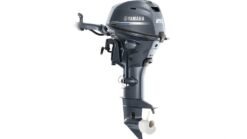
Yamaha F20LWHB Specifications
| Model | Yamaha F20LWHB |
|---|---|
| Horsepower | 20 HP |
| Engine | 2 cylinder four-stroke, SOHC |
| Displacement | 432 cc |
| Bore x stroke | 65 x 65.1 mm |
| Full throttle range | 5,000 to 6,000 rpm |
| Fuel induction | Battery-less electronic fuel injection |
| Starting | Electric with manual backup |
| Alternator | 16 amp |
| Gears | Forward, neutral, reverse |
| Steering | Tiller, 45 degrees each side |
| Trim range | -3 to +16 degrees |
| Tilt | Manual |
| Shaft | 20 inch (L) |
| Weight | About 134 lb (61 kg) |
| Fuel supply | Separate portable tank |
| Propeller | Included |
| Condition | New, crated |
Yamaha lists the F20 range on its 25, 20 and 15 HP portables page. The Yamaha F20LWHB for sale is the long shaft tiller model with electric start and a pull backup.
The Model Code
F is four-stroke. 20 is horsepower. L is the 20 inch long shaft. W is electric start with manual backup. H is the tiller handle. B is the generation. The short shaft version is the Yamaha F20SWHB, and the long shaft model with power tilt is the Yamaha F20LWPHB.
Why the Long Shaft
A short shaft motor on a 20 inch transom leaves the prop too close to the surface, so it draws air in turns and waves, the engine races and the boat loses grip. The Yamaha F20LWHB for sale puts the prop where a 20 inch transom needs it. Measure from the top of your transom, where the clamps sit, down to the bottom of the hull. Around 20 inches means long shaft. On sailboat brackets, lower the bracket and check the prop will stay deep even when the stern lifts.
Why Fuel Injection Matters
Carburettors work, but they are sensitive to stale fuel, cold weather and altitude, and they need a choke routine to start. Fuel injection measures fuel electronically, so the motor starts easily without a choke, idles steadily, runs cleanly and responds crisply to the throttle. Yamaha’s battery-less system powers the injection from the engine’s own generator, so the Yamaha F20LWHB for sale runs perfectly even if the battery is flat and you start it with the pull cord.
For owners who keep boats for years, there is another benefit: no carburettor to gum up over winter. That removes the most common cause of hard starting after storage.
Electric Start With a Backup
Day to day, you turn a key. If the battery ever lets you down, you pull the cord and the motor starts and runs normally. That combination is exactly what you want on a sailboat auxiliary or any boat you rely on to get home. The 16 amp alternator also keeps the battery charged for a fish finder, GPS or navigation lights.
Boats That Suit It
Aluminium fishing boats
On 14 to 16 foot aluminium boats rated for 20 HP or more, the Yamaha F20LWHB for sale gives quick runs, smooth trolling and instant key restarts. The alternator runs your electronics.
Sailboats
On mid-sized sailboats, a long shaft 20 is a confident auxiliary that pushes into wind and chop with power to spare. Key start from the cockpit is a real convenience, and the pull backup adds peace of mind.
Work boats and utility skiffs
On boats shared by several people, key start makes the motor easy for everyone, and EFI keeps it starting reliably.
Larger tenders and RIBs
Rigid tenders and RIBs with 20 inch transoms suit the long shaft and benefit from the extra power when carrying a full crew.
How It Runs
Turn the key with the motor in neutral and the Yamaha F20LWHB for sale starts straight away, without a choke. The 432 cc twin settles into a smooth idle. Open the throttle and the response is clean and immediate. Shift at idle; reverse is strong for docking and backing off a beach. The tiller has adjustable steering friction so the motor holds a straight course. Yamaha’s optional Variable Trolling RPM Switch can be added to fine-tune trolling speed in small steps, which anglers appreciate.
Battery and Electrical
The Yamaha F20LWHB for sale needs a 12 volt marine starting battery in a proper box, secured so it cannot slide, with the right cables and a fuse. Keep terminals clean and tight. If you run electronics, fit a battery switch and turn electronics off during long drifts with the engine off. Over winter, take the battery home and keep it charged.
Fuel
The Yamaha F20LWHB for sale runs from a separate portable tank with a primer bulb hose. Open the vent, squeeze the bulb until firm and start. Use fresh unleaded with no more than 10 percent ethanol, keep the fuel filter in good condition and use stabiliser if the boat will sit. On a sailboat, keep the tank in a ventilated locker or strapped in the cockpit, away from the companionway, and close the vent before the boat heels.
Fitting the Motor
Check your boat’s capacity plate for horsepower and weight. At about 134 pounds, the motor needs two people or a hoist. Mount it in the centre of the transom with the anti-cavitation plate at or just below the bottom of the hull, tighten the clamps and through-bolt for a permanent installation. Fit a safety line. Set the trim rod so the leg is vertical when running. Mount and connect the battery, connect the fuel, check the oil, start in neutral and confirm the cooling water stream.
On a sailboat, choose a bracket rated well above 134 pounds and 20 HP, through-bolted with a backing plate, with travel to get the prop deep when motoring and clear of the water when sailing. A spring-assisted bracket makes lifting a motor of this weight far easier.
Break-In
For the first hours, run the Yamaha F20LWHB for sale at varied low and medium throttle, add short bursts higher later, avoid long full-throttle runs and check the oil before each trip. Change the oil at the end of the break-in. The procedure is in the owner’s manual, available on Yamaha’s owner’s manual page.
Maintenance
After salt water use, flush with fresh water and rinse the outside. Each season, change the engine oil and gear oil, check the plugs, grease the clamp screws, swivel and tilt points, check the prop and anode, replace the fuel filter as recommended, and clean and tighten battery and wiring connections. Every few seasons, replace the water pump impeller. Before winter, stabilise the fuel, change the oil, flush, store the motor upright and keep the battery charged.
Troubleshooting
If the Yamaha F20LWHB for sale will not crank, check that it is in neutral, the battery is charged and the fuse and connections are good. If the battery is flat, use the pull cord. If it cranks but will not start, check the fuel vent, hose, primer bulb, fuel freshness and kill switch clip. If it starts then dies, open the tank vent. If it runs rough, check the fuel filter. If the cooling stream is weak, clear the tell-tale outlet and check the intake and impeller.
A Day on an Aluminium Boat
You launch at dawn, connect the tank and turn the key. The Yamaha F20LWHB for sale starts instantly. You run up the lake on the plane, the 20 inch leg keeping the prop biting through the chop off the point. At the weed bed, you drop to trolling speed and the EFI holds a smooth idle while the sounder runs off the battery. You drift, restart with the key, run back up and drift again. By the afternoon, the boat has covered miles on very little fuel, and the motor never missed a beat.
A Day on a Sailboat
On a 24 foot sailboat, you lower the motor on its bracket and turn the key from the cockpit. You back out of the berth using reverse and steer with the rudder. In the channel, the 20 pushes the boat steadily against the tide. Outside, you hoist sail, shut down, close the vent and lift the motor clear. Coming home into a freshening breeze, you lower it, start it with the key and motor in comfortably, with power in reserve.
15, 20 or 25 on a Long Shaft?
The long shaft Yamaha 15 is lighter and carburetted. The 20 and 25 share the 432 cc EFI platform. The Yamaha F20LWHB for sale gives you fuel injection and noticeably more power than a 15, at a lower price than a 25. If your boat is rated for 25 HP and you want maximum performance, look at the Yamaha F25LWHC. If you prefer something lighter and simpler, see the Yamaha F15LEHA.
Running Electronics
The 16 amp alternator on the Yamaha F20LWHB for sale is generous for a motor this size. It can keep a battery charged for a fish finder, GPS, navigation lights and a small livewell or bilge pump. Fuse every accessory lead, run wires neatly away from the bilge, fit a battery switch, and consider a second battery if you run big loads for long periods with the engine off.
A Season of Ownership
In spring, the battery comes back charged, the oil is checked, fresh fuel is connected and the key is turned. With fuel injection, the Yamaha F20LWHB for sale normally starts straight away even after months in storage. Through the summer, it runs to fishing grounds, pushes a sailboat home, carries crew ashore and powers the electronics. After salt water trips, it gets a freshwater flush. In autumn, the oil and gear oil are changed, the fuel is stabilised, the fuel filter is checked, the motor is flushed and stored, and the battery goes home on a charger. Every few seasons, the impeller is replaced.
Teaching New Drivers
Key start makes the Yamaha F20LWHB for sale an easy motor to teach. Set simple rules: start in neutral with the kill cord on, check for the cooling stream, idle down before shifting, look behind before reversing and tilt up before the shallows. Show everyone where the pull cord is in case the battery is ever flat.
Common Mistakes
Check the oil in the Yamaha F20LWHB for sale before the first start. Use plain unleaded only. Shift only at idle. Keep the fuel and fuel filter clean. Flush after salt water. Fit a safety line. Keep the battery charged. On sailboats, close the tank vent before heeling and lift the motor clear of the water under sail.
Choosing a Propeller
The standard prop suits most boats. If yours is heavy or always loaded, a lower pitch helps the engine reach its 5,000 to 6,000 rpm full throttle range and improves acceleration. Yamaha’s online prop selector is a good starting point, and we can help.
Hot and Cold Climates
EFI starts reliably in heat and cold. In hot places, keep fuel fresh, tilt the motor out of the water when moored and check the battery often. In cold places, keep the battery charged, drain all water before frost and change the gear oil before winter.
Salt Water Care
Flush after every salt water trip, rinse the outside, check the anode each season and protect the powerhead and electrical connections with a corrosion inhibitor now and then.
Lifting and Trailering
At about 134 pounds, use two people or a hoist, keeping the leg down. When trailering with the motor on, support the leg with a transom saver.
What Comes in the Crate
The motor arrives assembled with the propeller fitted, the owner’s manual and factory paperwork. A battery is normally separate, and a fuel tank may or may not be included, so ask us. Check the oil tag and level before the first start.
Warranty Notes
Yamaha’s factory warranty terms vary by country and type of use. Ask your local Yamaha dealer what they honour, and keep your invoice and serial number safe.
Choosing a Sailboat Bracket for a 20
If the Yamaha F20LWHB for sale is going on a sailboat, the bracket deserves as much thought as the motor. A 20 HP outboard is heavy, so choose a bracket rated well above its weight and power, ideally spring-assisted so raising and lowering it is not a struggle. Look for plenty of vertical travel and firm locking positions at the top and bottom. Through-bolt it with a backing plate inside the transom. Before drilling, check that the motor will tilt and steer without hitting the rudder, backstay, boarding ladder or pushpit. With a good bracket, the Yamaha F20LWHB for sale becomes an easy motor to live with on a sailboat.
Using It on a Work Boat
On a shared work boat, the Yamaha F20LWHB for sale has a lot going for it. Key start means anyone can run it, the pull backup means a forgotten battery charger never stops work, and fuel injection keeps it starting reliably day after day. Keep a laminated card in the boat with the basic rules, check the oil daily, and service it by hours rather than by the calendar. With that discipline, the Yamaha F20LWHB for sale will work hard for many seasons.
Before You Order
Measure your transom from the top to the bottom of the hull, check your boat’s capacity plate and decide where the battery will sit. If the transom is about 20 inches and the boat is rated for 20 HP or more, the Yamaha F20LWHB for sale is a good match. Send us a photo of the transom and capacity plate if you would like us to confirm before you order.
Getting Better Fuel Economy
Fuel injection already meters fuel precisely, but how you run the boat matters too. Trim it to run level with weight spread sensibly, keep the hull and propeller clean, cruise a little below full throttle rather than flat out, and match the prop pitch to your usual load. On a sailboat, motor at a moderate speed close to the hull’s natural cruising pace rather than pushing it hard; the last knot costs a lot of fuel. Those small habits add up over a season and keep the engine running smoothly for longer.
Who We Are
We are an online dealer of new outboard motors and we ship worldwide. Popular Yamaha models are kept in regular stock, and every question is answered by someone who knows outboards. If you would like help choosing between the long shaft 15, 20 and 25, or picking a battery, fuel tank and bracket to go with your motor, send us a message and we will give you a straight answer.
Running Costs
The Yamaha F20LWHB for sale is economical. EFI meters fuel precisely, so consumption at cruise is modest and very low when trolling. Oil changes are small and wear parts are inexpensive and widely available.
Why Yamaha
Yamaha’s dealers and parts reach almost every country with boats. The F20 platform is modern, light and proven, and Yamaha outboards hold their value well. That is why we keep the Yamaha F20LWHB for sale in stock.
20 HP Versions Compared
| Model | Shaft | Start | Tilt |
|---|---|---|---|
| F20SMHB | 15 in | Manual | Manual |
| F20SWHB | 15 in | Electric + pull | Manual |
| F20LWHB | 20 in | Electric + pull | Manual |
| F20LWPHB | 20 in | Electric + pull | Power |
Browse the full Yamaha outboard range or the 25 HP Yamaha section.
Ordering
Add the Yamaha F20LWHB for sale to your cart and check out, or contact us first. We confirm stock and delivery, pack the motor with extra protection and send tracking once it ships worldwide. International buyers pay their own import duty and taxes; we provide the paperwork customs needs. See our refund and return policy, terms and conditions, reviews, about us page and blog.
FAQ: Yamaha F20LWHB for Sale
Is the Yamaha F20LWHB for sale new?
Yes, new and crated.
What shaft length is the Yamaha F20LWHB?
20 inches.
Is the Yamaha F20LWHB for sale electric start?
Yes, with a manual pull backup.
Will it start with a flat battery?
Yes, with the pull cord. The EFI does not need the battery.
Is the Yamaha F20LWHB for sale fuel injected?
Yes, battery-less EFI.
Does the Yamaha F20LWHB for sale have power tilt?
No. The F20LWPHB has power tilt.
Is the prop included?
Yes.
Is the Yamaha F20LWHB for sale good in salt water?
Yes, with a freshwater flush after use.
Final Word
For a 20 inch transom, the Yamaha F20LWHB for sale gives you modern fuel injection, key start with a pull backup and the confident power of a 20, backed by Yamaha’s worldwide support. Measure your transom, check your boat’s rating and add it to your cart, or ask us anything first. Everything else is in the shop.

Reviews
There are no reviews yet.