
 Cart is empty
Description
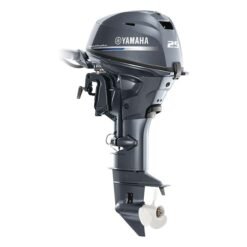
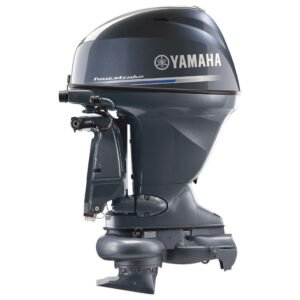
We have a new Yamaha 30 HP jet drive for sale, ready to ship worldwide in its factory crate. This is Yamaha’s small jet outboard, built on the 747 cc three-cylinder F40 powerhead and rated at 30 HP at the pump. It has no propeller and no gearcase hanging under the boat. Instead, a jet pump pulls water in through an intake grate and pushes it out the back. That lets small river boats run in water so shallow that a prop motor would be bouncing off the bottom.
If you fish, hunt or travel on shallow, rocky rivers, creeks or marshes, this is the kind of motor that opens up water you could never reach before. Below are the specs, an honest explanation of what a jet can and cannot do, and how to buy one from us. For a delivered price now, send us a message.

Yamaha Jet Drive 30 HP Specifications
| Model | Yamaha Jet Drive 30 HP (F40 jet powerhead) |
|---|---|
| Power at the pump | 30 HP |
| Powerhead | 40 HP, 3-cylinder inline four-stroke, SOHC |
| Displacement | 747 cc |
| Bore x stroke | 65 x 75 mm |
| Fuel system | Electronic fuel injection |
| Intake | Long-track induction with single throttle valve |
| Drive | Jet pump, no propeller |
| Dry weight | About 219 lb |
| Starting | Electric |
| Controls | Mechanical remote or tiller setups available |
| Condition | New, factory crated |
Every Yamaha 30 HP jet drive for sale on our site is new. Tell us whether you want it set up for remote or tiller steering and your transom height, and we will confirm the right version for your boat.
Why It Is Called a 30 When the Engine Is a 40
This confuses a lot of first-time jet buyers, so let me clear it up. The engine on top is Yamaha’s 40 HP three-cylinder. But a jet pump is less efficient than a propeller. Some of the engine’s power is lost in moving water through the pump. Yamaha rates the result at 30 HP at the pump. So in terms of push, think of it as roughly equal to a 30 HP prop motor.
Why give up that power? Because the jet lets you go where a prop cannot. On a shallow, rocky river, a 30 HP prop motor would be breaking props and chewing up its gearcase every trip. The jet glides over the top. For anyone who runs that kind of water, it is an easy trade.
How a Jet Works
At the bottom of the motor, instead of a gearcase and prop, there is a jet pump. A flat grate covers the intake, which sits roughly level with the bottom of the hull. Inside, an impeller spins and draws water up through the grate, then pushes it out through a nozzle at the back. That stream of water drives the boat forward.
For reverse, a gate drops over the nozzle and turns the stream forward. Steering works like any outboard: the whole motor turns, and the jet stream points the boat where you want to go.
Because nothing hangs far below the hull, a jet boat on plane can cross water just a few inches deep. That is the whole appeal of a Yamaha 30 HP jet drive for sale like this one.
Who Needs a Small Jet
- River anglers who fish shallow trout and smallmouth rivers
- Duck and goose hunters who run marshes, sloughs and flooded timber
- Landowners who need to reach river frontage or islands
- Guides and outfitters with small, light river boats
- Anyone tired of replacing props and gearcases after every trip
If you mostly run lakes or deep rivers, a prop motor is more efficient and faster. A jet only makes sense when shallow water is a regular part of your boating.
Boats That Suit It
A 30 HP jet suits small, light aluminium boats: jon boats, flat-bottom river boats and small shallow-V hulls, typically 14 to 16 feet, with one or two people and gear. Flat or nearly flat bottoms at the stern work best, because water flows cleanly into the intake. Hulls with a jet tunnel are even better, as they let you mount the motor higher and run shallower still.
Deep-V hulls are not a great match. The V shape tends to deflect water away from the intake. If you are buying a hull to go with the motor, choose one built or recommended for jet use.
Weight matters a lot on a small jet boat. With only 30 HP at the pump, a heavily loaded boat struggles to get on plane, and a jet boat that is not on plane does not run shallow. Keep the load sensible.
The Powerhead
The engine is the same proven 747 cc three-cylinder Yamaha uses in its F40 midrange motor. Single overhead cam, electronic fuel injection, a long-track intake and a single throttle valve. Yamaha describes the setup as compact, light-weight power with improved throttle response. Three cylinders run smoother than a twin, and fuel injection gives easy starts, a steady idle and good economy.
Easy starting matters more than usual on a jet. You are often far up a river, in a remote spot, on a cold morning. A motor that fires on the first try is worth a lot there.
Mounting the Jet
Mounting height is the single most important part of setting up a jet. With a prop motor, height affects speed. With a jet, it decides whether the boat works.
Mount it too high and the pump sucks air. The engine revs, the boat does not go, and you hear a rattling from the pump. That is cavitation. Mount it too low and the intake drags, slows the boat and picks up more gravel.
The usual starting point is to have the leading edge of the intake grate level with the bottom of the hull, or very slightly below. On a tunnel hull, follow the boat builder’s guidance. Then test with a normal load and adjust in small steps. If you buy the Yamaha 30 HP jet drive for sale here, tell us your hull type and we can point you to the right setup.
Running Shallow
Running a jet takes a little practice. Here are the basics.
- Get on plane in deeper water first. A jet boat sits lower at rest and needs depth to get going.
- Keep your speed up over shallow riffles and bars. If you slow down, the boat settles and the intake can hit bottom or suck up gravel.
- Read the water. Darker water is usually deeper. A smooth V pointing downstream often marks the channel.
- Turn gently in very shallow water so the intake stays submerged.
- Avoid running slowly over sand and fine gravel, which wears the pump.
- Watch the tell-tale and your gauges. Shallow, warm water and weed can starve the cooling intake.
With practice, the Yamaha 30 HP jet drive for sale here will carry you up stretches of river you used to wade.
Jet Maintenance
A jet needs a few extra jobs on top of normal outboard care.
Grease the jet bearing. The pump’s drive shaft bearing needs regular greasing. Many owners do it after every trip. It takes a minute and keeps water out of the bearing.
Check impeller clearance. Over time, sand and gravel wear the impeller’s edges and the liner around it. The gap between them grows and thrust drops. Yamaha’s design uses shims to move the impeller closer to the liner. Check it regularly and adjust when needed. The manual explains how.
Clear the intake grate. Sticks, weed and leaves block water flow. Check after each run through debris.
Look at the impeller edges. Chipped or rounded edges cost thrust. Lightly rounded edges can sometimes be dressed. Badly worn impellers need replacing.
Do these alongside the usual flushing, oil changes and water pump service, and the Yamaha 30 HP jet drive for sale will keep its push for many seasons.
Jet vs Prop: The Honest Trade-Offs
Thrust. Less push than a prop motor with the same engine. This one gives 30 HP at the pump from a 40 HP powerhead.
Fuel. A jet uses more fuel for the same speed.
Low-speed steering. Jets steer by pointing a stream of water. At idle, there is less steering. You need a little throttle to turn.
Reverse. Works through a gate and is gentler than a prop motor’s reverse.
Wear. Sand wears the impeller and liner over time.
Access. The big win. A jet goes where a prop cannot.
If shallow water is part of your everyday boating, the access outweighs everything else. If not, buy a prop motor. We are happy to help you decide before you order the Yamaha 30 HP jet drive for sale.
Remote or Tiller
Small jets are popular in both setups. A tiller is simple, light and gives you a direct feel for the boat, which helps when you are reading water and picking a line. It leaves the boat open for gear. Remote steering lets you sit or stand at a console with a wheel, which some owners find easier when running long stretches. Tell us which you want when you ask for a quote. Yamaha also offers a Multi-Function Tiller Handle with a variable trolling switch for its midrange motors.
Rigging and Install
For a tiller setup, you need a battery, a fuel line with a primer bulb and a water-separating filter, and solid mounting hardware. For remote, add a Yamaha control box, cables, a harness, a key switch, steering and a gauge if you want one. Have a dealer or mechanic with jet experience do the install. Warranty terms depend on your country, so ask your local dealer once the motor is registered.
Break-in
Ten hours of careful running. Start at low speeds, vary the rpm, and avoid long runs at full throttle until the time is up. The manual has the stages. After the break-in, change the engine oil and filter, and grease the jet bearing.
A Morning on a Shallow River
Picture this. You slide a 15 foot flat-bottom aluminium boat off the trailer at a gravel bar. The river is clear, fast and knee deep. You start the Yamaha 30 HP jet drive for sale you bought last spring. It fires straight away and idles quietly. You point upstream, find a deeper pool to get going, and open the throttle. The boat lifts onto plane.
Ahead, the river spreads across a gravel riffle a few inches deep. With a prop motor, you would have to stop, tilt up and drag the boat. With the jet, you keep your speed up, pick the slightly darker line, and skim across. You hear gravel hiss under the hull, and then you are through. A mile further up, you reach a long run that hardly anyone fishes, because hardly anyone can get there.
At the end of the day you run back down carefully, flush the motor at the ramp and give the jet bearing a shot of grease. That is what a Yamaha 30 HP jet drive for sale like this one is for.
Duck Hunting and Marsh Work
Hunters love small jets. Marshes, flooded timber and shallow backwaters are tough on props. Mud, stumps and weed will stop a prop motor dead. A jet handles that water much better. A few tips: run slowly in the dark with a good spotlight, clear weed from the intake grate often, grease the jet bearing after every trip because mud and cold water are hard on it, and carry a push pole for the last stretch to the blind. The Yamaha 30 HP jet drive for sale is quiet at low speed, which helps when you do not want to flare birds.
Sand, Silt and Pump Wear
Fine sand is the biggest enemy of a jet pump. It acts like sandpaper on the impeller and liner. You will notice the boat takes longer to get on plane and top speed drops. You cannot avoid sand entirely on most rivers, but you can limit it. Do not idle over sandy bottoms. Do not start or stop in very shallow sandy water. Keep the impeller clearance adjusted. The cooling water pump suffers too, so change its impeller more often if you run gritty water.
Look after the pump this way and the Yamaha 30 HP jet drive for sale here will hold its thrust much longer.
Spares to Carry
Jet boats often run far from towns and dealers. Carry grease and a grease gun, an impeller shim kit, a spare fuel filter element, spark plugs, fuses and a basic tool kit. At home, keep oil and a filter ready for the next service. We can add any of these to your Yamaha 30 HP jet drive for sale order so they ship together.
Safety on Rivers
- Wear a life jacket. River current is stronger than it looks.
- Wear the kill switch lanyard.
- Tell someone where you are going and when you will be back.
- Carry a paddle, a throw rope and a way to call for help.
- Slow down in unfamiliar water. Logs and rocks move after floods.
Common Questions Before Buying a Small Jet
Will it be fast enough? On a light 14 or 16 foot jon boat with one or two people, a Yamaha 30 HP jet drive for sale like this one gets on plane and runs at a comfortable speed. It is not a race motor. It is a tool for reaching shallow water.
Will it push upstream? In moderate current, yes. In very strong current with a heavy load, you may want more power. Look at our 40 HP jet if that sounds like your river.
Is it hard to learn? No, but it takes a few trips. Practise low-speed steering and stopping in open water before you take on a tricky river. Most owners of a Yamaha 30 HP jet drive for sale from us feel confident within a weekend or two.
How long does the pump last? It depends on how much sand and gravel you run through it. With regular impeller adjustment and sensible driving, a pump lasts a long time. When parts wear, they can be replaced.
Can I convert my prop motor instead? Some aftermarket kits exist, but a factory jet has the pump matched to the engine from day one and comes with proper paperwork. For most river owners, a purpose-built Yamaha 30 HP jet drive for sale is the simpler choice.
Matching the Load to the Motor
With 30 HP at the pump, keeping the boat light is the key to running shallow. A boat that gets on plane easily rides high and clears more bottom. Leave unnecessary gear at home. Carry the fuel you need, not a full spare tank. Spread weight evenly and keep heavy items near the middle of the boat. If you often run with three people and lots of gear, the Yamaha Jet Drive 40HP may suit you better. For one or two people in a light boat, the Yamaha 30 HP jet drive for sale here is a great match.
Not sure? Send us the boat’s length, weight and what you usually carry, and we will tell you honestly whether the Yamaha 30 HP jet drive for sale is the right size or whether you should step up.
How to Order
- Send us a message through the contact page.
- Tell us you want the Yamaha 30 HP jet drive for sale, remote or tiller, your transom height and where you are.
- Add any spares you want.
- We send a delivered price.
- You confirm and pay.
- We ship with FedEx, UPS or USPS and send tracking.
Read our refund and return policy and terms and conditions before you order.
Shipping Worldwide
We ship to buyers in North and South America, Europe, Africa, the Middle East, Asia and Australia. The motor travels in its factory crate with tracking. At around 219 pounds it is easy to ship. Import duties depend on your country, so check with your customs office before the Yamaha 30 HP jet drive for sale arrives. Inspect the crate on delivery and photograph any damage before signing.
Who Buys Small Jets From Us
River anglers, duck hunters, landowners with river frontage, small outfitters and guides. Outfitters often buy several at once so the whole fleet runs the same motor. If you need more than one Yamaha 30 HP jet drive for sale, tell us the number and we will quote them together. You can read what other buyers say on our reviews page and more about us here.
Other Jets and Motors
- Yamaha Jet Drive 40HP, for bigger loads
- Yamaha F40JEHA, the 40 jet with a tiller
- Yamaha F90JB jet, for larger river boats
- Yamaha F30LA, if you need a prop motor
Browse the 30 HP Yamaha range, all Yamaha outboards, the shop and our blog. Yamaha’s official site has more about its jet range.
Frequently Asked Questions
Is this Yamaha 30 HP jet drive for sale new?
Yes, new and in the factory crate.
Why is it called a 30 if the engine is a 40?
Because jet pumps lose some power. The 40 HP powerhead gives about 30 HP at the pump.
Does it have a propeller?
No. The Yamaha 30 HP jet drive for sale here uses a jet pump.
Is it available as a tiller?
Yes. Tell us whether you want the Yamaha 30 HP jet drive for sale set up for tiller or remote steering.
What boats does it suit?
Small flat-bottom or shallow-V aluminium boats, ideally with a jet tunnel.
Do you ship worldwide?
Yes, with FedEx, UPS and USPS.
Get Your Price
If shallow, rocky water is where you want to go, the Yamaha 30 HP jet drive for sale here will get you there. Send us your country, your boat and whether you want tiller or remote, and we will reply with a delivered price.
Ready to order the Yamaha 30 HP jet drive for sale? Add it to your cart above, or send us your location for a delivered quote. We ship worldwide with FedEx, UPS and USPS, crated and tracked, and we are always happy to help with rigging questions before and after the motor arrives at your door.


Reviews
There are no reviews yet.