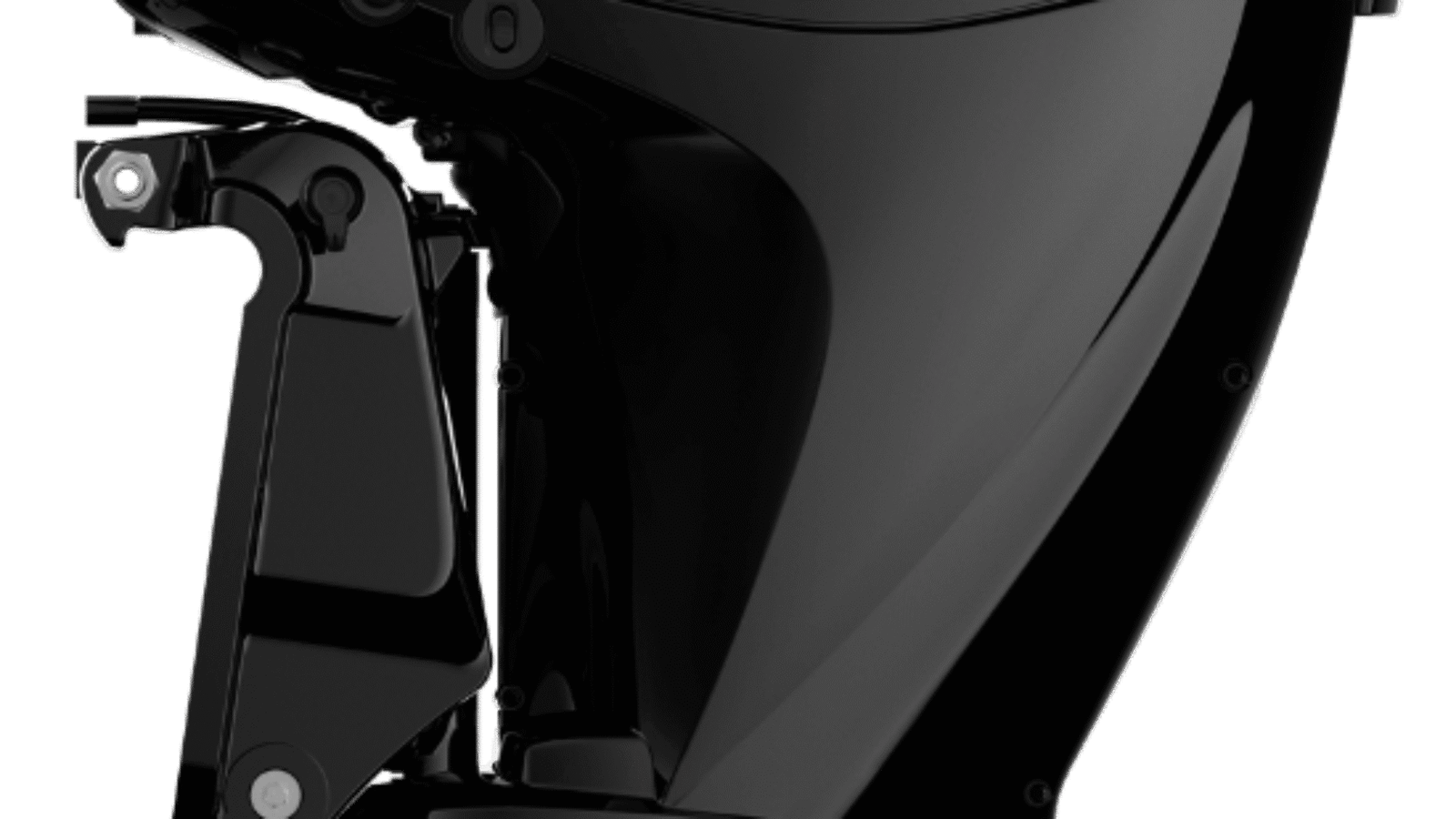
outboard motor for bay boat

Outboard Motor for Bay Boat: 12 Best Proven Picks From $6,390

Picking the right outboard motor for bay boat use is a bit different from picking one for a lake boat. A bay boat has to run shallow flats, cross open bays when the wind’s up, carry a cooler full of bait and three anglers, and live in salt water. The motor has a lot to do. Get it right and the boat pops up on plane in skinny water and runs dry and flat across the chop. Get it wrong and you’ll be fighting it every trip.

We sell outboards from Yamaha, Suzuki, Honda and Mercury from our shop in Fresno, California, and ship them worldwide with free shipping. Below are the 12 motors we’d put on a bay boat, from a Mercury 115 at $6,390 to a Honda BF250, with real prices, the specs that matter and how to size the motor to your hull.

outboard motor for bay boat
Outboard motor for bay boat

Best Outboard Motor for Bay Boat: Our 12 Picks

MotorHPEngineShaftOur price
Mercury 115ELPT1152.1 L inline 420 inch$6,390
Mercury 115EXLPT1152.1 L inline 425 inch$6,520
Mercury 200XL Pro XS2003.4 L V625 inch$8,199
Suzuki DF150ATL21502.9 L inline 420 inch$8,538
Suzuki DF150ATX21502.9 L inline 425 inch$8,580
Yamaha F175XA1752.8 L inline 425 inch$8,977
Yamaha VF175XA V MAX SHO1752.8 L inline 425 inch$9,008
Honda BF150A2XA1502.4 L inline 425 inch$9,303
Mercury 250XL Pro XS2504.6 L V825 inch$9,924
Yamaha F200XB2002.8 L inline 425 inch$9,974
Suzuki DF200ATX22002.9 L inline 425 inch$9,992
Honda BF250DXRA2503.6 L V625 inch$13,851

Those are the 12 motors we recommend most often as an outboard motor for bay boat owners. Every price is our real price, with free shipping. Specs can change slightly by model year, and the full spec sheet is on each product page.

What Makes a Good Outboard Motor for Bay Boat Use?

A bay boat sits between a flats skiff and a center console. It’s usually 18 to 26 feet, with a shallow draft hull, a big front casting deck and enough freeboard to cross a choppy bay. That mix asks a lot of the motor. Here’s what we look for:

  • Strong hole shot. You need to get on plane fast in shallow water without digging a hole in the bottom or blowing out the prop.
  • Good weight for the hull. Too heavy and the stern squats, the boat drafts deeper and it won’t plane in skinny water.
  • Salt water protection. Bay boats live in salt and brackish water. Good anodes, coatings and a freshwater flush port matter.
  • The right shaft. Most bay boats take a 25 inch shaft, often on a jack plate.
  • Enough charging. Trolling motors, livewell pumps, electronics and power poles all pull on the batteries.

Every outboard motor for bay boat use on our list ticks those boxes, which is why we’re happy to recommend them.

Bay Boat vs Flats Boat vs Center Console

People sometimes shop for an outboard motor for bay boat use the same way they would for a flats skiff or a center console. The boats overlap, but the motor needs are different.

A flats skiff is light and built to float in inches of water. It usually wants a lighter motor, often 70 to 150 HP, and weight is everything. A center console is built for open water and often wants big power, twin motors and long range. A bay boat sits in the middle. It needs enough power to cross rough water with a load, but it still has to be light enough at the stern to run and plane shallow.

That’s why the inline fours and the lighter V6 and V8 motors on our list work so well. If you have a skiff, see our outboard motor for skiff guide. For bigger offshore boats, see center console outboard motor for sale.

How Much HP Does a Bay Boat Need?

Always start with the capacity plate on your boat. It tells you the maximum horsepower the hull is rated for. Never go over it. Within that limit, here’s what we see working well:

Bay boat lengthTypical HP rangeOur usual pick
18 to 20 ft90 to 150 HPMercury 115 or Suzuki DF150
21 to 22 ft150 to 200 HPYamaha F175, Suzuki DF200 or Mercury 200 Pro XS
23 to 24 ft200 to 250 HPYamaha F200, Mercury 250 Pro XS or Honda BF250
25 to 26 ft250 to 300 HPMercury 250 Pro XS, Honda BF250 or a 300

As a rule, we’d rather see a bay boat at or near its rated maximum than well under it. An underpowered bay boat struggles to plane with a full load, runs the motor at high rpm all day and often uses more fuel, not less. If you’re not sure where your boat sits, read our guide on what size outboard for my boat, or send us the boat’s make, model and length and we’ll suggest an outboard motor for bay boat use that fits.

Shaft Length and Jack Plates

Most bay boats need a 25 inch shaft. That’s what the X or XL in a model code means: Yamaha F200XB, Suzuki DF200ATX2, Honda BF250DXRA, Mercury 250XL. Some smaller 18 and 19 foot bay boats use a 20 inch shaft, which is why we list the Mercury 115ELPT and Suzuki DF150ATL2 too.

Many bay boats run a hydraulic jack plate. It moves the motor up and down so you can lift it in shallow water and drop it for a better hole shot. If your boat has one, a motor with a good water pickup low on the gearcase helps it keep cooling water when it’s raised. Ask us about your setup.

To check your transom height, our outboard shaft length guide has a simple chart.

Our Top Picks in Detail

Best budget outboard motor for bay boat: Mercury 115 FourStroke

For an 18 to 20 foot bay boat, the Mercury 115 is hard to beat. It uses a big 2.1 liter block with only two valves per cylinder, so it makes good torque low down for the hole shot. At about 360 lb it’s one of the lightest four stroke 115s, which keeps the stern up in shallow water. We have the 115ELPT 20 inch at $6,390 and the 115EXLPT 25 inch at $6,520. More options on the Mercury 115 HP page.

Best 150 HP: Suzuki DF150

The DF150 uses a 2.9 liter inline four, one of the biggest blocks in its class, and Suzuki’s offset driveshaft design. It’s a strong, simple outboard motor for bay boat hulls around 19 to 21 feet. The DF150ATL2 is $8,538 and the 25 inch DF150ATX2 is $8,580. Our Suzuki DF150 price guide lists every version, and our best 150 HP outboard roundup compares it with the others.

Smoothest 150: Honda BF150

The Honda BF150 runs a 2.4 liter inline four with Honda’s VTEC. It’s very smooth and quiet, and Honda’s reputation for long life is well earned. The BF150A2XA 25 inch is $9,303. See the full Honda 150 HP range.

Best 175 HP: Yamaha F175 and V MAX SHO 175

The Yamaha F175 shares its 2.8 liter inline four with the F200, so it’s a light, strong motor for a 21 or 22 foot bay boat. The F175XA is $8,977. If you want more snap, the VF175XA V MAX SHO at $9,008 is tuned for performance and is a favorite on fast bay boats. Read more on our Yamaha V MAX SHO for sale page.

Best 200 HP for weight: Yamaha F200XB

The F200 inline four is noticeably lighter than a V6 200, which is a big deal on a bay boat. Less weight at the transom means better shallow water performance. The F200XB is $9,974. Yamaha has more on its motors at yamahaoutboards.com.

Best 200 HP for performance: Mercury 200 Pro XS

The Pro XS 200 uses a 3.4 liter V6 tuned for hole shot and top speed. Bay boat owners who like to run hard love it. The 200XL Pro XS is $8,199, which makes it one of the best value 200s we sell. See our Mercury Pro XS outboard for sale page.

Strong 200 alternative: Suzuki DF200A

The DF200A uses the same 2.9 liter four as the DF150 and DF175, tuned for more power. It’s simple, fuel efficient and a little cheaper than many V6 200s. The DF200ATX2 is $9,992, and the DF200APX2 with Suzuki’s Precision Control is $10,666. More in our Suzuki DF200 price guide.

Best 250 HP: Mercury 250 Pro XS and Honda BF250

For a 23 to 26 foot bay boat, you want 250 HP. The Mercury 250XL Pro XS at $9,924 is a 4.6 liter V8 with huge low end torque, and it’s the best value 250 we stock. The Honda BF250DXRA at $13,851 is a 3.6 liter V6 that’s smooth, quiet and very reliable. See all Mercury 250 HP and Honda 250 HP motors, plus our Honda BF250 price guide.

Three Common Bay Boat Setups

To make the sizing easier, here are three setups we see all the time when people ask us for an outboard motor for bay boat use.

A 19 foot bay boat for two anglers

Rated around 150 HP, used mostly in sheltered bays and creeks. We’d fit a Suzuki DF150 or, on a tight budget, the Mercury 115EXLPT. Both keep the stern light, which helps this size of boat run shallow. Expect a comfortable cruise and plenty of power for two people and gear.

A 22 foot bay boat for families and fishing

Usually rated 200 to 250 HP. It carries three or four people and needs to cross open water. Our pick is the Yamaha F200XB for its light weight, or the Mercury 200XL Pro XS if you want a stronger hole shot for the money. This is the most common outboard motor for bay boat order we get.

A 25 foot bay boat that runs offshore on calm days

Usually rated 250 to 300 HP. It’s heavier and runs further from shore. We’d go with the Mercury 250XL Pro XS for value, or the Honda BF250DXRA for a smooth, quiet ride. At this size, don’t go smaller than about 250 HP or the boat will feel sluggish with a full load.

If your boat doesn’t fit any of these, send us the make, model and year and we’ll match an outboard motor for bay boat use to it for you, free.

Inline Four or V6 on a Bay Boat?

This is one of the biggest choices when picking an outboard motor for bay boat use at 150 to 200 HP. Inline fours like the Yamaha F175 and F200, Suzuki DF150 to DF200 and Honda BF150 are lighter and usually cheaper and simpler. V6 and V8 motors like the Mercury Pro XS make more torque, feel stronger out of the hole and are often faster on top.

On a lighter bay boat that spends a lot of time in shallow water, we usually lean to an inline four because of the weight. On a heavier boat that often runs loaded, or if speed matters most to you, a V6 or V8 makes more sense.

Fuel Economy on a Bay Boat

Fuel is one of the biggest running costs, so it’s worth thinking about when choosing an outboard motor for bay boat use. Modern four strokes are all much better on fuel than the old two strokes they replaced. The biggest gains come from running the boat at a good cruise speed with the motor trimmed right, not from the brand.

A few things we’ve learned from customers:

  • A motor sized right for the boat is usually more efficient than an undersized one working flat out.
  • Inline fours tend to be very thrifty at cruise.
  • Keeping the hull clean makes a real difference on fuel.
  • The right prop pitch matters. A boat that can’t reach its rpm range burns more fuel.

Charging, Electronics and Trolling Motors

Bay boats tend to run a lot of electrics: a bow mounted trolling motor, livewell pumps, two or three screens, lights and sometimes shallow water anchors. All of that pulls on the batteries. When you pick an outboard motor for bay boat use, check the alternator output on the spec sheet. Bigger motors generally charge better, and some have more output than others in the same size. If you run a big trolling motor, a separate charger for those batteries is still a good idea.

Props for Bay Boats

The right prop makes as much difference as the right outboard motor for bay boat performance. Bay boats often run four blade stainless props. A four blade gives a stronger hole shot, holds better when the motor is raised on a jack plate, and helps keep the bow up in shallow water. A three blade is usually a little faster on top. Your boat’s builder often has a recommended prop to start with.

The goal is to hit the top of the motor’s full throttle rpm range with a normal load. Our guide on how to choose an outboard propeller walks you through it.

Salt Water Care for a Bay Boat Outboard

Any outboard motor for bay boat use will spend most of its life in salt or brackish water, so a little care goes a long way:

  • Flush with fresh water after every trip using the flush port.
  • Rinse the outside of the motor and the bracket.
  • Check and replace anodes before they’re half gone.
  • Trim the motor down when stored so water drains out.
  • Grease the steering and tilt points regularly.
  • Change the gearcase oil every season and look for water in it.

Our saltwater outboard motor for sale page goes deeper on which motors handle salt best.

Mistakes to Avoid

  • Going over the capacity plate. Unsafe, and it can cause insurance problems.
  • Going too small. An underpowered bay boat is slow, thirsty and frustrating in shallow water.
  • The wrong shaft. A 20 inch motor on a 25 inch transom will blow out in turns.
  • Too much weight. A heavy motor on a light bay boat makes the stern squat and kills shallow water performance.
  • Skipping the freshwater flush. Salt is the biggest killer of bay boat outboards.

Avoid those and almost any outboard motor for bay boat use on our list will serve you well.

Our Picks by Budget

  • Under $7,000: Mercury 115ELPT or 115EXLPT, for 18 to 20 foot bay boats.
  • $8,000 to $9,000: Mercury 200XL Pro XS, Suzuki DF150, Yamaha F175XA. This is the value sweet spot.
  • $9,000 to $10,000: Yamaha F200XB, Suzuki DF200ATX2, Mercury 250XL Pro XS, Yamaha VF175XA SHO.
  • Over $10,000: Honda BF250DXRA, or one of our Yamaha 200 HP and Suzuki 200 HP premium models.

Whatever your budget, an outboard motor for bay boat use from this list will give you a strong, proven motor that’s built for salt water.

Twin Motors on a Bay Boat?

Most bay boats run a single motor. A few of the biggest, around 26 feet and up, can take twins. If you go twin, you’ll need one standard and one counter rotating motor. Look at our counter rotating outboard for sale and twin outboard engines for sale pages.

Bay Boats We Sell

We also sell complete Pathfinder bay boats, rigged and ready. Pathfinder is one of the best known bay boat builders, and its boats are a good guide to how a bay boat should be set up. Right now we have the Pathfinder TRS 2200, Pathfinder Open 2400, Pathfinder Hybrid 2500 and Pathfinder TRS 2600. See them all on our Pathfinder bay boats page. You can find the builder’s own model details on pathfinderboats.com.

Repowering an Older Bay Boat

A lot of customers who ask us for an outboard motor for bay boat use are repowering. The hull is fine, but the old motor is tired. A few things to check first:

  • Is the transom solid? A soft or rotten transom needs fixing before you hang a new motor on it.
  • Will your controls work with the new motor? Older mechanical controls may not match a new motor, especially one with digital controls.
  • Will the new motor’s weight suit the boat? Going from an old two stroke to a heavier four stroke can change how the boat sits.
  • Does the bolt pattern and jack plate fit?

Our outboard repower for sale page explains the whole process. If you’re on a budget, a tested used motor can make sense too. See new vs used outboard motor.

How to Order an Outboard Motor for Bay Boat Use

  1. Check the max HP on your boat’s capacity plate.
  2. Measure your transom for shaft length.
  3. Pick a motor from the list at the top of this page.
  4. Order on the product page, or call or WhatsApp +1 209 690 5983.
  5. We confirm stock and the delivery to your country before anything is final. Shipping on outboards is free, as our free shipping page explains.

Outboard Motor for Bay Boat FAQ

What is the best outboard motor for bay boat use?

It depends on the boat’s size. For 18 to 20 feet, a Mercury 115 or Suzuki DF150. For 21 to 23 feet, a Yamaha F175 or F200 or a Mercury 200 Pro XS. For 24 feet and up, a Mercury 250 Pro XS or Honda BF250.

What shaft length do bay boats use?

Most use a 25 inch shaft. Some smaller ones use 20 inch. Measure your transom to be sure.

Is a four stroke good for a bay boat?

Yes. Every outboard motor for bay boat use on our list is a four stroke. They’re quiet, fuel efficient and handle salt water well.

Is Yamaha or Mercury better for a bay boat?

Both are excellent. Yamaha’s inline fours are light and proven. Mercury’s Pro XS motors are strong and good value. Our Yamaha vs Mercury outboard comparison goes into it.

How heavy should an outboard motor for bay boat use be?

As light as possible for the power you need. That’s why inline four motors are so popular. Check your boat builder’s advice too.

Can I use a 20 inch shaft on a bay boat?

Only if your transom measures about 20 inches. Most bay boats need 25 inches.

Do you ship bay boat outboards worldwide?

Yes, free. Tell us your country and we’ll confirm the timing.

Final Word on Choosing an Outboard Motor for Bay Boat Use

The best outboard motor for bay boat use is the one that matches your hull’s rating, sits at the right height and is light enough to keep the boat running shallow. For most people that means 115 to 250 HP on a 25 inch shaft. We have all 12 motors above in stock from $6,390, shipped free worldwide. Questions? Call or WhatsApp +1 209 690 5983, use our contact page, read our customer reviews or learn more about us.

Related: Center console outboard motor for sale | Outboard motor for skiff | Outboard motor for fishing boat

outboard motor for pontoon boat

Outboard Motor for Pontoon Boat: 11 Best Proven Picks From $1,531

Shopping for an outboard motor for pontoon boat use? We sell them every week, from high thrust 9.9s for small fishing pontoons at $1,531 to 200 HP motors for big tritoons. Every motor on this page is in our stock, it’s checked before it ships, and we deliver worldwide with free shipping.

We’re an outboard dealer in Fresno, California. Pontoon owners call us more than almost anyone, and most of them have the same problem. They bought a motor that would be great on a light fishing boat, hung it on a pontoon, and now the boat won’t get going with the family on board. A pontoon is heavy, it pushes a lot of water, and it needs a motor set up for that job. This guide explains what to look for, which motors we’d pick for each size of pontoon, the specs that matter and how to buy one from us.

outboard motor for pontoon boat

Our Picks for an Outboard Motor for Pontoon Boat Owners

Here’s the short list. These are the motors we’d put on our own pontoons, sorted from small to big. Each one links to its product page with the full listing.

MotorHPWhy it suits a pontoonOur price
Mercury 9.9EXLH-CT9.9Command Thrust, 25 in shaft, electric start$1,531
Yamaha T9.9XWHB9.9High thrust, 25 in shaft$1,980
Yamaha T25XWTC25High thrust, 25 in shaft, power tilt$5,763
Mercury 50ELPT Command Thrust50Big gearcase, power trim, remote$4,147
Yamaha T50LB50High thrust, remote$4,350
Yamaha T60LB60High thrust, remote$4,900
Honda BFP60A1XRT60Power Thrust, 25 in shaft$5,733
Yamaha F90XB9025 in shaft, light four cylinder$5,130
Suzuki DF115ATX211525 in shaft, strong gearing$6,646
Suzuki DF150ATX215025 in shaft, big tritoons$8,580
Suzuki DF200ATX220025 in shaft, performance tritoons$9,992

Prices move with stock, so check the product page for the current price of each outboard motor for pontoon boat use. Shipping is free on every motor, so the price you see is what you pay us.

Why a Pontoon Needs a Different Motor

A pontoon doesn’t behave like a V hull. It sits on two or three big round tubes, and those tubes push a wall of water in front of them. The boat is also heavy for its length, and it’s usually loaded with people, coolers and gear. That changes what you need from an outboard motor for pontoon boat use in three ways.

You need push, not top speed

Most pontoon owners cruise somewhere between 15 and 25 mph. What matters is how well the motor pulls the boat up and holds that speed with ten people on board. That comes from torque and gearing, not from a high rev limit.

You need a bigger prop

A bigger prop grips more water. To turn a bigger prop, the motor needs a lower gear ratio. That’s what high thrust, Command Thrust and Power Thrust models do. They’re built around a larger gearcase and a bigger prop, so they bite harder at low speed and in reverse.

You usually need a longer shaft

Pontoon transoms tend to sit higher than on other boats of the same length. A lot of pontoons need a 25 inch shaft. Hang a 20 inch motor on a 25 inch transom and the prop will suck air every time you turn.

High Thrust, Command Thrust and Power Thrust Explained

Every brand has its own name for the same idea. Here’s what each one means when you’re picking an outboard motor for pontoon boat use.

  • Yamaha High Thrust (the T models). A lower gear ratio and a large diameter prop. The T9.9, T25, T50 and T60 are all built this way. They’re popular on pontoons and sailboats.
  • Mercury Command Thrust (CT). A larger gearcase that swings a bigger prop. You’ll see CT in the model code on the 9.9s and in the name on the 40 to 60 HP motors.
  • Honda Power Thrust (the BFP models). Honda’s version, with a lower gear ratio and a bigger prop. The BFP60 is a favorite pontoon motor.

Do you have to buy one of these? Not always. On a big tritoon with 115 HP or more, a standard motor with the right prop works fine because it has the power to spare. But from 9.9 to 60 HP, a thrust model makes a real difference. If you’re unsure, we’ll tell you which way to go.

Outboard Motor for Pontoon Boat Sizing by Length

Start with the capacity plate on the boat. It tells you the maximum horsepower the hull is rated for, and that’s the ceiling. Most pontoon owners are happiest somewhere between 75 and 100 percent of that number. Here’s a rough guide we use.

PontoonUseTypical HPShaft
Up to 16 ft fishing pontoonCalm lakes, two or three people9.9 to 25 HP20 or 25 in
16 to 18 ft, two tubesCruising, light family use25 to 50 HP20 or 25 in
18 to 20 ft, two tubesFamily cruising, some tubing50 to 90 HP20 or 25 in
20 to 22 ft, two or three tubesTubing, bigger loads90 to 150 HP25 in
22 to 26 ft tritoonSkiing, wakeboarding, big groups150 to 250 HP25 in

These are typical ranges, not rules. Your capacity plate always wins. If you want more detail, our guide on what size outboard for my boat covers the method we use. The US Coast Guard boating site has good plain information on capacity plates too.

Outboard Motor for Pontoon Boat Use on Small Pontoons: 9.9 to 25 HP

Small fishing pontoons and lake cruisers on quiet water don’t need much. A high thrust 9.9 will push a light 14 to 16 foot pontoon at a comfortable speed and troll all day on a few litres of fuel. Plenty of lakes also cap horsepower under 10, so a 9.9 is often the biggest outboard motor for pontoon boat use you’re allowed to run.

MotorShaftStart / tiltOur price
Mercury 9.9MLH-CT20 inPull start$1,567
Mercury 9.9EXLH-CT25 inElectric start$1,531
Mercury 9.9ELH-CT20 inElectric start$1,721
Yamaha T9.9LWHB20 inElectric start$1,960
Yamaha T9.9XWHB25 inElectric start$1,980
Honda BFP15D3XRT25 inRemote, power tilt$2,582
Yamaha T25XWTC25 inElectric start, power tilt$5,763
Yamaha T25LWTC20 inElectric start, power tilt$6,325

The Mercury 9.9 Command Thrust models are the best value here. The Yamaha T9.9 has a very low gear ratio and pushes heavy hulls well. The Yamaha T25 is a big step up for a 16 to 18 foot pontoon, and it’s one of the few 25s built specifically as a high thrust motor. For more on 9.9s in general, see our page on the best 9.9 HP outboard.

Outboard Motor for Pontoon Boat Use on Mid-Size Pontoons: 40 to 60 HP

This is the most popular size range for an outboard motor for pontoon boat buyers. A 50 or 60 HP thrust motor on an 18 to 20 foot two-tube pontoon gives you easy cruising with a full load, and enough left over to pull a kid on a tube.

MotorHPSetupOur price
Mercury 50ELPT Command Thrust5020 in, remote, power trim$4,147
Yamaha T50LB5020 in, remote, high thrust$4,350
Mercury 50ELHPT Command Thrust5020 in, tiller, power trim$4,418
Yamaha T60LB6020 in, remote, high thrust$4,900
Honda BFP60A1LRT6020 in, remote, Power Thrust$5,578
Honda BFP60A1XRT6025 in, remote, Power Thrust$5,733
Mercury 40ELHPT Command Thrust SeaPro40Commercial duty, tiller$7,995

If you want the cheapest good motor here, the Mercury 50 Command Thrust is it. If you want the smoothest, look at the Yamaha T60 or the Honda BFP60. The Honda comes in a 25 inch shaft, which a lot of pontoons need. The Mercury SeaPro is built for commercial use, so it’s the pick for rental fleets and work pontoons that run all day, every day.

Outboard Motor for Pontoon Boat Use on Tritoons: 90 to 200 HP

Once you get past 20 feet, and especially on a tritoon with a third tube, you have enough hull to use a standard motor with more power. At this size, the right outboard motor for pontoon boat use is mostly about horsepower and a 25 inch shaft.

MotorHPShaftOur price
Yamaha F90XB9025 in$5,130
Suzuki DF90ATX29025 in$6,068
Honda BF90D5XRTA9025 in$6,657
Suzuki DF115ATX211525 in$6,646
Suzuki DF140ATX214025 in$7,562
Suzuki DF150ATX215025 in$8,580
Yamaha F175XA17525 in$8,977
Yamaha F200XB20025 in$9,974
Suzuki DF200ATX220025 in$9,992

The Yamaha F90XB at $5,130 is a great price for a 25 inch 90, and it’s plenty for a 20 foot two-tube cruiser. On a 22 to 24 foot tritoon that tows skiers, we’d look at the 140 to 175 range. The Suzuki DF140A is light and good on fuel, and we explain it fully on our Suzuki DF140A price page. For the biggest performance tritoons, the 200s are where you want to be. See our Suzuki 200 HP guide for more.

Specs That Matter on a Pontoon Motor

When you compare one outboard motor for pontoon boat use against another, these are the numbers worth looking at. Figures below are standard maker figures, rounded, and they vary a little by version.

MotorEngineGear ratioNotes
Yamaha T9.92 cyl, 212 cc2.92:1Large Dual Thrust prop
Mercury 9.9 Command Thrust2 cyl, 209 ccLower than standard 9.9Bigger gearcase and prop
Yamaha T50 / T604 cyl, 996 cc2.33:1High thrust gearcase, EFI
Honda BFP603 cyl, 998 cc2.33:1Power Thrust, EFI
Yamaha F904 cyl, 1,832 cc2.33:1Light for a 90, about 357 lb
Suzuki DF115A / DF140A4 cyl, 2,044 cc2.59:1Offset driveshaft, lean burn

Gear ratio: a bigger number means more reduction and more push from a bigger prop. That’s good on a pontoon.

Displacement: more displacement for the same horsepower usually means more torque at low revs, which helps a heavy boat.

Alternator output: pontoons often carry stereos, lights and fridges. Make sure the motor can keep the batteries topped up.

Weight: matters less on a pontoon than on a bass boat, but a very heavy motor on a small two-tube boat can drag the stern down.

Get the Shaft Length Right on Your Outboard Motor for Pontoon Boat

We’ve said it already, but it’s the most common mistake we see. Measure your pontoon from the top of the motor mount straight down to the bottom of the tubes or the bottom of the motor pod. About 20 inches means a long shaft (L). About 25 inches means an extra long shaft (X). Our outboard shaft length guide shows you how, with a chart, and the long shaft outboard for sale page lists more 20 and 25 inch motors.

The anti-ventilation plate on the motor should sit about level with the bottom of the tubes, or slightly below. Too high and the prop ventilates in turns. Too low and the gearcase drags and throws spray.

Props for an Outboard Motor for Pontoon Boat Use

Even the best outboard motor for pontoon boat use will feel weak with the wrong prop. A few rules from the shop:

  • Load the boat the way you normally run it before you test.
  • At full throttle, the motor should reach the top part of its rated rpm range. If it falls short, drop the pitch. If it goes over, add pitch.
  • Four blade props often suit pontoons. They grip better, especially in turns and when pulling a tube.
  • Thrust models come with a big prop already, which is a big part of why they work so well.

Tell us your pontoon, the motor and how it runs now, and we’ll suggest a starting point.

Tiller or Remote on a Pontoon?

Most pontoons have a helm console, so most owners buy a remote outboard motor for pontoon boat use with a steering wheel, cables and a control box. Small fishing pontoons sometimes run a tiller motor instead, which is cheaper and simpler. If your pontoon already has controls from the same brand, you may be able to keep them. If not, budget for a new control box and cables. Our tiller outboard for sale guide covers the tiller side.

What Pontoon Owners Tell Us

A family with a 20 foot two-tube pontoon called us after years with a standard 40. It cruised fine with two people, but with the kids and their friends on board it barely made 12 mph and wouldn’t pull a tube at all. We put them on a 60 HP high thrust motor with a 25 inch shaft. They told us later the boat finally does what they bought it for.

Another owner ran a 24 foot tritoon on a 90 and wanted to start wakeboarding. The plate allowed 200. He went with a 150 and said it was the first time the boat felt quick. A rental operator on a busy lake bought several Mercury 50 Command Thrust motors because they’re cheap, tough and easy to service. Every one of them is still running.

The pattern is always the same. The right outboard motor for pontoon boat use is the one matched to how much weight you carry and what you do with it.

Common Mistakes When Buying an Outboard Motor for Pontoon Boat Use

  • Too little power. The single most common mistake. Pontoons are heavier than they look.
  • The wrong shaft. A 20 inch motor on a 25 inch transom will ventilate and overheat.
  • A standard prop on a small motor. Below 60 HP, a thrust model is nearly always better.
  • Forgetting the electrics. Stereos and lights need a motor with a good alternator.
  • Going over the capacity plate. It’s unsafe, and it can cause trouble with insurance.

Outboard Motor for Pontoon Boat Checklist

Before you order any outboard motor for pontoon boat use, from us or anyone else, run through this list. It takes ten minutes and saves a lot of trouble.

  • Capacity plate: write down the maximum horsepower and the maximum weight.
  • Transom height: measure it at the motor mount, not at the deck.
  • Tubes: two tubes or three? A tritoon can carry more power and run faster.
  • Normal load: how many people, and how much gear, do you usually carry?
  • What you do: cruising, fishing, tubing or skiing all need different power.
  • Steering: does the boat already have controls and cables, and which brand?
  • Electrics: what does the motor need to charge? Stereo, lights, fridge, fish finder?
  • Local rules: some lakes cap horsepower or ban gas motors.

Send us those answers and we will tell you which outboard motor for pontoon boat use fits, and what it costs delivered.

Fuel Use on a Pontoon

People expect a bigger motor to burn more fuel. On a pontoon, that is often not true. A small motor working flat out to push a heavy pontoon can use more fuel than a bigger motor loafing along at part throttle. We see it all the time with owners who move from a tired 40 to a 60 or a 90. The bigger motor runs at lower revs for the same speed, so it is quieter, it wears less and it often uses about the same fuel or less.

Modern four-strokes with fuel injection also help a lot. Most of the motors on this page use EFI and some form of lean burn at cruise. If you are replacing an old carbureted two-stroke, the fuel savings can be big. Our page on 2 stroke vs 4 stroke outboard explains why.

New or Used Outboard Motor for Pontoon Boat Use?

Most of the motors listed here are new in the crate. We also get fairly used motors in, and those are tested before they go on the site. A used outboard motor for pontoon boat use can be a good deal, because pontoon motors usually live an easy life on calm lakes. But they also sit a lot, and sitting is hard on fuel systems. If you buy used anywhere, check the hours, the gear oil and the compression, and look closely at the fuel system. Our guide on how to check a used outboard before buying walks through every step.

Looking After a Pontoon Motor

An outboard motor for pontoon boat use often sits for weeks between weekends, which is hard on fuel. Use fresh fuel with a stabilizer and keep a water separating filter on the boat. Change the engine oil and gear oil once a season, and the water pump impeller every two to three seasons. Tilt the motor up when the boat is moored so the lower unit isn’t sitting in the water growing weed. Flush it after salt or brackish water. BoatUS has good plain articles on pontoon care if you want more.

Shipping an Outboard Motor for Pontoon Boat Owners Worldwide

We ship every outboard motor for pontoon boat buyers anywhere in the world, and shipping is free. Smaller motors can go by courier or on a pallet. The bigger ones go on a pallet by freight truck in North America, and by sea or air overseas. Tell us your country and nearest port, and we’ll explain how it gets there before you pay. Import duties and taxes are set by your own country and paid on arrival. Our guide on how to ship an outboard motor overseas walks through the paperwork.

How to Order

  1. Check your pontoon’s capacity plate and measure the transom.
  2. Pick a motor from the tables above, or send us your boat details for advice.
  3. We confirm the motor, shaft and delivery.
  4. You order, we crate it and ship it with tracking.

Call or WhatsApp +1 209 690 5983, or use our contact page. If you’ve never bought an engine online, read how to buy outboard motor online. You can also browse all Mercury, Yamaha, Suzuki and Honda outboards.

Questions About an Outboard Motor for Pontoon Boat Use

What size outboard motor for pontoon boat use do I need?

It depends on length, weight and use. A small 16 foot fishing pontoon is fine on 9.9 to 25 HP. An 18 to 20 foot family pontoon wants 50 to 90 HP. A tritoon that tows skiers wants 150 HP or more. Always stay within the capacity plate.

Is a high thrust motor worth it?

Below 60 HP, yes, almost always. Above that, a standard motor with the right prop usually works fine.

Will a 9.9 push a pontoon?

A high thrust 9.9 will push a small, light pontoon on calm water. It won’t plane it, and it’s not for big loads.

Do pontoons need a 25 inch shaft?

Many do, but not all. Measure yours before you order.

Is shipping really free?

Yes, on every outboard. Duties and taxes in your country are separate.

Can you help me choose?

Yes. Send us the pontoon length, number of tubes, capacity plate rating and transom height, and we’ll tell you which outboard motor for pontoon boat use fits.

Final Word

A pontoon is a great boat when it’s powered properly. Get enough horsepower for your load, use a thrust model on smaller motors, match the shaft to the transom and prop it right. Do that, and your outboard motor for pontoon boat use will pull the family around all summer without working hard. Every motor here links to its listing with the current price. Read what other buyers say on our reviews page, or learn more about us. For general boating advice, Discover Boating is a good free place to start.

saltwater outboard motor for sale

Saltwater Outboard Motor for Sale: Proven 9.9 to 350 HP Motors From $1,272

Shopping for a saltwater outboard motor for sale? We sell outboards built to live on the coast, from small 9.9 HP tillers for skiffs right up to 350 HP motors for offshore center consoles. Suzuki, Yamaha, Mercury and Honda, new and checked, with prices from $1,272. We ship worldwide.

We’re an outboard dealer in Fresno, California, and a lot of our motors end up on the coast: bay boats, flats skiffs, RIBs, workboats and offshore fishing rigs. Salt water is hard on any engine, so our customers ask more questions about corrosion, flushing and anodes than anything else. This page lists every saltwater outboard motor for sale we stock, by size, with the specs and the things that actually matter when your motor lives in salt.

saltwater outboard motor for sale
Saltwater outboard motor for sale: Suzuki DF140A

What Makes an Outboard Good in Salt Water?

Here’s something many people don’t know. Every modern outboard from the big four makers is designed to be used in salt water. There’s no separate “freshwater only” version. What differs is how well each motor resists corrosion over years of use, and how easy it is to look after.

When we judge a saltwater outboard motor for sale, we look at:

  • The alloy and coatings. Low copper aluminum, good primers and several layers of paint keep salt from eating the gearcase and midsection.
  • Sacrificial anodes. Zinc or aluminum blocks that corrode first so the motor doesn’t. Good motors have several, and they’re easy to reach.
  • A flushing port. Lets you flush the cooling passages with a hose without running the motor. A must for salt use.
  • Stainless hardware. Bolts, clamps and fittings that won’t rust and seize.
  • Sealed electrics. Covered connectors and well sealed modules last much longer in salt air.

Every motor in the tables below ticks those boxes. Past that, how long your saltwater outboard motor for sale lasts comes down to how you look after it.

Saltwater Outboard Motor for Sale: 9.9 to 30 HP

A small saltwater outboard motor for sale suits skiffs, tenders, RIBs and kicker duty on bigger boats.

MotorHPShaftPrice
Mercury 9.9MH9.915 in$1,272
Yamaha F15SMHA1515 in$1,749
Suzuki DF9.9BTL29.920 in, power tilt$2,108
Suzuki DF20AS22015 in$2,141
Mercury 25ELHPT EFI2520 in, power trim$2,865
Yamaha F25SMHC2515 in$3,599
Tohatsu MFS30DS3015 in$4,140

For flats skiffs and small RIBs, the fuel injected 20 and 25 HP motors are the ones we sell most. They start easily on hot days and they’re very light on fuel. If you need a kicker for trolling offshore, look at a 9.9 or 15 with a 20 or 25 inch shaft.

Saltwater Outboard Motor for Sale: 40 to 90 HP

Bay boats, smaller center consoles, RIBs and workboats. This saltwater outboard motor for sale range covers a huge number of coastal boats.

MotorHPShaftPrice
Suzuki DF60ATL26020 in$4,840
Yamaha F70LA7020 in$5,145
Yamaha F90XB9025 in$5,130
Suzuki DF90ATX29025 in$6,068
Honda BF90D5XRTA9025 in$6,657
Mercury 40ELHPT Command Thrust SeaPro4020 in, commercial$7,995

The Mercury SeaPro is worth a mention. It’s Mercury’s commercial line, built for people who run their motors hard every day, often in salt. It’s not the cheapest saltwater outboard motor for sale in this range, but if your boat is a work tool, it’s the one to look at.

Saltwater Outboard Motor for Sale: 115 to 200 HP

This is the most popular power range for coastal fishing boats from 18 to 23 feet. Most offshore boats in this size take a 25 inch shaft, so the motors below are mostly X models.

MotorHPShaftPrice
Suzuki DF115ATXSS211525 in, stainless prop$6,783
Suzuki DF140ATX214025 in$7,562
Suzuki DF150ATXSS215025 in, stainless prop$8,807
Yamaha F175XA17525 in$8,977
Honda BF150A2XA15025 in$9,303
Yamaha F200XB20025 in$9,974
Suzuki DF200ATX220025 in$9,992

The Suzuki DF140 is one of the best selling outboards in the world for a reason. It’s light, simple and very good on fuel. The SS models come with a stainless steel prop, which holds its shape better in salt and gives a better hole shot.

Saltwater Outboard Motor for Sale: 250 to 350 HP

For bigger center consoles and offshore boats, single or twin, this is the saltwater outboard motor for sale range to look at.

MotorHPShaftPrice
Mercury 250XL FourStroke25025 in$12,322
Suzuki DF250TX225025 in$12,448
Honda BF250DXRA25025 in$13,851
Mercury Verado 300XL30025 in$14,511
Suzuki DF350ATX235025 in$16,492
Yamaha F350XCC35025 in$17,354
Mercury 300XXL SeaPro (pair)2 x 30030 in$17,500

If you’re running twins offshore, you’ll want one standard rotation and one counter rotation motor. Ask us and we’ll match the pair. For more big motors, see our Mercury Verado for sale and Mercury Pro XS outboard for sale pages.

How Each Brand Fights Corrosion

All four makers take salt seriously, but they go about it a little differently. This is a fair summary of what you get with each saltwater outboard motor for sale on our site.

Suzuki uses a special anti-corrosion finish that bonds the paint tightly to the aluminum, plus plenty of anodes. Their motors have a big following among commercial fishermen in salt water.

Yamaha uses a low copper aluminum alloy on its bigger motors, with a multi layer paint system and stainless steel parts where it matters. Yamaha outboards have a reputation for lasting a very long time on the coast.

Mercury also uses low copper alloy and a tough paint system, and the SeaPro line adds extra protection and heavier duty parts for commercial use.

Honda anodizes key aluminum parts with a double seal process before painting, which helps stop corrosion spreading under the paint if it gets chipped.

Honestly, any of them will serve you well in salt if you rinse and flush them properly. A neglected motor of any brand will corrode.

Specs on Popular Saltwater Motors

Here are the specs on the saltwater outboard motor for sale models our coastal customers ask about most.

Suzuki DF140ATX2

Engine4 stroke, inline 4 cylinder, 2,044 cc, DOHC
Fuel systemEFI with Lean Burn
Shaft25 inch
WeightAbout 410 lbs (186 kg)
Start and trimElectric start, power trim and tilt
Price$7,562

Light for its power, so it suits boats that can’t carry a heavy motor on the transom. See the Suzuki DF140ATX2.

Yamaha F200XB

Engine4 stroke, inline 4 cylinder, 2.8 litre
Fuel systemElectronic fuel injection
Shaft25 inch
Start and trimElectric start, power trim and tilt
Price$9,974

A 200 that weighs about the same as many 150s, which makes it a favorite for repowering bay boats. See the Yamaha F200XB.

Mercury 250XL FourStroke

Engine4 stroke, V8, 4.6 litre
Fuel systemElectronic fuel injection
Shaft25 inch
Start and trimElectric start, power trim and tilt
Price$12,322

Big torque from a big V8, which means strong hole shot with a loaded offshore boat. See the Mercury 250XL.

Mercury 40ELHPT Command Thrust SeaPro

Engine4 stroke, 3 cylinder, EFI
GearcaseCommand Thrust, larger prop
Shaft20 inch
SteeringTiller, power trim and tilt
Price$7,995

A commercial grade tiller motor for heavy skiffs and workboats. See the Mercury 40 SeaPro.

Getting the Shaft Length Right

Coastal boats usually have taller transoms than lake boats, so a lot of saltwater motors use a 25 inch (X) shaft, and big offshore boats sometimes need 30 inch (U). A motor that sits too high will ventilate in a following sea. Too low and it adds drag and spray. Measure your transom before you order any saltwater outboard motor for sale. Our outboard shaft length guide shows you how, and the long shaft outboard for sale page lists the 20 and 25 inch models.

Stainless or Aluminum Prop?

Aluminum props are cheap and they bend instead of passing a hard knock to the gearcase. Stainless props cost more, but they hold their shape, flex less and give better performance. In salt they also resist pitting better. On anything over about 90 HP used offshore, most of our customers end up with stainless. On a small skiff in shallow water with rocks and oyster bars, aluminum makes sense.

The Flushing Routine That Saves Motors

This is the most important part of this page. A saltwater outboard motor for sale that gets flushed after every trip will outlast one that doesn’t by years. Salt left inside the cooling passages dries into crystals, blocks the water jackets and eats the aluminum from the inside.

  1. Back at the ramp or dock, tilt the motor down so it drains.
  2. Connect a garden hose to the flushing port and run fresh water through for 10 to 15 minutes. On motors without a port, use flush muffs over the water intake and run the motor at idle.
  3. Rinse the outside of the motor, the bracket and the trim rams with fresh water.
  4. Dry the cowl and wipe it down.
  5. Once a month, take the cowl off and spray the powerhead with a corrosion inhibitor.

It takes a quarter of an hour, and it’s the best thing you can do for your motor.

Anodes: Small Parts, Big Job

Anodes are blocks of zinc, aluminum or magnesium bolted to the gearcase, the trim tab and the bracket. They corrode on purpose so the motor doesn’t. Check them every couple of months. When they’re about half gone, replace them. Never paint them, as that stops them working.

Use the right metal for the water. Aluminum anodes work in salt and brackish water. Zinc is fine in salt. Magnesium is for fresh water only. Ask us when you order and we’ll tell you which anodes suit your motor and your waters.

Buying a Used Saltwater Motor

We also sell fairly used outboards, and we’re careful with ones that have lived in salt. If you’re looking at any used saltwater outboard motor for sale, from us or anyone else, check for:

  • Bubbling paint on the gearcase and midsection, a sign of corrosion underneath
  • White powder around the cylinder head, thermostat housing and exhaust
  • A weak or spitting tell-tale stream, which can mean blocked cooling passages
  • Seized or stiff steering and tilt tubes
  • Green corrosion on wiring plugs
  • Anodes that have never been changed

Our full checklist is in how to check a used outboard before buying.

Which Motor for Which Coastal Boat?

Boats used in salt water come in all shapes, and each one wants something a little different from its motor. Here’s how we match a saltwater outboard motor for sale to the boat in front of us.

Flats skiffs. These run in very skinny water, so weight matters a lot. A light motor lets the boat float shallower and pole easier. Tiller 20 to 30 HP motors suit small skiffs, and 60 to 90 HP suits the bigger poling skiffs. Many skiff owners fit a jack plate so they can raise the motor in shallow water.

Bay boats. Usually 18 to 24 feet, with a shallow draft hull that still handles some chop. A 115 to 200 HP motor with a 25 inch shaft is normal. Fuel economy matters because bay boats cover a lot of water in a day.

RIBs and tenders. Light, stable and often used as yacht tenders or dive boats. They plane easily, so a 40 to 90 HP motor goes a long way. Look for a motor with good corrosion protection, because tenders often live tied behind a bigger boat in the sun and spray.

Center consoles. The classic offshore fishing boat. Singles from 150 to 300 HP on boats up to about 24 feet, twins above that. Shaft length is almost always 25 inch.

Catamarans. Power cats usually run twin motors, one on each hull. They ride well in a sea and are very efficient, so they don’t always need huge power.

Workboats. Oyster boats, ferry tenders, research boats and the like. Hours are high, so a commercial line like the Mercury SeaPro is a smart choice.

Boats Kept in the Water vs on a Trailer

Where your boat lives makes a big difference to how your saltwater outboard motor for sale ages.

A trailer boat gets pulled out after each trip. You can flush the motor, rinse everything and let it dry. Corrosion has far less chance to get started. If you can trailer your boat, it’s the kindest life for a coastal motor.

A boat kept on a mooring or in a slip has the motor sitting in salt water, or at least in damp salt air, all the time. Always tilt it fully up when you leave the boat. Check the anodes more often, maybe monthly. Flush through the port whenever you can, even if it’s only once a week. And keep an eye out for stray current in marinas, which can eat anodes and gearcases fast. If the anodes disappear far quicker than they should, get the marina wiring checked.

Fuel, Filters and Water in the Tank

Coastal air is damp, and damp air means water in fuel tanks. Modern fuel injected motors don’t like water at all. Here’s how to keep it out:

  • Fit a water separating fuel filter between the tank and the motor. Most offshore boats have one already. Drain the bowl regularly.
  • Keep tanks full when the boat is stored, so there’s less room for damp air to condense.
  • Use fuel with a stabilizer if the boat sits for more than a few weeks.
  • Check the tank vent isn’t blocked or letting spray in.

Every saltwater outboard motor for sale we ship includes the maker’s manual, which lists the right filter and fuel for that model.

Batteries and Electrics in Salt Air

Salt air finds its way into every connection. Corroded terminals and plugs are behind a lot of “won’t start” calls on the coast.

  • Use a sealed marine battery in a closed battery box.
  • Coat terminals with a proper terminal protector after you tighten them.
  • Spray plugs and connectors under the cowl with a marine corrosion inhibitor a few times a season.
  • Fit a battery switch so you can isolate the battery when you leave the boat.
  • Look for green or white crust on cables and fix it early.

Winter or Off Season Storage

If your season ends and the boat comes out, a bit of care now saves money in spring.

  1. Flush the motor well with fresh water.
  2. Change the engine oil and filter, so old acidic oil doesn’t sit in the engine.
  3. Change the gear oil and check it for water.
  4. Stabilize the fuel and run the motor so treated fuel reaches the injectors.
  5. Fog the engine if the manual says to.
  6. Grease every fitting, and coat the prop shaft splines.
  7. Store the motor tilted down so water drains out, and charge the battery every month or so.

Do this every year and your saltwater outboard motor for sale will reward you with many seasons of easy starts.

What Comes in the Crate

New motors ship with the owner’s manual and the paperwork you need for registration where you live. Many smaller motors come with a prop. Bigger motors often ship without a prop, because the right prop depends on your boat. Controls, gauges, cables and batteries are usually separate. Before you pay, we’ll tell you exactly what’s included with the saltwater outboard motor for sale you’ve chosen, and we can quote any rigging parts at the same time so it all ships together.

Mistakes We See on the Coast

Skipping the flush “just this once”. It always becomes twice, then a season.

Leaving the motor tilted down in the water. If the boat lives on a mooring, tilt the motor up when you’re not using it. The gearcase lasts much longer out of the water.

Mixing metals. Fitting a stainless bracket with cheap plated bolts, or a bronze through-hull right next to the motor, can set up corrosion. Use the right fittings.

Ignoring the fuel. Damp sea air gets into fuel tanks. Use a water separating fuel filter and drain it regularly.

A Quick Way to Choose

  • Flats skiff or small RIB: Mercury 25ELHPT or Suzuki DF20AS2.
  • Bay boat, 18 to 20 feet: Suzuki DF115ATXSS2 or Yamaha F90XB on a lighter hull.
  • Center console, 21 to 23 feet: Suzuki DF140ATX2, Yamaha F200XB or Suzuki DF200ATX2.
  • Offshore boat, 24 feet and up: Mercury 250XL, Suzuki DF250TX2 or twins.
  • Workboat: Mercury SeaPro.

Each is a proven saltwater outboard motor for sale we’d be happy to put on our own boat.

How Buying From Us Works

  1. Pick your saltwater outboard motor for sale from the tables above.
  2. Measure your transom for shaft length.
  3. Order on the product page or WhatsApp us at +1 209 690 5983.
  4. We confirm stock and delivery cost to your country.
  5. The motor ships crated, with tracking.

We ship to coastal customers all over the world. Read how to ship an outboard motor overseas for customs and freight, and buy outboard motor online for the full buying process. Before your first offshore run, check the marine forecast and the US Coast Guard boating safety pages on required gear.

Questions About Buying a Saltwater Outboard Motor for Sale

Is any outboard OK in salt water?

Every current motor from Suzuki, Yamaha, Mercury, Honda and Tohatsu is designed for salt water. What matters most is flushing and anode care.

Which brand lasts longest in salt?

Honestly, they’re all good. Care matters more than the badge. A flushed and serviced motor of any brand will outlast a neglected one.

Do I need a stainless steel prop?

Not always. For offshore boats over about 90 HP, stainless is the better choice. For shallow water skiffs, aluminum is cheaper to replace.

How often should I change the anodes?

Check them every couple of months and change them when about half is gone. Boats kept in the water need them more often.

Do you ship saltwater outboards to islands?

Yes. We ship worldwide, including to island nations. Tell us where you are and we’ll quote delivery.

Do you sell used saltwater motors?

Sometimes. We check used motors carefully for corrosion and cooling problems before listing them.

Final Word

Salt water rewards the owner who rinses, flushes and checks anodes, and punishes the one who doesn’t. Pick a motor with the right power and shaft for your boat, add a good prop, and look after it after every trip. Every saltwater outboard motor for sale on this page links to its product page with the current price. For help choosing, call or WhatsApp +1 209 690 5983, visit our contact page, or read about us. You can also browse our Suzuki outboards, Yamaha outboards and Mercury outboards.

long shaft outboard for sale

Long Shaft Outboard for Sale: Best 20 & 25 Inch Motors From $1,245

Looking for a long shaft outboard for sale? We have 20 inch and 25 inch shaft motors in stock from Yamaha, Mercury, Suzuki, Honda and Tohatsu, starting at $1,245 for a small 5 HP sail motor and going all the way up to 250 and 300 HP motors for offshore boats. Every motor is checked before it leaves us, and we ship worldwide.

We’re an outboard dealer based in Fresno, California. A good part of our calls start the same way: someone bought a short shaft motor, put it on the boat, and the prop is half out of the water. Shaft length is the one thing people get wrong most often, so this page goes through it properly. You’ll find every long shaft outboard for sale we stock, the prices and specs, how to measure your transom, and how to order.

long shaft outboard for sale
Long shaft outboard for sale

What Counts as a Long Shaft Outboard

Outboards come in a few shaft lengths. The number is measured from the inside top of the mounting bracket, where it sits on the transom, down to the anti-ventilation plate just above the prop.

  • Short shaft: 15 inches (letter S on most models)
  • Long shaft: 20 inches (letter L)
  • Extra long shaft: 25 inches (X, XL or UL depending on the brand)
  • Extra extra long: 30 inches (XXL, on bigger motors)

When people search for a long shaft outboard for sale they usually mean a 20 inch motor, but plenty of them actually need a 25 inch one. Sailboats, motor sailers and a lot of pontoon boats sit higher off the water than you’d think. We list both here so you can compare.

Long Shaft Outboard for Sale: 5 to 15 HP

This is the size range where most people shopping for a long shaft outboard for sale end up. These motors go on sailboats, jon boats with tall transoms, small pontoons and as kicker motors on bigger fishing boats.

MotorHPShaftStartPrice
Mercury 5MXLH525 inManual$1,245
Mercury 5MXLHA Sail Power Propane525 inManual$1,330
Mercury 9.9MLH9.920 inManual$1,281
Mercury 9.9MXLH9.925 inManual$1,330
Mercury 9.9ELH9.920 inElectric$1,683
Mercury 9.9EXLH-CT9.925 inElectric$1,531
Yamaha F9.9LMHB9.920 inManual$1,600
Yamaha F9.9LEB9.920 inElectric$1,750
Yamaha T9.9LWHB9.9 high thrust20 inElectric$1,960
Yamaha T9.9XWHB9.9 high thrust25 inElectric$1,980
Suzuki DF9.9BL29.920 inManual$1,699
Suzuki DF9.9BEL59.920 inElectric$2,870
Honda BF10DK3LH9.920 inManual$2,749
Tohatsu MFS9.9EL9.920 inManual$2,760
Tohatsu MFS9.9EEFUL9.925 inElectric$3,130
Yamaha F15LEHA1520 inElectric$1,940
Mercury 15EXLHPT-CT-PK1525 inElectric$1,998

If you’re shopping a small long shaft outboard for sale for a sailboat, look hard at the 25 inch models in that list and at the high thrust Yamahas. High thrust means a lower gear ratio and a bigger prop. The motor won’t go faster, but it pushes a heavy hull much better, and it backs up into a slip without fuss.

Long Shaft Outboard for Sale: 20 to 50 HP

A long shaft outboard for sale in this range is for bigger aluminum boats, small pontoons, center consoles under about 18 feet and work skiffs. Most are electric start with power trim and tilt.

MotorHPShaftFeaturesPrice
Mercury 30ELPT3020 inElectric start, power trim$3,223
Yamaha F30LEHA3020 inElectric start, tiller$3,400
Mercury 40ELPT4020 inElectric start, power trim$3,619
Yamaha F40LEHA4020 inElectric start, tiller$3,690
Mercury 40ELPTBT4020 inBig tiller, power trim$4,416
Mercury 50ELPT5020 inElectric start, power trim$4,048
Mercury 50ELPT Command Thrust5020 inBig gearcase for heavy boats$4,147

Command Thrust on the Mercury is worth knowing about. It’s a larger gearcase with a bigger prop, and it suits pontoons and heavy aluminum boats. If your boat is on the heavy side for its horsepower, pick that version of the long shaft outboard for sale over the standard one.

Long Shaft Outboard for Sale: 90 HP and Up

Past about 90 HP almost everything is a long shaft or longer, because the boats are bigger. At this size nearly any motor you find is a long shaft outboard for sale by default. On these motors you’ll see L for 20 inch, XL for 25 inch and XXL for 30 inch. Twin installs and big offshore boats are usually XL.

MotorHPShaftPrice
Suzuki DF90ATL29020 in$6,013
Suzuki DF90ATX29025 in$6,068
Mercury 200XL Pro XS20025 in$8,199
Mercury 250 L FourStroke25020 in$12,127
Mercury 250 XL FourStroke25025 in$12,322
Mercury 300 L FourStroke30020 in$13,184
Mercury Verado 300 XXL30030 in$14,645

For the full big motor range, have a look at our Mercury 250 HP outboards and Mercury 300 HP outboards. Most of those are offered in L, XL and XXL, so you can pick the exact length.

How to Measure Your Transom

Before you order any long shaft outboard for sale, measure. It takes two minutes and saves a lot of trouble.

  1. Find the center of the transom, where the motor will sit.
  2. Put a tape at the top of the transom, on the outside.
  3. Measure straight down to the bottom of the hull. If the hull has a V, measure to the bottom of the V, not to the side.
  4. Write the number down.

Roughly, 15 to 17 inches means a short shaft. 19 to 22 inches means a long shaft. 24 to 27 inches means an extra long. If you’re between sizes, or your transom has a notch or a jack plate, send us a photo with a tape held against it and we’ll tell you which one to buy.

On a sailboat or a boat with a lifting bracket, measure from where the bracket clamp sits down to the waterline, then add a few inches. On a sailboat the stern lifts in a swell and you want the prop to stay in the water. That’s why a lot of sailors go for 25 inches even on small boats.

Why the Right Shaft Length Matters

Put a short shaft on a 20 inch transom and the prop sucks air. The motor revs high, the boat doesn’t move much, and the water pump can lose its pickup and overheat the engine. That’s a quick way to ruin a new motor.

Put a shaft that’s too long on a low transom and the gearcase drags deep in the water. You lose speed, you burn more fuel, and the motor is more likely to hit things in shallow water. It’s not as bad as too short, but it’s still wrong.

The anti-ventilation plate should sit level with the bottom of the hull, or up to about an inch below it. That’s the target. Every long shaft outboard for sale on this page is listed with its shaft length so you can match it.

Long Shaft or Extra Long: Which One?

This is the question we get the most after “do you ship to me”. Here’s how we think about it.

If your transom measures about 20 inches and the boat is a normal powerboat, jon boat or skiff, a 20 inch motor is right. Don’t overthink it.

If the boat is a sailboat, a catamaran, a houseboat or anything with the motor on a bracket, the 25 inch is usually safer. Those boats pitch, and the stern comes up out of the water more than a planing boat does. A 20 inch prop on a sailboat in a short chop can spin in air every few seconds. That’s tiring for the motor and annoying for you.

Pontoons are split. Many small pontoons are 20 inch, and bigger tritoons are often 25 inch. Measure from the top of the motor mount to the bottom of the tubes.

Work boats that load up heavy often go longer than the empty measurement says, because the boat sits lower when it’s full. Ask us if you’re in that position and we’ll talk it through. We’d rather spend ten minutes on the phone than ship you the wrong long shaft outboard for sale.

Who Buys a Long Shaft Outboard for Sale From Us

Sailors. This is the biggest group. Small sailboats from about 20 to 30 feet use a 5 to 9.9 HP long or extra long shaft motor on a bracket. Many of them pick a high thrust 9.9.

Pontoon owners. Small pontoons usually need a 20 inch motor, and a lot of the heavier ones run 25 inches. Pontoons are heavy and push a lot of water, so we steer pontoon buyers to high thrust or Command Thrust motors. Tell us the tube size and we’ll match a long shaft outboard for sale to it.

Anglers who want a kicker. A small long shaft motor mounted next to the main engine is great for trolling and as a get-home motor. Bigger fishing boats have tall transoms, so the kicker needs the length. Most kickers we sell are 9.9s from our long shaft outboard for sale list.

Work boats. Ferries, fish carriers, dive boats and survey boats often run long shaft motors because they carry weight and need the prop deep.

Jon boat and skiff owners. Some aluminum boats have 20 inch transoms. If you’re not sure, measure.

Specs on Our Most Popular Long Shaft Models

These are the motors we sell most when someone asks for a long shaft outboard for sale. The numbers below come from the makers, rounded where it makes sense.

Yamaha F9.9LMHB

Engine4 stroke, 2 cylinder, 212 cc
Shaft20 inch
StartManual pull start
SteeringTiller
WeightAbout 89 lb
FuelSeparate portable tank
Price$1,600

A simple, light motor that starts easily. Good for sailboats and small fishing boats where you don’t carry a battery. See it here: Yamaha F9.9LMHB for sale.

Mercury 9.9ELH

Engine4 stroke, 2 cylinder
Shaft20 inch
StartElectric, with battery charging
SteeringTiller
WeightAbout 93 lb
Fuel tank3.2 gallon portable tank included
Price$1,683

If you already carry a battery, push button starting is a real comfort, especially on a cold morning. Mercury 9.9ELH for sale.

Yamaha T9.9LPB High Thrust

Engine4 stroke, 2 cylinder, 212 cc
Shaft20 inch
Gear ratio2.92:1
PropLarge Dual Thrust prop
Start / tiltElectric start, power tilt
ControlRemote, from a helm
WeightAbout 106 lb
Price$2,040

This one is for heavy boats and for people who steer from a console. Yamaha T9.9LPB for sale.

Suzuki DF9.9BTL5

Engine4 stroke, 2 cylinder, fuel injected
Shaft20 inch
Start / tiltElectric start, power tilt
ControlRemote throttle and shift
Price$3,290

Fuel injection means easy starts and steady idling, which is nice when trolling. Suzuki DF9.9BTL5 for sale.

Tiller or Remote?

Most small motors on our long shaft outboard for sale list are tillers. You sit at the back and steer with the handle. That’s fine on a sailboat, a jon boat or a small skiff. Our tiller outboard for sale page covers those in more detail.

Remote motors have no handle. You steer from a wheel and run throttle and shift from a control box. That suits console boats and pontoons. Remote motors need a steering system, cables and a control box, so budget for those if the boat doesn’t already have them.

Manual or Electric Start?

Most long shaft outboard for sale listings up to 9.9 HP have a pull start version, and for most people that is easy to use. Above 15 HP almost everyone goes electric. If your boat already has a battery for lights or a fish finder, get the electric start version. Most of those charge the battery while you run.

On a sailboat with a small battery bank, electric start is handy, but the pull start version is lighter and you’ll never be stuck with a flat battery. That’s a fair trade to think about.

New or Fairly Used

We sell both. New motors come in the factory crate. Fairly used motors are checked, run and listed with what we found. If you want a cheaper long shaft outboard for sale, ask what used stock we have right now, as it changes week to week. Our list of cheap outboard motors for sale is a good place to start too.

Brands Compared

Yamaha is the one we see most on sailboats. The high thrust 9.9 is hard to beat for pushing weight. Browse all Yamaha 9.9 HP outboards.

Mercury has the widest choice of shaft lengths and the lowest prices in the small sizes. See our Mercury 9.9 HP outboards.

Suzuki 9.9s are fuel injected and very light on fuel. They also come in 20 and 25 inch, tiller and remote. See all Suzuki 9.9 HP outboards.

Honda is known for being quiet and smooth. Look at Honda 9.9 HP outboards.

Tohatsu is simple, tough and easy to work on, and is popular with sailors and commercial users. See Tohatsu 9.9 HP outboards.

Honestly, any of these five will serve you well if it’s the right shaft and the right power for the boat. Pick a long shaft outboard for sale on price, on what your local mechanic knows, and on what parts are easy to get where you live.

How Much Power Do You Need?

Check the capacity plate on your boat first. It tells you the most horsepower the hull is rated for. Don’t go over it.

As a rough guide:

  • Dinghies and small sailboats under 22 feet: 4 to 6 HP
  • Sailboats 22 to 30 feet: 8 to 9.9 HP, high thrust if you can
  • 14 to 16 foot aluminum boats: 15 to 30 HP
  • Small pontoons: 25 to 50 HP
  • 18 to 22 foot fishing and family boats: 90 to 150 HP
  • Bigger offshore boats: 200 HP and up, often twins

If you’re unsure, tell us the boat make, length and what you carry, and we’ll suggest a long shaft outboard for sale that fits.

Looking After a Long Shaft Motor

A long shaft outboard for sale from us isn’t any harder to look after than a short one. The basics are the same.

  • Flush with fresh water after every trip in salt water.
  • Check the tell-tale stream every time you start. No water means stop and check.
  • Change the engine oil and gear oil at the hours in the owner’s manual, usually the first 20 hours and then every 100 hours or once a year.
  • Grease the swivel bracket and tilt tube.
  • Change the water pump impeller every two or three seasons.
  • Use fresh fuel and a stabilizer if the motor sits for weeks.

On a sailboat, tilt the motor up when you’re sailing so it doesn’t drag and grow weed. On a long shaft motor that’s more water you’re dragging, so it matters.

The BoatUS Foundation has free boating safety courses and plenty of plain advice on looking after a small boat if you’re new to it.

Shipping a Long Shaft Outboard Worldwide

Small motors up to about 20 HP go in a single crate and can travel by air or by sea. They’re light enough that air freight is often worth it if you’re in a hurry. Bigger motors, from about 40 HP up, usually go by sea, either on their own pallet or in a shared container.

Long shaft motors are taller in the crate than short ones, which matters a little for air freight because carriers charge on size as well as weight. It’s not a big difference, but it’s why a quote for a 25 inch motor can be slightly more than for the same motor in 15 inch.

Every long shaft outboard for sale we ship goes out with the oil drained or sealed as the carrier requires, the fuel system empty, and the motor strapped and padded inside the crate. You get tracking as soon as it’s moving. When it arrives, open the crate carefully, check for damage before you sign, and take photos. If anything’s wrong, tell us straight away.

Customs and import duty depend on your country. We give you the paperwork you need, including the invoice and the motor’s serial number. Your local clearing agent will know the rest.

How to Buy a Long Shaft Outboard for Sale From Us

  1. Measure your transom and check the capacity plate.
  2. Pick a motor from the tables above, or call us for advice.
  3. Place the order on the product page, or message us on WhatsApp at +1 209 690 5983.
  4. We confirm the stock, the shipping details to your country and the delivery time.
  5. The motor is crated and shipped, and you get tracking.

We ship worldwide by sea and by air freight, depending on the size of the motor and how fast you need it. If you’ve never bought an engine online before, read our guide on how to buy outboard motor online, and our page on outboard motor with free shipping.

Common Mistakes We See

Buying by habit. Someone had a short shaft motor on their last boat and buys the same again. Every boat is different. Measure.

Forgetting the bracket. On a sailboat with a lifting bracket, the bracket height changes everything. Measure from the bracket, not the transom.

Too little power for a heavy boat. A 9.9 standard prop on a loaded 26 foot sailboat will struggle into a headwind. A high thrust model fixes most of that.

Not budgeting for rigging. A remote motor needs controls, cables and steering. Ask us and we’ll tell you what’s needed.

Buying the cheapest long shaft outboard for sale without asking about parts. Check that the brand has a dealer or a parts supplier you can reach. We can help with that too.

Questions About Buying a Long Shaft Outboard for Sale

What does the L mean in an outboard model name?

On most brands L means a 20 inch long shaft. X, XL or UL usually means 25 inches, and XXL means 30 inches.

Can I put a long shaft motor on a short shaft boat?

You can, but the gearcase will sit too deep and you’ll lose speed and drag in shallow water. Some people fit a jack plate or raise the motor on the transom. Better to buy the right length.

Can I add a spacer to make a short shaft longer?

Some brands sell extension kits for some models, but they cost money and add work. It’s usually simpler to buy the right long shaft outboard for sale in the first place.

Is a 25 inch shaft better for a sailboat?

Often, yes. When the boat pitches in a swell, the extra length keeps the prop in the water. Check your bracket height first.

What’s the cheapest long shaft outboard for sale you have?

Right now it’s the Mercury 5MXLH at $1,245 for a 25 inch 5 HP, and the Mercury 9.9MLH at $1,281 for a 20 inch 9.9. Fairly used stock can be cheaper, so ask.

Do you ship to my country?

Yes. We ship worldwide. Tell us where you are and we’ll confirm the delivery details before you pay.

Are the motors new?

We sell new motors in the factory crate and some fairly used ones. Each listing says which.

Can you help me choose?

Yes. Send us your boat details and a photo of the transom with a tape measure, and we’ll point you to the right motor.

Final Word

Getting the shaft length right is the most important part of buying an outboard. Measure the transom, check the capacity plate, decide on tiller or remote and manual or electric start, and you’ll end up with a motor that works properly from day one. Every long shaft outboard for sale on this page links straight to its product page with the price and details. If you’d like help, call or WhatsApp us on +1 209 690 5983, use our contact page, or read more about us. If you want to read up on boat types and what suits them, Discover Boating is a good free resource.