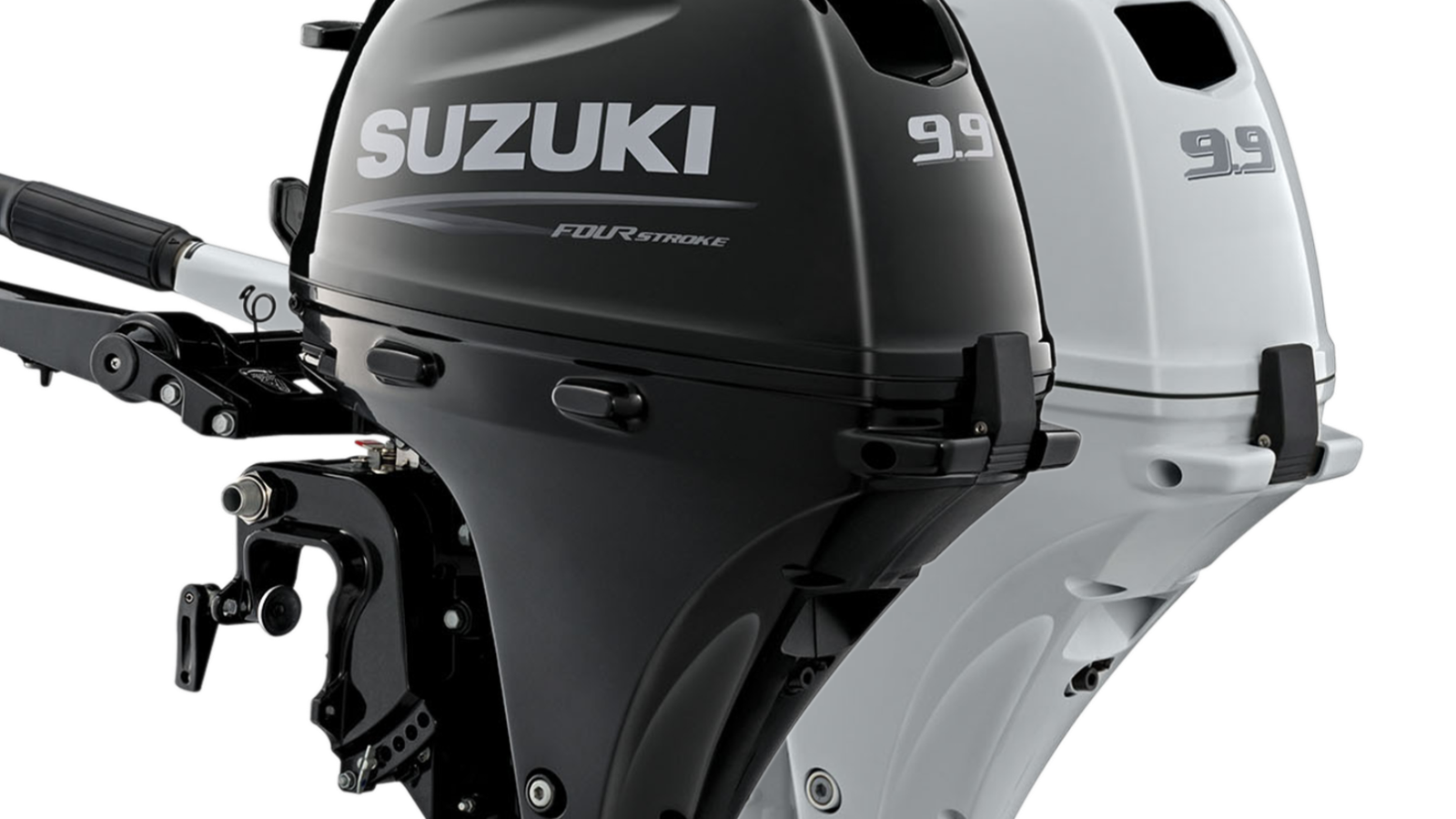
jet outboard vs prop

Jet Outboard vs Prop: 8 Honest Differences + Jet Motors From $2,816

The jet outboard vs prop choice comes down to one question: how shallow is your water? If you run rivers with gravel bars, rocks and a few inches of water, a jet will take you places a prop never could. If you run lakes, bays or open water, a prop is faster, cheaper to run and easier to live with. We sell both at our shop in Fresno, California, with jets starting at $2,816, and we ship worldwide.

Below we’ll go through how each one works, the real pros and cons, the specs, and which motors we’d pick. We’ve talked a lot of river guys and lake guys through the jet outboard vs prop decision, so this is what we tell them, not a sales pitch.
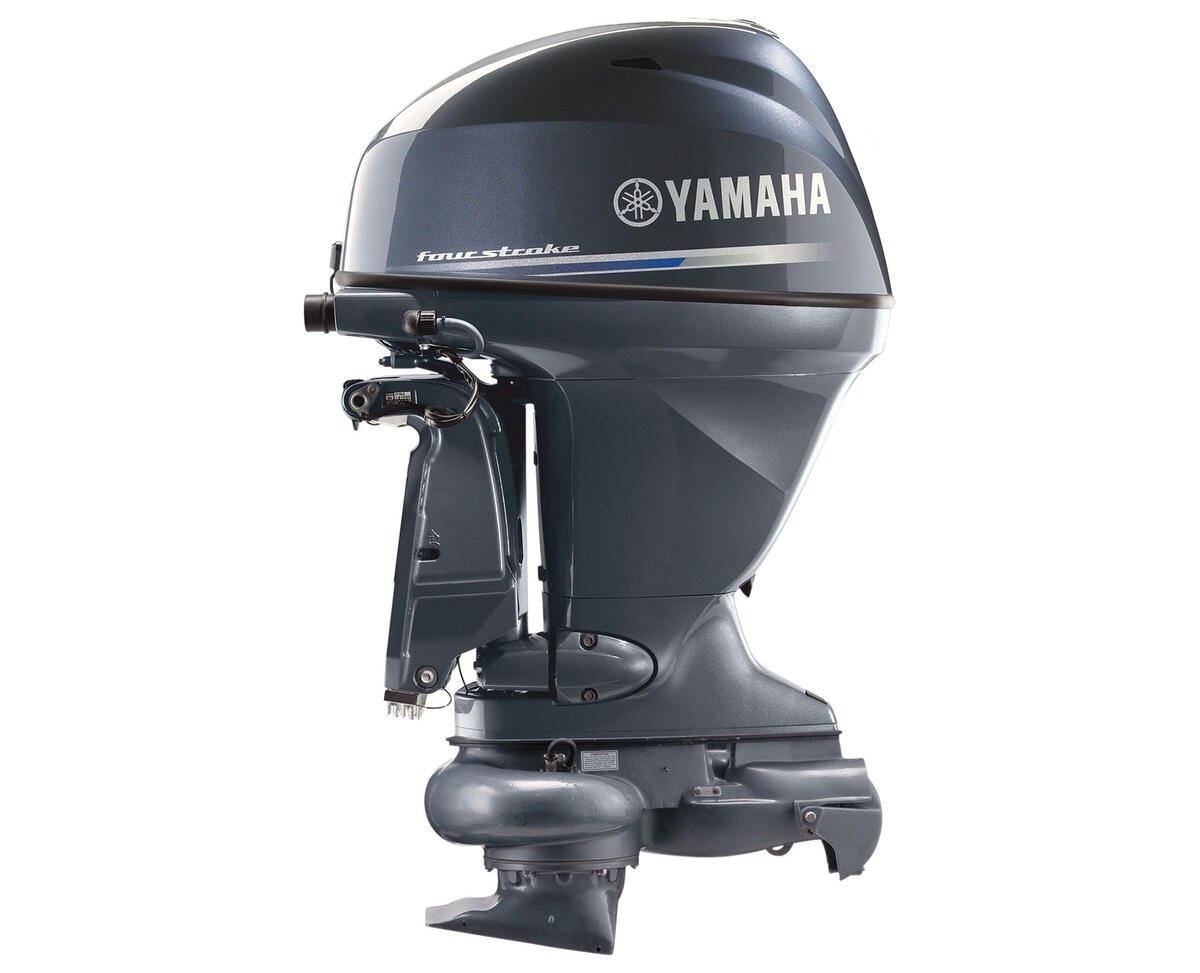
jet outboard vs prop
Jet outboard vs prop

Jet Outboard vs Prop: The Short Answer

Jet outboardProp outboard
Shallow waterExcellent, runs in inches once on planeNeeds enough depth for the lower unit
Top speedLowerHigher
Power deliveredRoughly 70 percent of the powerheadClose to full rated power
Fuel useHigher for the same speedLower
Low speed steeringWeaker, needs throttle to steerGood
ReverseWeakerStrong
Rocks and logsMuch more forgivingDamages prop and gearcase
Weeds and debrisCan clog the intakeCan foul the prop
MaintenanceFrequent greasing, impeller wear in sandNormal gearcase service
Price for the same outputUsually higherUsually lower

If you only remember one thing about jet outboard vs prop, make it this: buy a jet for shallow, rocky rivers, and a prop for everything else.

How a Jet Outboard Works

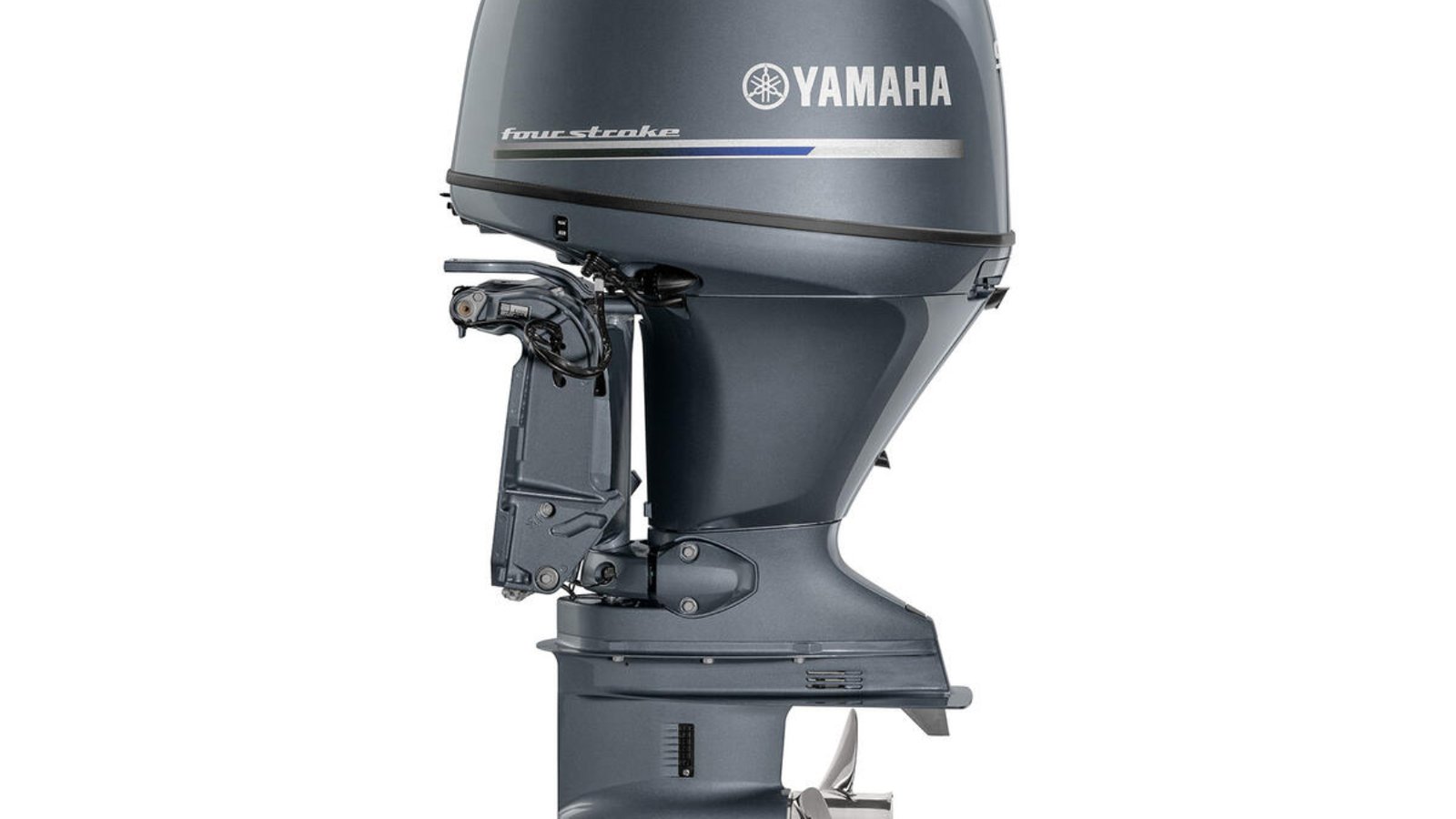
A jet outboard uses the same powerhead as a normal outboard. The difference is below the waterline. Instead of a gearcase and propeller, there’s a jet pump. Water is drawn up through an intake grate on the bottom, an impeller spins inside a housing and throws the water out the back through a nozzle at high speed. That stream pushes the boat forward.

To steer, the whole motor turns and points the stream. To go into reverse, a gate or bucket drops over the nozzle and sends the water forward. There’s no exposed prop and nothing hanging below the bottom of the boat.

Because the pump sits higher than a normal lower unit, the boat’s draft is set by the hull, not the motor. That’s the whole reason anyone looks at jet outboard vs prop in the first place.

How a Prop Outboard Works

A prop outboard drives a propeller through a gearcase that sits well below the hull. The prop bites into solid water and turns nearly all of the motor’s power into thrust. Gear ratio and prop pitch can be tuned for speed, load or hole shot. It’s simple, efficient and the way almost every boat in the world is powered.

The catch is that gearcase. On most motors it hangs a foot or more below the bottom of the boat, so you need enough water under you to keep it from hitting the bottom.

Jet Outboard vs Prop: The 8 Real Differences

1. Shallow water

This is the jet’s big win. Once a planing boat with a jet is up and running, it can cross water just a few inches deeper than the hull itself. River guides and hunters run gravel bars, riffles and flooded timber that would destroy a prop. If that’s your water, the jet outboard vs prop question is already answered.

One catch: a jet only does this on plane. At idle the boat sits lower, and the intake can suck up gravel and rocks. Learn to come off plane in deeper water.

2. Power loss

A jet pump is less efficient than a prop. A common rule of thumb is that a jet delivers about 70 percent of the powerhead’s rated power. So a jet built on a 60 HP powerhead performs roughly like a 40 HP prop motor. Makers name jets in different ways, some by powerhead and some by output, so always ask which one a listing means.

3. Top speed and hole shot

Because of that power loss, a jet is slower than a prop motor on the same powerhead, and it’s slower out of the hole. On a light aluminum river boat that’s often fine. On a heavy boat it can be a deal breaker.

4. Fuel use

Fuel is one of the clearest jet outboard vs prop differences. More fuel for the same speed. If you run long distances, that adds up over a season.

5. Steering and handling

A jet only steers when water is coming out of the nozzle. Back off the throttle in a turn and the boat keeps sliding straight. You learn to keep a bit of throttle on. Docking takes practice, and reverse is weaker than a prop.

6. Rocks, logs and debris

Hit a rock with a prop and you can lose the prop, the skeg or the whole gearcase. Brush a rock with a jet and you’ll probably just scuff the intake. But jets have their own issue. Weeds, leaves and plastic bags clog the intake grate and kill thrust. Most jet owners carry a little rake or tilt up to clear it.

7. Maintenance

Jet units need their driveshaft bearing greased often, in many cases after every day of use. Sand and gravel wear the impeller edges, which opens up the gap between impeller and housing and costs you thrust. You adjust that clearance with shims, and many owners keep it at about 1/32 inch. It’s not hard, but it’s more regular work than a prop motor.

8. Price

For the same delivered power, a jet usually costs more, because you need a bigger powerhead to get the same thrust. That’s another reason the jet outboard vs prop choice should be about your water, not about which sounds cooler.

Which Boats Suit a Jet Outboard?

The hull matters in jet outboard vs prop just as much as the water. A jet works best on a planing hull with a flat or shallow V bottom at the back, ideally aluminum. Many river boats are built for jets, with a flat pad and a tunnel that feeds water to the intake. Deep V fiberglass boats and pontoons aren’t a great match. The intake needs clean, solid water, and on a deep V it can suck air in turns.

Mounting height matters a lot. The leading edge of the intake should sit level with, or very slightly below, the bottom of the hull. Because the jet foot is shorter than a normal gearcase, a jet built from a 20 inch prop motor usually goes on a lower transom than you’d expect. Always check the maker’s mounting chart, or send us your transom height and we’ll tell you which model fits.

Jet Outboard vs Prop by Type of Water

  • Deep lakes and reservoirs: prop, every time.
  • Bays, estuaries and coastal water: prop. Salt water and sand are also hard on jet impellers.
  • Slow, deep rivers: prop, unless you often go up shallow side channels.
  • Fast, shallow, rocky rivers: jet.
  • Marshes, creeks and flooded timber: jet, or a mud motor.
  • Weedy ponds: usually prop. Weeds clog jet intakes quickly.

Find your water on that list and you have your jet outboard vs prop answer. If your water is a mix, think about where you spend most of your hours, and buy for that. A jet outboard vs prop decision made for the one trip a year to a shallow spot usually ends in regret.

Who Should Buy a Jet Outboard

  • River anglers and guides running shallow, rocky rivers
  • Duck and moose hunters getting into marshes and creeks
  • People who live on rivers with sandbars and changing channels
  • Anyone who keeps losing props and gearcases to rocks
  • Boaters in areas where swimmers or wildlife make an open prop a worry

Who Should Buy a Prop Outboard

  • Lake, bay and coastal boaters with enough depth
  • Anyone who cares about top speed and fuel use
  • People towing skiers or tubes
  • Pontoon, bass boat and center console owners
  • Anyone on a budget

Most people reading about jet outboard vs prop end up in the prop group, and that’s fine. A jet is a specialist tool.

Jet Outboards We Sell

Jet motorTypeOur price
Mercury 25MLHGA JetTiller, pull start$2,816
Mercury 25ELHGA JetTiller, electric start$2,993
Mercury 40ELPT JetRemote, power trim$3,093
Mercury 35ELPT JetRemote, power trim$3,802
Yamaha Jet Drive 30HPJet$5,130
Yamaha Jet Drive 40HPJet$5,210
Mercury 25 HP Jet EFIEFI, three cylinder$6,155
Yamaha F90JBRemote jet$6,300
Tohatsu MFS25AJETETLJet$7,699
Yamaha F40JEA JetRemote jet$8,090
Yamaha F60 Jet, extra long tillerTiller jet$8,799

Want more detail on the Yamaha range? Read our Yamaha jet outboard for sale guide. For bigger river boats, see the Evinrude 105 HP jet page.

Prop Outboards to Compare

Here are prop motors of similar size, so you can see the jet outboard vs prop price gap for yourself:

Prop motorHPOur price
Mercury 25ELHPT EFI25$2,865
Mercury 40ELPT40$3,619
Yamaha F40LA40$4,365
Yamaha F60LB60$4,780
Yamaha F90LB90$5,835

You can also browse all Mercury, Yamaha and Tohatsu outboards.

Jet Outboard vs Prop Specs Example

Here’s a typical comparison using a 60 HP class powerhead, so you can see what the power loss means in practice. Figures are approximate.

Spec60 HP propJet on the same powerhead
Power at the waterAbout 60 HPAbout 40 HP equivalent
Depth needed when runningLower unit depth plus a marginA few inches below the hull on plane
WeightBase motorUsually a bit more
Fuel at cruiseLowerHigher
ReverseStrongWeaker

Put simply, in the jet outboard vs prop trade you give up about a third of your power to gain the ability to run very skinny water.

Real Jet Outboard vs Prop Stories From Our Customers

The river guide who kept buying props

A fishing guide on a shallow, rocky river told us he went through three props and a lower unit in one season with a 60 HP prop motor. He wasn’t careless. The river just changes every year after floods. He switched to a jet on a 60 class powerhead. His boat is slower now, and he burns more fuel, but he hasn’t lost a day of guiding to a broken gearcase since. For him the jet outboard vs prop debate was over after the second prop.

The lake owner who almost bought a jet

Another buyer called us asking for a jet because he liked the idea of no prop under the boat. When we asked about his water, it turned out he boats on a deep reservoir with a sandy beach at one end. We talked him into a 40 HP prop motor instead. He saved money, got a faster boat and uses less fuel. The only place a jet would have helped was the last few metres to the beach, and a tilt and a short wade handle that fine.

The hunter in flooded timber

A duck hunter runs his 16 foot flat bottom through flooded fields and creeks before daylight. He hits stumps he can’t see. A jet lets him bump over most of it, and when something does clog the intake, he tilts up and clears it with a stick. He says he’d never go back to a prop for that kind of water.

Is There a Middle Ground?

Sort of. Some boaters with prop motors use a jack plate to raise the motor in shallow water, and a few use surface drive mud motors. Those are a different category. For outboard buyers, though, the jet outboard vs prop choice is the main one. If you mostly run deep water with the odd shallow spot, a prop motor with good trim and careful driving covers it. If shallow water is where you spend most of your time, a jet is worth every bit of the trade off.

Can You Convert a Prop Outboard to a Jet?

On many motors, yes, and it’s a cheap way to try the jet side of jet outboard vs prop. Jet conversion kits replace the lower unit with a jet pump. They’re popular with river boaters who already own a good prop motor. You still lose that roughly 30 percent of thrust, and you need to mount the motor at the right height. It’s a good option if you have a solid motor and want to try jet boating. If you’re buying new, a factory jet model is usually simpler, with the right parts and mount height worked out already.

Sizing a Jet: Quick Guide

Because of the power loss, sizing works differently on the jet side of jet outboard vs prop. Start with the prop horsepower your boat would need, then go up roughly one size class for the jet. Here’s a rough guide for light aluminum river boats:

BoatProp HP you’d useJet to look at
12 to 14 ft flat bottom15 to 2025 HP class jet
14 to 16 ft river boat25 to 4035 to 40 HP class jet, built on a bigger powerhead
16 to 18 ft river boat40 to 6060 to 90 class jet
18 to 20 ft river boat75 to 11590 to 150 class jet

Check your capacity plate first. Our guide on what size outboard for my boat explains how to read it, and our Mercury 25 HP, Mercury 40 HP, Yamaha 60 HP and Yamaha 90 HP pages list the jet and prop models side by side.

Running Costs Over a Season

Let’s be honest about money, because it’s a big part of jet outboard vs prop. A jet burns more fuel for every mile. It needs grease often, and in sandy rivers the impeller and wear ring need attention every season or two. A prop motor in deep water needs routine service and that’s about it.

But a prop motor in a rocky river can be the expensive one. A new stainless prop isn’t cheap, and a cracked gearcase can cost a big chunk of what you paid for the motor. If you hit bottom a few times a season, the jet often ends up cheaper over the life of the boat. So when you weigh jet outboard vs prop costs, count the repairs you’re likely to need, not just the fuel.

Four Stroke Jets and Older Two Stroke Jets

Most jet outboards sold new today are four strokes, like the Yamaha and Mercury jets on this page. They’re quieter, cleaner and use less fuel than the old two stroke jets. Many river boaters still run older two stroke jets because they’re light and punchy. If you’re looking at a used one, the same rules apply as for any used motor, plus a close look at the jet unit itself.

Buying a Used Jet Outboard

A used jet can be a good deal, but check the jet foot carefully. Look at the impeller edges for rounding and chips, check the clearance, look inside the intake for gouges, and pull a little grease from the bearing to see if it’s milky. Then do the usual compression, cooling and shifting checks. Our full guide on how to check a used outboard before buying covers those. We also list tested motors in our used outboard engines section, and you’ll find older jet friendly motors in our Evinrude E-TEC range.

Jet Outboard Tips From Owners

  • Grease the jet bearing as often as the maker says, and check the old grease. If it’s milky, water is getting in.
  • Carry a small rake or stick to clear the intake grate.
  • Keep an eye on impeller clearance. Worn impellers lose a lot of thrust.
  • Come off plane in deep water, not over the shallows.
  • Keep some throttle on in turns so the boat steers.
  • Practice docking before you need to do it in a current.

Common Jet Outboard vs Prop Mistakes

  • Buying a jet for a deep lake. You pay more and get a slower, thirstier boat for no benefit.
  • Buying a prop for a rocky river. You’ll spend the savings on props and gearcases.
  • Undersizing the jet. Remember the power loss. If you’d want 40 HP with a prop, look at a jet built on a 60.
  • Mounting the jet at the wrong height. Too high and it sucks air. Too low and you lose the shallow water benefit.
  • Putting a jet on the wrong hull. Deep V hulls and pontoons rarely work well.

How to Order From Us

  1. Tell us your boat, your transom height and the water you run.
  2. We’ll confirm whether jet outboard vs prop makes more sense for you, and which model fits.
  3. Order on the product page, or call or WhatsApp +1 209 690 5983.
  4. We confirm stock and shipping to your country.
  5. Your motor ships crated, with tracking.

New to buying online? Read how to buy outboard motor online, see our free shipping page, and check what size outboard for my boat if you’re not sure of the horsepower. The makers’ own sites, Yamaha Outboards and Mercury Marine, have mounting charts and owner manuals for their jet models.

Jet Outboard vs Prop: FAQ

Is a jet outboard faster than a prop?

No. On the same powerhead, a prop is faster. A jet’s advantage is shallow water.

How shallow can a jet outboard run?

On plane, many jet boats cross water just a few inches deeper than the hull. At idle they need more depth.

Do jet outboards use more fuel?

Yes, for the same speed, because the pump is less efficient than a prop.

Is a jet outboard safer around swimmers?

There’s no exposed prop, which is a plus, but the intake still has strong suction. Keep people well clear of any running motor.

Which is cheaper to maintain in the jet outboard vs prop debate?

A prop motor in deep water. A jet in rocky rivers, because you won’t keep replacing props and gearcases.

Do you ship jet outboards worldwide?

Yes. Tell us your country and we’ll confirm cost and timing before you pay.

Final Word on Jet Outboard vs Prop

If your water is shallow and rocky, get a jet. If it isn’t, get a prop. That’s really all there is to jet outboard vs prop. Just remember the jet power loss when you choose a size, mount it at the right height, and keep it greased. Every motor on this page links to its listing with our current price. Call or WhatsApp +1 209 690 5983, use our contact page, browse the shop, read our customer reviews, or learn more about us.

best kicker motor for trolling

Best Kicker Motor for Trolling: 6 Proven Picks for 2026, From $1,272

Looking for the best kicker motor for trolling? We sell kickers from Yamaha, Mercury, Suzuki, Honda and Tohatsu, with more than 40 versions in stock starting at $1,272, and we ship worldwide. Below are the picks we’d actually put on our own boats, the specs that matter for slow trolling, and the price of each one.

We’re an outboard shop in Fresno, California. A lot of our kicker buyers fish for walleye, salmon, trout and lake species, and a lot of them come back for advice once the motor is on the boat. So this isn’t a list copied off a spec sheet. It’s what we’ve learned about the best kicker motor for trolling from the people who use them every weekend.

best kicker motor for trolling
Best kicker motor for trolling

Our Picks for the Best Kicker Motor for Trolling

PickMotorOur price
Best overallSuzuki DF9.9BTL5$3,290
Best high thrustYamaha T9.9LPB$2,040
Best valueMercury 9.9ELHPT ProKicker$1,930
Best for big, heavy boatsMercury 15EXLHPT ProKicker EFI$1,998
QuietestHonda BFP10D3LHT$3,449
Best EFI with power tilt on a budgetTohatsu MFS9.9EEFTL$3,275
Cheapest kicker that worksMercury 9.9MXLH$1,330

Every motor in that table is a solid choice. Which one is the best kicker motor for trolling for you depends on your boat, your transom and your budget. Let’s get into it.

What Is a Kicker Motor?

Before we get to the best kicker motor for trolling, a quick refresher. A kicker is a small outboard mounted next to your main motor. You use the main motor to run to your spot, then shut it down and troll on the kicker. Most kickers are 8 to 9.9 HP. Bigger boats sometimes run 15 or even 25 HP.

Why not just troll on the main motor? A few reasons:

  • Speed. A big outboard at idle often trolls too fast for walleye or salmon, especially with the wind behind you.
  • Engine hours. Hours of idling put hours on an expensive motor and can foul plugs on some older ones.
  • Fuel. A 9.9 at trolling speed burns a small fraction of what a 150 or 200 burns idling.
  • Backup. If the main motor quits, a kicker gets you home. On big water, that alone is worth the price.
  • Noise. A small four stroke is quiet, and many anglers believe it spooks fewer fish.

What Makes the Best Kicker Motor for Trolling?

Not every 9.9 makes a good kicker. Here’s what to look for when you shop for the best kicker motor for trolling.

High thrust gearing

High thrust models use a lower gear ratio and a bigger prop. That means more push at low speed and better control in wind and waves. Yamaha’s T9.9, Honda’s BFP and Mercury’s ProKicker with its Command Thrust gearcase are all built this way. For heavy boats, this is the single biggest thing that makes the best kicker motor for trolling.

Fuel injection

EFI motors idle slower, smoother and more evenly than carbureted ones. That gives you a lower trolling speed. They also start easier after sitting, which kickers often do between trips. If you can afford it, get EFI.

Shaft length

Most kickers need a 20 inch (long) or 25 inch (extra long) shaft. On big boats with high transoms and in rough water, 25 inch keeps the prop in the water. Measure your kicker bracket or transom before you order.

Power tilt

You’ll tilt your kicker up and down every trip, so power tilt is high on our list for the best kicker motor for trolling. On a heavy motor at the back of a big boat, power tilt saves your back and makes it easier to do safely.

Electric start

Pull starting while leaning over a high transom in waves isn’t fun. Most of the best kickers have electric start, and many have a pull cord as a backup.

Tiller or remote

Tiller kickers are simpler and cheaper. Remote kickers can be steered from the helm, usually by linking them to the main motor with a tie bar, and some can be controlled from a remote throttle. If you troll alone, a remote or linked setup lets you stay at the console with your rods.

Best Kicker Motor for Trolling Overall: Suzuki DF9.9BT

If someone asks us for the best kicker motor for trolling and gives us no other details, we point to the Suzuki DF9.9BT. It’s a twin of about 208cc with Suzuki’s battery free fuel injection, which gives it smooth, slow idle and easy starts. The T versions add power tilt. It’s compact and comes in long and extra long shafts, tiller and remote.

For more on this motor, see our Suzuki DF9.9B price guide and all our Suzuki 9.9 HP models.

Best High Thrust Kicker: Yamaha T9.9

The Yamaha T9.9 is the classic high thrust kicker, and for many walleye anglers it’s simply the best kicker motor for trolling. It uses a twin of about 212cc with fuel injection and a high thrust lower unit with low gearing and a big prop. It holds a slow, steady speed into the wind better than most standard 9.9s.

Yamaha also makes a matching digital kicker setup on some boats, so if your main motor is a Yamaha, ask us about controls. Browse all Yamaha 9.9 HP models.

Best Value Kicker: Mercury 9.9 ProKicker

The Mercury ProKicker is built for one job, and it does it well. It uses Mercury’s Command Thrust gearcase, a bigger lower unit with lower gearing that swings a larger prop. That gives it strong push at low speed on heavy boats. In our store it’s also cheaper than most rivals, which is why it’s our value pick for the best kicker motor for trolling.

See every Mercury 9.9 HP model we have in stock.

Best for Big Boats: Mercury 15 ProKicker EFI

If your boat is 22 feet or more, or very heavy, a 9.9 can struggle to hold speed into a stiff wind. A 15 HP kicker fixes that. The Mercury 15 ProKicker EFI uses the same big gearcase idea with fuel injection and more power. In our view it’s the best kicker motor for trolling on big Great Lakes style boats. Check your local rules though, because some waters limit kickers.

For the biggest boats, a 25 HP high thrust motor like the Yamaha T25XWTC at $5,763 can also work as a kicker or a main motor on a smaller workboat.

Quietest Kicker: Honda BFP10

Honda’s BFP is its high thrust 9.9, with a twin of about 222cc. Honda motors are known for being smooth and quiet, and that’s a big deal when you’re sitting on a kicker for six hours. It’s a little pricier, but owners love it.

More in our Honda 9.9 HP range.

Best EFI Kicker on a Budget: Tohatsu MFS9.9EF

Tohatsu’s EFI 9.9 is built on a bigger 351cc block shared with its 15 and 20, so it’s relaxed and has plenty of low end grunt at trolling speed. The T versions have power tilt, and the UL versions have a 25 inch shaft. It’s heavier than some rivals, but it’s tough.

Read our Tohatsu 9.9 HP buying guide for the full range.

Cheapest Kicker That Works: Mercury 9.9 Carb

If money is tight, a basic Mercury 9.9 with a long or extra long shaft does the job. It’s carbureted, so it won’t idle quite as slow as an EFI motor, and you’ll need to keep the fuel fresh. But it’s light, cheap and simple.

Kicker Specs Side by Side

MotorDisplacementFuelHigh thrustShaftsFrom
Suzuki DF9.9BTAbout 208ccEFINo20, 25 inch$2,108
Yamaha T9.9About 212ccEFIYes20, 25 inch$1,980
Mercury 9.9 ProKickerAbout 209ccCarbYes, Command Thrust20, 25 inch$1,930
Mercury 15 ProKickerAbout 333ccEFIYes, Command Thrust20, 25 inch$1,938
Honda BFP10About 222ccCarbYes20, 25 inch$3,179
Tohatsu MFS9.9EFAbout 351ccEFINo20, 25 inch$3,050

Specs are approximate and vary by year and version. The exact details are on each listing.

What Size Kicker Do You Need?

Boat lengthKicker size
Up to 18 ft6 to 9.9 HP
18 to 21 ft9.9 HP, high thrust helps
21 to 24 ft9.9 high thrust or 15 HP
24 ft and up15 to 25 HP

Heavy fiberglass boats need more than light aluminum ones of the same length. If you troll in big water or strong wind, size up. If you’re unsure what fits, our what size outboard for my boat guide covers sizing in detail.

Kicker Setups Our Customers Actually Run

The walleye boat on a big lake

One of our regulars runs a 20 foot aluminum deep V with a 150 on the back. He trolls crankbaits at about 1.5 mph, often into a chop. He tried a standard carbureted 9.9 first and found it surged in waves and wouldn’t hold a steady speed. He moved to a Yamaha T9.9 with power tilt, linked to the main motor with a tie bar. For him, that’s the best kicker motor for trolling, full stop. He steers from the console and barely touches the kicker all day.

The salmon boat on open water

A customer with a 24 foot fiberglass boat trolls for salmon on big water with downriggers. A 9.9 couldn’t hold speed into a headwind with that much hull and gear. We put a Mercury 15 ProKicker EFI with an extra long shaft on it. The bigger motor and big gearcase kept the speed steady, and the extra long shaft kept the prop biting in the swells.

The small boat on a budget

Another buyer had a 17 foot boat and a tight budget. He went with a basic Mercury 9.9 extra long shaft at $1,330 and a drift sock. It’s not the slowest idling motor on the market, but with the sock out it trolls at the speed he wants, and it gets him home if the main motor gives trouble. Sometimes the best kicker motor for trolling is the one you can afford today.

EFI or Carburetor at Trolling Speed?

This is where kickers differ most from regular outboards. A carbureted motor idles fine when it’s tuned and the fuel is fresh. But kickers often sit for weeks, then idle for hours. That’s tough on carbs. Old fuel gums up the small idle jets first, and the first thing you notice is rough, uneven idle, exactly when you need it smooth.

Fuel injection fixes most of that. EFI motors adjust the fuel to the conditions, idle lower and more evenly, and start easily after sitting. That’s why most of our picks for the best kicker motor for trolling are fuel injected. If you buy a carbureted kicker, run it dry or use stabilizer between trips, and keep a spare set of plugs on the boat.

Mistakes People Make Buying a Kicker

  • Shaft too short. On a big boat in waves, a 15 or 20 inch shaft can pop the prop out of the water. Measure the bracket at its lowest position.
  • Standard prop on a heavy boat. A standard 9.9 prop is made for planing small boats. On a heavy boat at low speed, a high thrust prop does much better.
  • No tie bar. Steering a kicker from the back of the boat all day gets old. Link it to the main motor.
  • Forgetting the battery. An electric start kicker needs a charged battery. Plan the wiring before it arrives.
  • Buying the cheapest 9.9 for a 24 footer. On big boats, the best kicker motor for trolling is often a 15, not a 9.9.

Questions to Ask Before You Buy

Answer these and you’ll know which motor on this page is the best kicker motor for trolling on your boat:

  1. How long and heavy is the boat with gear and people?
  2. How fast do you troll, and for what fish?
  3. Do you troll in calm water or into wind and waves?
  4. How tall is your bracket or transom?
  5. Do you want to steer from the helm?
  6. How often does the boat sit between trips?
  7. Are there horsepower limits on your water?

How Slow Will It Troll?

Trolling speed is the real test of the best kicker motor for trolling. Walleye anglers often want 1 to 2 mph. Salmon and trout trollers often run 1.5 to 3 mph. A good EFI kicker at idle on a mid size boat usually gets into the low end of that range in calm water. If you need slower, a trolling plate or drift sock helps a lot, and some owners use both. High thrust props also give you finer control at the bottom end, which is part of why they feel like the best kicker motor for trolling to so many walleye guys.

Mounting a Kicker

  • Kicker bracket. Most people mount the kicker on an adjustable bracket next to the main motor. A good bracket lets you raise the motor clear of the water when you’re running.
  • Tie bar. Linking the kicker to the main motor lets you steer from the helm. It’s one of the best upgrades you can make.
  • Fuel. Some owners give the kicker its own small tank. Others run it from the main tank with a separate line. Ask your installer what’s right for your boat.
  • Battery. An electric start kicker needs a battery. Many share the main cranking battery or a separate one.

Four Stroke or Two Stroke Kicker?

Years ago almost every kicker was a two stroke. They were light and simple, but they smoked, smelled and fouled plugs when idled for hours. Modern four strokes idle cleanly, use far less fuel at trolling speed and are much quieter. Every motor we’d call the best kicker motor for trolling today is a four stroke. The only real downside is weight, and power tilt takes care of most of that.

New or Used Kicker?

A used kicker can be a good deal, but kickers live a hard life. They idle for hours, sit for weeks and often get less care than the main motor. If you go used, check compression, the gear oil and the cooling stream, and look at the idle quality closely. Our guide on how to check a used outboard before buying walks through every step. In many cases, a new Mercury ProKicker or Yamaha T9.9 at our prices costs little more than a used one, and that’s why we usually point people to new when they ask us for the best kicker motor for trolling.

If you’re still comparing brands, our Tohatsu vs Mercury outboard comparison covers the 9.9 class in detail, and our electric start outboard page lists kickers with push button starting. Picking the best kicker motor for trolling gets a lot easier once you’ve narrowed it to two or three models.

Gas Kicker or Electric Trolling Motor?

A bow mount electric trolling motor is great for precise boat control and quiet fishing in shallow water, but it can’t push a big boat into wind all day without a lot of batteries. A gas kicker can run all day on a few litres of fuel and gets you home if the main motor quits. Many serious anglers run both. For long trolling passes on big water, though, a gas outboard is still the best kicker motor for trolling in our book. If you want electric power for a small boat instead, see our Torqeedo Cruise guide.

Looking After Your Kicker

Even the best kicker motor for trolling needs care. Kickers sit a lot and run at low speed, which is hard on carbureted motors. Use fresh fuel with stabilizer, run the motor at higher RPM for a minute now and then to clear it out, change the gear oil every season, and change the impeller every two to three years. Flush it after salt water. You can find good general maintenance tips at BoatUS, and Yamaha’s own kicker info is on Yamaha Outboards.

How to Order

  1. Pick your kicker from the links above.
  2. Measure your bracket or transom for shaft length.
  3. Order on the product page, or call or WhatsApp +1 209 690 5983.
  4. We confirm stock and shipping for your country.
  5. Your motor ships crated, with tracking.

New to buying a motor online? Read how to buy outboard motor online, see our long shaft outboard guide, and check our roundup of the best 9.9 HP outboard picks.

Best Kicker Motor for Trolling: FAQ

What is the best kicker motor for trolling walleye?

A high thrust EFI 9.9 like the Yamaha T9.9 or a Mercury ProKicker is hard to beat for walleye.

Is 9.9 HP enough for a kicker?

For most boats up to about 21 feet, yes. Bigger, heavier boats do better with 15 HP.

Should I get a long or extra long shaft kicker?

Measure your bracket or transom. On big boats and rough water, extra long (25 inch) is common.

Do I need power tilt on a kicker?

It’s not essential, but on big boats it’s a real back saver, and we’d recommend it.

What is the best kicker motor for trolling on a budget?

The Mercury 9.9 ProKicker gives you a big gearcase for a low price. A basic Mercury 9.9 extra long is the cheapest option that works.

Do you ship kickers worldwide?

Yes. We confirm cost and timing for your country before you pay.

Final Word

Our pick for the best kicker motor for trolling overall is the Suzuki DF9.9BT. For heavy boats and windy days, the Yamaha T9.9 or a Mercury ProKicker. For big boats, the Mercury 15 ProKicker EFI. For the quietest ride, the Honda BFP10. Every motor here links to its listing with our current price. Call or WhatsApp +1 209 690 5983, use our contact page, browse the shop, read our reviews, or learn more about us.

what size outboard for my boat

What Size Outboard for My Boat? Easy HP Chart + Best Motors From $885 (2026)

What size outboard for my boat? We hear that question more than any other at our shop in Fresno, California, and the answer is easier than most people think. You need four things: your boat’s capacity plate, its weight, how you’ll use it, and your transom height. Get those right and the motor almost picks itself.

We sell outboards from 2.5 HP to 425 HP, from Yamaha, Mercury, Suzuki, Honda, Tohatsu and Evinrude, and we ship them worldwide. So below you’ll find a simple sizing method, a horsepower chart by boat type, the specs that matter, and real motors with our prices. If you’ve been asking yourself what size outboard for my boat, this page should settle it.

what size outboard for my boat
What size outboard for my boat

What Size Outboard for My Boat: The 4 Step Method

  1. Read the capacity plate. It tells you the most horsepower your boat can legally and safely carry.
  2. Work out the total weight: boat, motor, fuel, people and gear.
  3. Decide how you’ll use it: displacement speed, planing, towing, or trolling.
  4. Measure your transom so you get the right shaft length.

Let’s go through each one, because each step changes what size outboard for my boat really means for you.

Step 1: Check the Capacity Plate

Most powerboats under about 20 feet have a capacity plate near the helm or on the transom. It shows the maximum horsepower, the maximum number of people and the maximum weight. In the US it’s required by the Coast Guard, and you can read more on the US Coast Guard boating safety site. Many other countries have their own version.

The plate is the first answer to what size outboard for my boat. Never go over the maximum horsepower on the plate. It’s there because the hull, the transom and the steering were designed for that much power and no more. Going over can make the boat dangerous, and in many places it can void your insurance.

No plate? That’s common on older boats, sailboats, inflatables and boats over 20 feet. In that case, ask the builder, look for the original brochure, or use the weight method in step 2.

Step 2: Work Out the Total Weight

Horsepower moves weight, so weight is the second answer to what size outboard for my boat. A good rough guide for planing boats is:

  • About 1 HP for every 25 to 40 lb (11 to 18 kg) of total weight for a boat that planes easily and quickly.
  • About 1 HP for every 40 to 60 lb (18 to 27 kg) if you’re fine with slower planing and moderate top speed.

Total weight means everything: the hull, the motor, full fuel, batteries, people, coolers and gear. People always forget the gear. So when someone asks us what size outboard for my boat, our first question is usually how many people and how much stuff.

Example: a 16 foot aluminum boat weighs about 400 lb. Add a 50 HP motor at about 220 lb, fuel at 80 lb, two people at 400 lb and gear at 100 lb. That’s about 1,200 lb. At 1 HP per 25 to 40 lb, you’d want 30 to 50 HP, and the plate on most 16 footers allows 40 to 60. So a 40 or 50 HP is the sweet spot.

Step 3: How Will You Use It?

Displacement speed (not planing)

Sailboats, heavy dinghies, canoes and some workboats don’t plane. They’re limited by hull length, so more power past a point just burns fuel. Small motors from 2.5 to 9.9 HP are normal here, often with high thrust props.

Planing

Most powerboats are made to get up on plane. You need enough horsepower to push over the hump quickly with a full load. This is where people most often buy too small.

Towing skiers and tubes

If towing is the reason you’re asking what size outboard for my boat, go toward the top of your plate rating. Pulling a skier out of the water takes a lot more power than cruising.

Trolling

If you troll a lot, you may want a main motor plus a small kicker. See our guide on the best 9.9 HP outboard picks for kickers.

Step 4: Measure the Transom for Shaft Length

Horsepower is only half of what size outboard for my boat means. The other half is shaft length. Measure from the top of the transom, where the motor clamps on, straight down to the bottom of the hull.

Transom heightShaft lengthCode
About 15 inches (38 cm)ShortS
About 20 inches (51 cm)LongL
About 25 inches (64 cm)Extra longX
About 30 inches (76 cm)Extra extra longU or XX

Too short and the prop sucks air and cavitates. Too long and the gearcase drags, slowing you down and throwing spray. Our long shaft outboard guide goes into this in more detail.

What Size Outboard for My Boat? Quick Chart by Boat Type

BoatTypical HPShaftExample from our stock
Inflatable dinghy, 8 to 10 ft2.5 to 6ShortMercury 2.5MH, $885
Inflatable or RIB, 10 to 12 ft8 to 20ShortMercury 15MH EFI, $1,727
Canoe or square stern kayak2 to 4Short or longMercury 3.5MLH, $1,050
Jon boat, 10 to 12 ft5 to 15ShortTohatsu MFS9.8BS, $2,440
Jon boat or aluminum, 14 ft15 to 30Short or longMercury 20MH EFI, $2,013
Aluminum fishing, 16 ft40 to 60LongYamaha F40LA, $4,365
Aluminum or fiberglass, 17 to 18 ft75 to 115LongYamaha F90LB, $5,835
Bass boat, 18 to 21 ft150 to 250Long or extra longYamaha VF200LA V MAX SHO
Pontoon, 18 to 20 ft40 to 90Long or extra longMercury 50ELPT Command Thrust, $4,147
Pontoon, 22 to 26 ft115 to 250Extra longSuzuki 150 HP
Bay boat or center console, 20 to 24 ft150 to 300Extra longYamaha F200XB
Offshore, 25 ft and upTwin 200 to 350Extra long or XXMercury Verado
Sailboat, 20 to 30 ft4 to 9.9 high thrustLong or extra longYamaha T9.9XWHB, $1,980

These are typical ranges. Your capacity plate always wins over this chart. If you’re still unsure what size outboard for my boat means for your exact hull, send us the make, model and length and we’ll tell you what we’d fit.

Sizing by Boat Type, in More Detail

Inflatables and tenders

Weight is everything here, because you’ll lift the motor on and off. For an 8 to 10 foot dinghy, a 2.5 to 6 HP four stroke is plenty to putter to shore. If you want a 10 to 12 foot RIB to plane with two people, you’ll need 15 to 20 HP, and most RIBs that size are rated for it. Our Mercury 15 HP range is light and fuel injected.

Jon boats and small aluminum boats

A 12 foot jon boat on a quiet lake is happy with 6 to 9.9 HP. A 14 footer that you want to plane with two people and gear does better with 20 to 25 HP. Many lakes cap you under 10 HP, so check your local rules before you decide what size outboard for my boat makes sense. A Mercury 9.9MH at $1,272 or a Suzuki DF9.9BS5 at $2,640 are both good fits.

16 to 18 foot fishing boats

This is the size where people most often under power. A 16 foot deep V with three people and a full livewell needs 50 to 60 HP to plane well. At 17 to 18 feet you’re looking at 90 to 115 HP. Check our Yamaha 60 HP and Yamaha 90 HP listings, or the Suzuki 115 HP range.

Pontoons

Pontoon owners ask what size outboard for my boat more than anyone. Pontoons are heavy and push a lot of water. A small 18 foot pontoon cruising with a few people can get by on 40 to 60 HP. If you want to pull tubes, or you have a 22 foot and up tritoon, go 115 HP or more. Motors with big gearcases and low gearing, like Mercury’s Command Thrust or Yamaha’s high thrust models, swing bigger props and suit pontoons well.

Bass, bay and center console boats

These are usually rated high, and most owners run close to the max. For a bay boat or center console of 20 to 24 feet, 150 to 300 HP is normal. See our Suzuki 200 HP buying guide, our Mercury 250 HP buying guide and the Yamaha V MAX SHO range.

Sailboats

A sailboat motor only needs to push the hull to hull speed. For 20 to 30 foot sailboats, 4 to 9.9 HP is normal. Pick a long or extra long shaft so the prop stays in the water when the stern lifts in waves, and pick a high thrust prop if you can. Electric is also worth a look: our Torqeedo Cruise guide covers that.

Big boats and repowers

Over 25 feet, twin engines are common. For offshore, two motors also give you a way home if one fails. The Yamaha 425 HP and Mercury Pro XS are popular for these.

Specs of Popular Sizes We Sell

MotorCylindersDisplacementApprox weightOur price
Mercury 20MH EFI2About 333ccAbout 45 kg$2,013
Yamaha F25LMHC2About 432ccAbout 57 kg$3,299
Mercury 40ELPT3About 747ccAbout 100 kg$3,619
Yamaha F60LB4About 996ccAbout 110 kg$4,780
Yamaha F90LB4About 1,832ccAbout 162 kg$5,835
Yamaha F150LB4About 2,670ccAbout 216 kg$13,799
Yamaha F200LCA4About 2,785ccAbout 226 kg$9,000

Weights are approximate and depend on shaft length and options. Each listing has the details.

Too Small vs Too Big

When people ask what size outboard for my boat, they usually worry about going too big. In our experience, going too small is the more common mistake.

Too small

  • The boat struggles to plane, or won’t plane at all with a full load.
  • The motor runs near full throttle all the time, which wears it faster.
  • Fuel use is often worse, because a small motor working hard is less efficient than a bigger one loafing.
  • You have no reserve power for bad weather or a strong current.

Too big

  • It can be unsafe and illegal if it’s over the plate rating.
  • The extra weight sinks the stern and can let water in over a low transom.
  • It costs more to buy and more to insure.

Our advice: aim for 75 to 100 percent of your plate rating for most planing boats. That’s the honest answer to what size outboard for my boat for most people.

Real Examples From Our Customers

Numbers on a chart are fine, but it helps to see how it plays out. Here are a few real situations that came through our shop, with names left out.

The overloaded 16 footer

A buyer had a 16 foot aluminum boat rated for 50 HP and was running a 25. With himself, his brother, two kids and a cooler, the boat would barely plane. He asked us what size outboard for my boat would fix it without breaking the bank. We put him on a 40 HP with electric start and power tilt. He told us later it planes in a few seconds now, and because the motor isn’t screaming at full throttle, his fuel use went down.

The sailboat that only needed 6 HP

Another customer with a 26 foot sailboat wanted a 15 HP because he figured more is better. The boat’s hull speed is about 6.5 knots, and a 6 HP high thrust motor will get it there in calm water. We talked him into a long shaft 6 HP Sail Pro. He saved money and about 20 kg on the stern, which made the boat sit better and the motor easier to lift.

The pontoon that couldn’t pull a tube

A family with a 22 foot pontoon had a 50 HP from the original owner. It was fine for cruising but useless for tubing. When they asked us what size outboard for my boat for towing, the plate allowed 115, so we suggested a 90 to 115 with a big gearcase. That’s the range where pontoons start to feel lively.

The inflatable that was too heavy to carry

A boater bought a 20 HP for his 10 foot inflatable tender because it was rated for it. Then he had to lift it onto a yacht’s swim platform every trip. We swapped him to a light 9.9. Sometimes what size outboard for my boat isn’t about speed at all. It’s about what you can carry.

How Much Faster Will More Horsepower Make It?

Speed doesn’t go up in a straight line with horsepower. As a rough guide, doubling the horsepower on a planing boat often adds something like 30 to 40 percent to top speed, not double. That’s because drag climbs fast as speed goes up. So going from a 40 to a 60 on a 16 footer might add a few mph at the top, but the real gain is how quickly it planes with a load, and how relaxed the motor feels at cruise.

If top speed matters most to you, look at weight as well as power. A lighter motor of the same horsepower can make a small boat noticeably faster.

Heavy Loads, Work Boats and Hot Climates

If you carry heavy loads, run in strong currents, or use the boat for work, size up. Commercial fishermen and ferry operators often run close to the max rating, and they pick motors with high thrust gearing so they can swing bigger props. Hot weather and high altitude also take power away from any engine. A lake high in the mountains can cost you a noticeable chunk of power, so if that’s your water, factor it in when you work out what size outboard for my boat.

Common Mistakes When Sizing an Outboard

  • Forgetting the load. The boat might plane with one person and nothing else. Load it the way you really use it.
  • Wrong shaft length. This is the most common ordering mistake we see. Measure first.
  • Ignoring weight on the transom. A heavy four stroke on a small, light boat can make it sit stern down.
  • Buying for top speed only. Most of your time is at cruise. Buy for that.
  • Not checking local rules. Some lakes cap horsepower, and some ban gas motors outright.
  • Forgetting controls. A remote motor on a boat with no steering needs cables, a helm and a control box.

Checklist Before You Order

Before you buy, run through this list. It’s the short version of what size outboard for my boat in practice:

  • Capacity plate maximum HP written down
  • Total weight worked out, including people and gear
  • Use decided: displacement, planing, towing or trolling
  • Transom height measured for shaft length
  • Tiller or remote decided
  • Pull or electric start decided
  • Manual or power tilt decided
  • Local rules checked for HP limits

Got all that? Then you know what size outboard for my boat looks like for you, and you can pick a brand and model with confidence.

Tiller or Remote Steering?

Up to about 30 HP, tiller steering is simple and cheap. From 40 to 60 HP you can get either, and tiller is popular on fishing boats. Above about 90 HP almost everything is remote, with a steering wheel, cables and a control box. Remember that a remote motor needs those parts, and they add cost if your boat doesn’t have them. Our tiller outboard and electric start outboard pages show the options.

Single or Twin Engines?

For most boats under 24 feet, one motor is simpler and cheaper. Twins make sense on bigger offshore boats for safety and for handling. If you’re thinking twin, work out what size outboard for my boat in total horsepower, then split it. Two 150s on a boat rated for 300 HP, for example.

Two Stroke or Four Stroke Changes the Weight

Older boats were often rated with two strokes in mind, and two strokes are lighter for the same power. A modern four stroke of the same horsepower can be noticeably heavier, especially from 40 HP up. If your boat is small, light or has a low transom, that extra weight matters. It can push the stern down, slow the planing, and cut your freeboard at the back.

So when an older boat owner asks us what size outboard for my boat, we look at the weight the boat was designed for, not just the horsepower. Sometimes the right answer is the same horsepower in a lighter model, or one size down. Direct injection two strokes like the Evinrude E-TEC sit in the middle, lighter than most four strokes. See our Evinrude E-TEC outboards if weight is a worry.

One more thing on weight: fuel. A full 25 litre tank weighs close to 20 kg. Put it in the right spot in the boat and you’ll get better trim and speed. That’s a small detail, but it’s part of answering what size outboard for my boat for real life, not just on paper.

Don’t Forget the Prop

Even when you’ve solved what size outboard for my boat, the prop can let you down. The right motor with the wrong prop still runs badly. When your boat is loaded the way you normally use it, the motor should reach the top of its recommended RPM range at full throttle. If it doesn’t, you need less pitch. If it goes past it, you need more. Getting the prop right can make a 60 HP feel like a 70.

How to Order the Right Motor From Us

  1. Send us your boat’s make, length and capacity plate rating if you have it.
  2. Tell us how you’ll use it and your transom height.
  3. We’ll suggest a size and shaft length, with real prices.
  4. Order on the product page, or call or WhatsApp +1 209 690 5983.
  5. Your motor ships in its crate, with tracking, to your country.

New to buying online? Read our guide on how to buy outboard motor online, see the outboard motor with free shipping page, or check our cheap outboard motors if budget matters most. More general boating advice is on Discover Boating.

What Size Outboard for My Boat: FAQ

How do I know what size outboard for my boat without a capacity plate?

Use the weight method: about 1 HP for every 25 to 40 lb of total weight for good planing. Then ask the builder or check the original brochure.

Can I put a bigger motor than the plate allows?

We don’t recommend it. It can be unsafe, illegal and can void insurance.

What size outboard for my boat if it’s a 14 foot aluminum?

Usually 15 to 25 HP. Check the plate, as some 14 footers allow more.

What size outboard for my boat if it’s a pontoon?

40 to 60 HP for a small pontoon cruising. 90 HP or more for bigger ones or for towing.

Does a bigger outboard use more fuel?

Not always. A motor that’s a bit bigger and running at part throttle can use less fuel than a small one at full throttle.

Do you ship worldwide?

Yes. We confirm the cost and timing for your country before you pay.

Final Word

So, what size outboard for my boat? Read the plate, add up the weight, think about how you’ll use it, and measure the transom. For most planing boats, aim for 75 to 100 percent of the plate rating. If you’d like us to do the math, call or WhatsApp +1 209 690 5983 or use our contact page. You can browse every brand in our shop, read our customer reviews, or learn more about us.
how to check a used outboard before buying

How to Check a Used Outboard Before Buying: 15 Proven Checks to Avoid a Bad Motor

Knowing how to check a used outboard before buying can save you thousands. We test every used motor that comes into our shop in Fresno, California before we sell it, and we’ve seen just about every trick and every hidden problem there is. This page is the same checklist we use on our own bench, written so you can use it in someone’s driveway with a few basic tools.

We sell tested used outboards and new ones, and we ship worldwide. But even if you buy your motor somewhere else, these 15 checks will tell you if it’s a good motor or a money pit. Here’s how to check a used outboard before buying, step by step.

how to check a used outboard before buying
How to check a used outboard before buying

Why a Used Outboard Is Worth Checking Properly

A clean cowling tells you nothing. Some of the worst motors we’ve seen looked great on the outside, with fresh decals and a shiny coat of spray. Meanwhile the powerhead had low compression, the gearcase was full of water, and the cooling passages were packed with salt.

The big repairs on an outboard are powerhead rebuilds, lower unit rebuilds and corroded cooling systems. Any of them can cost more than the motor is worth. Learning how to check a used outboard before buying takes maybe an hour, and that hour is the best money you’ll never spend.

Tools You Need to Check a Used Outboard Before Buying

  • A compression tester with the right thread for spark plug holes, usually 14mm
  • A spark plug socket and ratchet
  • A flat screwdriver for the gearcase drain plug
  • A clean jar or white cup to catch some gear oil
  • Rags and a flashlight
  • A set of muffs (flush ears) and a garden hose, or a test tank
  • Your phone, to photograph serial numbers and anything odd

If the seller won’t let you do a compression test or drain a little gear oil, walk away. Nobody with a good motor has a reason to stop you.

Before You Check a Used Outboard Before Buying: Ask the Seller

Part of how to check a used outboard before buying happens on the phone. Ask these before you drive anywhere:

  • What year and model is it, and what’s the serial number?
  • Has it been used in salt water or fresh water?
  • How many hours? Can I read the hours with a diagnostic tool?
  • When was the water pump impeller last changed?
  • Do you have service records?
  • Can I see it start from cold?
  • Why are you selling it?

Vague answers aren’t always a lie. Plenty of honest owners don’t keep records. But if the story changes between the phone call and the visit, be careful.

The 15 Checks: How to Check a Used Outboard Before Buying

1. Serial number and paperwork

Find the ID plate on the transom bracket. Photograph it. Make sure the serial number hasn’t been scratched off or tampered with, and that it matches any paperwork. In many places you can check if a motor has been reported stolen. A missing or damaged plate is a red flag on its own.

2. Insist on a cold start

Tell the seller not to run the motor before you arrive. Put your hand on the powerhead when you get there. If it’s warm, ask why. A motor with a weak starting problem or low compression starts much easier when it’s already warm, and sellers know this.

3. Look over the outside

Walk around the whole motor. Look for:

  • White, crusty corrosion around the exhaust outlet, the anode, and where the midsection meets the gearcase
  • Bubbling paint, which often means corrosion underneath
  • Cracks or welds on the transom bracket or swivel bracket
  • Missing or worn out zinc anodes
  • A skeg that’s been ground down or welded, which tells you it has hit bottom hard
  • Fresh paint on just the gearcase, which can hide damage

Take the cowling off. Anyone who knows how to check a used outboard before buying does this, because the outside hides a lot. Look for oil leaks, burnt or cracked wires, chewed wires (mice love outboards), and signs of overheating like discolored paint on the powerhead.

4. Prop and prop shaft

Pull the prop if you can. Most people who learn how to check a used outboard before buying skip this, and they shouldn’t. Fishing line wraps around the shaft and cuts the seal, which lets water into the gearcase. Spin the shaft and look for a bent shaft or wobble. A badly chewed prop is cheap to replace, but it tells you how the motor was used.

5. Gearcase oil

Gear oil is one of the most important parts of how to check a used outboard before buying. Remove the lower drain plug and let a little oil run into your cup. Then put the plug back.

  • Clean, amber or honey colored: good.
  • Milky or creamy: water is getting in. Seals need replacing at least.
  • Water comes out first: bad. The gearcase has been holding water for a while.
  • Metal shavings or a furry coating on the magnetic plug: gears or bearings are wearing. A little fine paste is normal. Chunks and flakes are not.
  • Burnt smell or black oil: the gears have been run low on oil or overheated.

6. Compression test

Every guide on how to check a used outboard before buying puts this near the top. Pull all the spark plugs and keep them in order. Screw the gauge into the first cylinder, open the throttle all the way, and crank the motor several times until the needle stops climbing. Write it down. Do every cylinder the same way, and do it on a cold motor if you can.

Most healthy small motors read roughly between 100 and 150 psi, but the exact spec depends on the model, so look it up. What matters most is that every cylinder is within about 10 percent of the others. One low cylinder means rings, valves or a head gasket. Every cylinder low means a tired motor. If you only do one thing on our list of how to check a used outboard before buying, do this one.

7. Spark plugs

While the plugs are out, look at them. Light tan is normal. Black and wet with oil can mean worn rings. White and blistered means it’s been running lean and hot. One plug that looks different from the rest points to a problem in that cylinder.

8. Fuel system

Fuel problems are common on motors that sat, so they belong in how to check a used outboard before buying. Look at the fuel lines and primer bulb. Cracked lines and a bulb that won’t firm up mean air leaks. Smell the fuel in the tank. Stale fuel smells like varnish, and it means the motor has been sitting, which on a carbureted motor often means gummed jets. On EFI motors, ask if the fuel filters have been changed.

9. Cooling system and tell tale

Cooling is a big part of how to check a used outboard before buying, and it’s easy. Never run a motor without water. Put it in a test tank, on muffs with the hose running, or in the water. Start it. Within a few seconds you should see a steady stream from the tell tale, the little pee hole on the side. A weak or no stream can be a blocked tell tale, which is easy, or a worn impeller or blocked passages, which aren’t. Run it a while and feel the powerhead. It should get warm, not too hot to touch. Any overheat alarm is a problem.

10. Shifting

Shifting is a quick part of how to check a used outboard before buying. With the motor running in water, shift into forward, neutral and reverse a few times at idle. It should shift with a firm clunk and no grinding. The prop should not turn in neutral. Hard or crunchy shifting means a worn clutch dog or shift linkage problem.

11. Idle, throttle and smoke

Idle quality says a lot, so don’t rush this part of how to check a used outboard before buying. A good motor idles smoothly once warm. Roll the throttle up and down. It should rev cleanly without stumbling or dying. Some smoke at startup on a two stroke is normal. Blue smoke from a four stroke, or lots of smoke from any motor once warm, is not.

12. Engine hours

Many newer motors store hours and fault codes in the computer. Mercury, Yamaha, Suzuki, Honda and Evinrude E-TEC motors can all be read with the right diagnostic tool, and a dealer can do it for a small fee. Ask the seller for a printout. Anything under 100 hours a year is normal use. Low hours and lots of corrosion don’t add up. Knowing how to check a used outboard before buying means checking the story against the motor.

13. Power trim, tilt and steering

Run the trim all the way up and down. Listen for a smooth, even motor sound. Look for hydraulic fluid leaking from the rams. Trim units are pricey to fix, which is why they belong in how to check a used outboard before buying. With the motor tilted up, it should hold its position and not slowly sink. Turn the steering lock to lock. It should be smooth and not loose.

14. Electrical and charging

Check the battery cables, the key switch and the kill switch lanyard. On an electric start motor, the starter should crank hard. If the motor has a charging system, a cheap meter on the battery should show the voltage rise a little once the motor’s running above idle.

15. Water test under load

Running on muffs only tells you so much about how to check a used outboard before buying properly. If you can, run the boat. Get it on plane, hold it at wide open throttle for a minute, and watch the RPM. It should reach the maker’s recommended range. Bring it back to idle and check the tell tale again. A water test is the last step in how to check a used outboard before buying, and it’s the one that catches problems that only show under load.

Quick Checklist Table

CheckGood signWalk away if
Serial plateClear, matches papersMissing or ground off
Cold startStarts in a few pulls or cranksSeller pre-warmed it and won’t let it cool
Gear oilClean and amberMilky, watery or full of metal chunks
CompressionAll cylinders within about 10 percentOne cylinder much lower
Tell taleStrong steady streamWeak stream and overheat alarm
ShiftingFirm clunk, no grindingGrinding or jumps out of gear
CorrosionLight surface marksBubbling paint, crusty exhaust, eaten bracket
Trim and tiltSmooth, holds positionLeaks or sinks when tilted

Print this out and take it with you. It’s the short form of how to check a used outboard before buying.

Red Flags When You Check a Used Outboard Before Buying

  • The seller won’t allow a compression test.
  • The motor was warm when you arrived and the seller won’t wait.
  • Milky gear oil and the price isn’t adjusted for it.
  • A tampered or missing serial plate.
  • Fresh paint only on the parts that usually show damage.
  • The motor has to be started with starting fluid.
  • Heavy corrosion on a motor sold as fresh water only.
  • Low hours on the story, but the computer says otherwise.

Two Stroke vs Four Stroke: What Changes

The steps for how to check a used outboard before buying are mostly the same for both, with a few extras.

On a two stroke, ask if it’s premix or oil injected. On oil injected motors, make sure the oil pump and warning system work. Oil injection failures have killed a lot of older two strokes. Direct injection two strokes like the Evinrude E-TEC are good motors but need the right oil and a diagnostic check.

On a four stroke, pull the dipstick. The oil should be clean and at the right level. Milky oil is very bad news. Oil that smells of fuel means it has been running rich or sitting with a stuck carb float. Ask when the oil was last changed, and look for a valve clearance check in the records on bigger motors.

Salt Water vs Fresh Water Motors

Where the motor was used changes how to check a used outboard before buying. A fresh water motor that’s been looked after can easily last thousands of hours. A salt water motor that was never flushed can be eaten from the inside long before that. That doesn’t mean you should never buy a salt water motor. Many are flushed after every trip and are in great shape. But look harder at the cooling passages, the exhaust area, the thermostat housing and every place two metals meet. If you see heavy white crust inside the cowling, think twice.

What Should You Pay?

Once you know how to check a used outboard before buying, the price talk gets easier. Prices for used outboards vary a lot by country, brand and condition, so we won’t give you a single number. A good rule is to compare against the price of a new motor of the same size. If a used motor is priced close to new, it had better be nearly new. Our cheap outboard motors for sale page shows new motors from $390, and a new Mercury 9.9MH is $1,272 in our store. Sometimes new is the smarter buy.

Take off money for anything you find. Gearcase seals, a new impeller, new plugs, a fuel pump and a carb clean all add up. Get a rough quote from a local mechanic for each item and use that in your offer. Knowing how to check a used outboard before buying gives you real numbers to negotiate with.

Used or New? Compare Before You Decide

Part of how to check a used outboard before buying is checking the price of a new one. In some sizes the gap is small enough that a new motor with no history makes more sense. Here are a few new motors from our stock to compare against:

New motorHPOur price
Mercury 2.5MH2.5$885
Tohatsu MFS6DWS6$1,695
Yamaha F9.9SMHB9.9$1,590
Suzuki DF9.9BS59.9$2,640
Mercury 20MH EFI20$2,013
Yamaha F25LMHC25$3,299
Mercury 40MHGA40$3,093
Yamaha F60LB60$4,780
Yamaha F90LB90$5,835
Yamaha F200LCA200$9,000

If a used motor is within a few hundred dollars of these, we’d buy new. If it’s half the price and passes every check, used can be a great deal.

Buying a Used Outboard From Us

We know how to check a used outboard before buying because we do it every week. We do the work above on every used motor before it’s listed. Each one is checked for compression, gear oil, cooling and shifting, and run in a test tank. We tell you what we found. If you’re buying from far away and can’t check the motor yourself, that matters.

If you’d rather skip the risk, we also sell new motors from every big brand. Browse Yamaha, Mercury, Suzuki, Honda and Tohatsu, or see our pick of the best 9.9 HP outboard models.

Buying Used Online When You Can’t See the Motor

If you’re buying from a seller far away, you can’t do every step of how to check a used outboard before buying yourself. Ask for these instead:

  • A video of a cold start, with the cowling off, showing the tell tale
  • A video of shifting through forward, neutral and reverse
  • Photos of the compression gauge on each cylinder, with the gauge visible
  • A photo of gear oil draining into a white cup
  • A photo of the serial plate
  • A diagnostic printout of hours and fault codes

That list is how to check a used outboard before buying from a distance. A good seller can send all of this in a day. If they won’t, move on. Our buy outboard motor online guide has more tips, and you can read what other buyers say on our reviews page.

Matching the Motor to Your Boat

The last part of how to check a used outboard before buying has nothing to do with the motor’s health. A perfect motor is still a bad buy if it doesn’t fit. Check that the shaft length matches your transom height. Short shaft motors are 15 inch, long shaft are 20 inch, and extra long are 25 inch. Check that the horsepower is within your boat’s rating, and that you have the controls you need. Remote motors need cables, a control box and gauges, which add cost. Tiller motors don’t. Our guides on long shaft outboards, tiller outboards and electric start outboards will help.

After You Buy: First Jobs

Once you’ve worked through how to check a used outboard before buying and the motor is yours, give it a fresh start. We’d do these straight away:

  1. Change the water pump impeller unless you have proof it was done recently.
  2. Change the gear oil and check the drain plug washers.
  3. Change the engine oil and filter on a four stroke.
  4. Fit new spark plugs.
  5. Replace the fuel filter and any cracked fuel lines.
  6. Replace the anodes if they’re more than half worn.
  7. Grease every fitting.

It costs a little, but you’ll know exactly where you stand. Good general boat care advice is on BoatUS and Discover Boating.

How to Check a Used Outboard Before Buying: FAQ

What is a good compression reading on an outboard?

It depends on the model, so check the spec. Most small motors fall roughly between 100 and 150 psi. Cylinders being within about 10 percent of each other matters more than the exact number.

How many hours is too many on a used outboard?

Care matters more than hours. A well maintained four stroke with 1,000 hours can be a better buy than a neglected one with 300.

Can I check a used outboard without running it?

You can check compression, gear oil, plugs and corrosion without running it. But you should always see it run in water before you pay.

What is the most important step in how to check a used outboard before buying?

The compression test, followed closely by the gear oil check. Together they tell you about the two most expensive parts of the motor.

Is it safe to buy a used outboard online?

Yes, if you get videos and photos of every check, or buy from a seller who tests the motor first, like we do.

How long does it take to check a used outboard before buying?

About an hour if you include a compression test and running it on muffs. Longer if you water test the boat.

Do you ship used outboards worldwide?

Yes. Tell us your country and we’ll confirm shipping before you pay.

Final Word

Now you know how to check a used outboard before buying, the same way we do it. Bring the tools, insist on a cold start, test compression, drain a little gear oil, watch the tell tale and shift it through every gear. If it passes all that, you’ve probably found a good motor. If you’d rather buy one that’s already been checked, or go new, call or WhatsApp us on +1 209 690 5983, or use our contact page. You can also browse the shop or read more about us.

tohatsu vs mercury outboard

Tohatsu vs Mercury Outboard: 7 Honest Differences, Motors From $885

If you’re torn on Tohatsu vs Mercury outboard, you’re in good company. It’s one of the questions we hear most at our shop in Fresno, California. We sell both brands, so we don’t care which one you pick. We just want you to end up with the right motor. Right now we have 49 Tohatsu models and more than 150 Mercury models listed, from the little Mercury 2.5 at $885 all the way up to big Verados, and we ship worldwide.

Here’s the short version. Under 30 HP, the Tohatsu vs Mercury outboard choice is a lot closer than people expect, and in a few sizes it’s nearly the same motor. Over 30 HP there isn’t much of a fight, because Tohatsu’s range runs out where Mercury’s is just getting going. The long version, with specs and our prices, is below.

tohatsu vs mercury outboard
Tohatsu vs mercury outboard

Tohatsu vs Mercury Outboard: The Quick Answer

If you only read one part of this page, read this table. It’s how we’d split it for most buyers.

If you wantWe’d leanWhy
Cheapest small four strokeMercuryMercury’s 2.5 to 9.9 HP prices are lower in our store
Simple, tough 9.8 HPTohatsuThe MFS9.8B is a proven, light carbureted twin
Fuel injected 9.9 to 20 HPEitherBoth have good battery free EFI motors
Sailboat motorTohatsuSail Pro models with long shafts and high thrust props
Kicker for trollingMercuryThe 9.9 ProKicker is built for it
40 HP and biggerMercuryFar wider range, up to 350 HP in our stock
Small jet outboardEitherBoth make a 25 HP jet

That’s the gist of Tohatsu vs Mercury outboard for most people. Now let’s look at why, size by size, with the motors we actually have in stock.

Who Makes Tohatsu and Who Makes Mercury?

To understand Tohatsu vs Mercury outboard properly, start with who builds them. Tohatsu is a Japanese company based in Tokyo. It started out in the 1920s and has been building outboards since the 1950s. It’s a much smaller company than Mercury, and it has always focused on small and mid size motors. A lot of their motors go to work boats, fishing fleets and rental outfits in places where nobody babies an engine.

Mercury Marine is American, based in Fond du Lac, Wisconsin, and it’s part of Brunswick. It’s one of the biggest outboard makers in the world. Mercury builds everything from 2.5 HP portables to huge V8, V10 and V12 Verados that sit on offshore boats.

So when people compare a Tohatsu vs Mercury outboard, they’re comparing a small specialist with a giant that does everything. That matters less than you’d think in the small sizes and a lot more in the big ones.

Do Tohatsu and Mercury Share Motors?

Yes, in some sizes. Tohatsu has built some of Mercury’s small portable four strokes for years. If you put a Mercury 4, 5 or 6 HP next to a Tohatsu of the same size, a lot of it looks very familiar, and both use a single cylinder of about 123cc. The 3.5 HP motors are in the same boat.

This is why the Tohatsu vs Mercury outboard question is so hard to answer in the 2.5 to 6 HP range. You’re often looking at close cousins with different paint, different decals and different prices. When that’s the case, buy on price, shaft length and the features you want, and don’t lose sleep over the badge.

From 15 HP up, the two brands go their own way. Mercury builds its own 15, 20, 25 and 30 HP EFI motors, and Tohatsu builds its own as well.

Tohatsu vs Mercury Outboard Range Compared

HPTohatsu in our storeMercury in our store
2.5 to 3.5MFS2.5C, MFS3.5C from $1,0202.5MH, 3.5MH from $885
4 to 6MFS4D, MFS5D, MFS6D from $1,4004MH, 5MH, 6MH from $1,165
8 to 9.9MFS8B, MFS9.8B, MFS9.9E from $2,2008MH, 9.9MH, 9.9 ProKicker from $1,124
15 to 20MFS15E, MFS20E from $3,07015 EFI, 20 EFI from $1,683
25 to 30MFS25D, MFS30D from $3,74925 EFI, 30 EFI from $2,290
40 and upNot in our stock40 HP to 350 HP

You can browse every model on our Tohatsu outboards page and our Mercury outboards page. Prices on each listing are our real prices.

2.5 to 6 HP: Dinghies, Tenders and Small Jon Boats

This is where the two brands are closest. Both 3.5s weigh about 17 kg and use a small single of roughly 86cc. Both 6 HP motors use the same size 123cc single and weigh in the mid 20s in kilograms. They’re pull start, carbureted, and very easy to live with.

The real differences are small things. Tohatsu offers Sail Pro versions of the 5 and 6 HP with a high thrust prop, a charging coil option and an extra long shaft for sailboats. It also sells propane versions of the 5 HP. Mercury has propane and Sail Power versions of its 5 HP too.

Our take on Tohatsu vs Mercury outboard at this size: buy the Mercury if price is the main thing. Buy the Tohatsu Sail Pro if it’s going on a sailboat. Either way you get a good little motor.

8 to 9.9 HP: The Most Popular Size

This is where most of our phone calls come from. A lot of lakes cap motors under 10 HP, and a 9.9 is also the classic kicker size.

Tohatsu 9.8 and 9.9

Tohatsu has two different motors here. The MFS9.8B is a 209cc carbureted twin that weighs about 37 kg in short shaft manual form. It’s simple, light and easy to fix, and a lot of people who know motors ask for it by name. Then there’s the MFS9.9E family, which is a bigger twin of about 351cc shared with the Tohatsu 15 and 20. The EF versions are fuel injected. Because it’s a bigger block running at 9.9 HP, it’s relaxed and has lots of low end grunt, but it’s heavier.

Mercury 8 and 9.9

Mercury’s 8 and 9.9 four strokes use a 209cc twin and weigh about 38 kg in manual tiller form. Then there’s the ProKicker version with Mercury’s Command Thrust gearcase, a bigger lower unit with lower gearing built to push heavy boats slowly. If the motor is going on the back of a big walleye or salmon boat, that’s the one we’d pick.

ModelStartShaftFuelOur price
Mercury 9.9MHPull15 inchCarb$1,272
Mercury 9.9ELHElectric20 inchCarb$1,683
Mercury 9.9ELHPT ProKickerElectric20 inchCarb$1,930
Tohatsu MFS9.8BSPull15 inchCarb$2,440
Tohatsu MFS9.9ELPull20 inchCarb$2,760
Tohatsu MFS9.9EEFLElectric20 inchEFI$3,050
Tohatsu MFS9.9EEFTLElectric20 inchEFI, power tilt$3,275

So which wins the Tohatsu vs Mercury outboard fight at 9.9? On price, Mercury, easily. On fuel injection, Tohatsu, because the EFI Tohatsu 9.9 starts and idles better than any carbureted motor after it’s been sitting. We wrote a full Tohatsu 9.9 HP buying guide and a roundup of the best 9.9 HP outboard picks if you want to go deeper.

15 to 20 HP: Small Boats That Need to Plane

At 15 and 20 HP both brands have fuel injection that doesn’t need a battery to run. You can pull start them like an old carb motor and still get the easy starting of EFI.

The Mercury 15 and 20 EFI use a 333cc twin and weigh about 45 kg in manual tiller form, which is light for a 20. The Tohatsu MFS15E and MFS20E use the 351cc twin, also with an EFI option, and weigh a little more. In the water, this Tohatsu vs Mercury outboard pair feels very alike. The Tohatsu has a touch more low end shove. The Mercury feels a touch lighter on the transom.

In our store the Mercury 20 is a lot cheaper, so for a 14 foot aluminum boat we’d usually point people to the Mercury. If you’re in a part of the world where Tohatsu dealers are easier to find than Mercury dealers, the Tohatsu is the smarter buy. More on that below.

25 to 30 HP: Bigger Jon Boats, Skiffs and RIBs

Both brands use three cylinder motors here, which run smoother than the old twins. Mercury’s 25 and 30 EFI use a 526cc triple. Tohatsu’s MFS25D and MFS30D are also three cylinder motors, with EFI on the EF models. Both weigh roughly the same, around 70 kg in manual tiller form.

ModelStartShaftOur price
Mercury 25MH EFIPull15 inch$2,290
Mercury 30ELPTElectric20 inch$3,223
Tohatsu MFS25DSPull15 inch$3,749
Tohatsu MFS30DEFLElectric20 inch$4,570

For the Tohatsu vs Mercury outboard match at 30 HP, we think it’s close on quality and Mercury wins on price. Check our Tohatsu 30 HP listings and the Mercury 25 HP listings side by side before you decide.

40 HP and Up: Mercury Has the Field to Itself

Tohatsu does make bigger motors in some markets, but the range is small and we don’t stock them. Mercury, on the other hand, goes from 40 HP right up to the V8 and V10 Verados. If you need 40, 60, 90, 150 or 250 HP, the Tohatsu vs Mercury outboard question kind of answers itself, and you’d be comparing Mercury with Yamaha or Suzuki instead.

Reliability: Which Lasts Longer?

We get asked about Tohatsu vs Mercury outboard reliability every week, and the honest answer is that both are reliable when they’re looked after. Small Tohatsus have a reputation for being nearly impossible to kill. You see old ones running on fishing boats all over Asia, Africa and the Pacific that have had very little care. Mercury’s small four strokes are also solid, and its EFI 15 to 30 HP motors have been good to the people we’ve sold them to.

What kills small outboards isn’t the brand. It’s old fuel sitting in a carburetor, salt left inside after use, and a water pump impeller that never gets changed. If you flush the motor after salt water, run it dry or use stabilizer before storage, and change the impeller and gear oil on schedule, either brand will outlast your boat. That’s the truth about Tohatsu vs Mercury outboard reliability.

Weight and Portability

If you carry the motor by hand to a dinghy or a rental boat, weight matters more than almost anything. It’s a big part of any Tohatsu vs Mercury outboard comparison for small boats. At 2.5 to 6 HP the two brands are close. At 9.9 the Tohatsu 9.8B and the Mercury 9.9 are both light, while the Tohatsu 9.9E is heavier because it’s built on the bigger block. At 15 and 20, the Mercury is a bit lighter. At 25 and 30 they’re about even. Always check the exact model, because electric start and power tilt add weight to both brands.

Fuel Injection, Starting and Fuel Use

Carburetors are fine if you use the motor often and run it dry before storage. If your motor sits for weeks at a time, fuel injection is worth paying for. Both brands offer battery free EFI from 15 HP up, and Tohatsu also offers EFI on its 9.9. Fuel use is close between the two in every size we sell, so fuel use won’t settle the Tohatsu vs Mercury outboard question either way.

Both brands run on regular unleaded fuel. Don’t use fuel with high ethanol if you can avoid it, and add a stabilizer if the motor is going to sit.

Parts and Service Around the World

This one gets overlooked, and in our view it’s the most important part of the Tohatsu vs Mercury outboard decision for buyers outside the US. Before you choose, find out which brand has a dealer near you. In some countries Mercury dealers are everywhere and Tohatsu parts are hard to get. In others, especially in island nations and parts of Asia and Africa, Tohatsu is the common motor and every mechanic knows it.

Things like impellers, spark plugs, fuel filters and gear oil are easy to find for both. It’s the less common parts that can take time. You can check the official sites of Tohatsu and Mercury Marine to find dealers in your country. If you tell us where you are, we’ll also tell you which brand our customers there tend to run.

Tohatsu vs Mercury Outboard Prices in Our Store

SizeCheapest TohatsuCheapest MercuryDifference
2.5 HP$1,020$885Mercury $135 less
3.5 HP$1,120$1,030Mercury $90 less
4 HP$1,400$1,165Mercury $235 less
9.9 HP$2,740$1,272Mercury $1,468 less
15 HP$3,070$1,683Mercury $1,387 less
20 HP$3,370$2,013Mercury $1,357 less
25 HP$3,749$2,290Mercury $1,459 less
30 HP$4,140$2,719Mercury $1,421 less

Prices change, so check the listing for the current number. But you can see the pattern. In our store, Mercury is the cheaper buy in every size. The Tohatsu earns its price with things like the Sail Pro models, the 9.8B, and the EFI 9.9. If budget is tight, our cheap outboard motors for sale page is a good place to look.

Tohatsu vs Mercury Outboard Specs Side by Side

Here are the numbers people ask us for most. Weights are approximate for the lightest manual tiller version, and they go up with electric start and power tilt.

SpecTohatsu MFS20EMercury 20 EFI
Cylinders22
DisplacementAbout 351ccAbout 333cc
Fuel systemCarb or battery free EFIBattery free EFI
Shaft options15 and 20 inch15 and 20 inch
StartPull or electricPull or electric
WeightUpper 40s kgAbout 45 kg
Our price from$3,370$2,013
SpecTohatsu MFS9.8BMercury 9.9 four stroke
Cylinders22
DisplacementAbout 209ccAbout 209cc
Fuel systemCarb, EFI on some versionsCarb
WeightAbout 37 kgAbout 38 kg
Our price from$2,440$1,272

Look at those two 9.9 class motors and you’ll see why the Tohatsu vs Mercury outboard debate gets heated on fishing forums. On paper they’re almost twins. The gap is in price, features and who services them near you.

What We See From Real Buyers

A customer in the Caribbean bought a Tohatsu 30 for a fishing skiff because every mechanic on his island works on Tohatsus. He didn’t even ask about Mercury. That’s the right call. A guy in Michigan went the other way and bought a Mercury 9.9 ProKicker for his walleye boat because the dealer down the road stocks Mercury parts and the big gearcase holds his speed in wind. Also the right call.

The mistakes we see come from people picking on badge alone. One buyer wanted a Tohatsu vs Mercury outboard comparison for a dinghy and ended up ordering an electric start 20 that was too heavy to lift into the tender. A 6 HP would have done the job. Think about how you’ll use the motor before you think about the brand.

Common Mistakes When Choosing Between Them

  • Wrong shaft length. Measure your transom first. A 15 inch motor on a 20 inch transom will cavitate and run poorly.
  • Too much motor. Check your boat’s capacity plate before you pick a size.
  • Ignoring service. The best Tohatsu vs Mercury outboard is the one your local mechanic can fix.
  • Skipping fuel injection to save money. If the motor sits a lot, EFI pays for itself in fewer headaches.
  • Buying pull start for a heavy motor. Pull starting a 30 HP gets old fast. Electric start is worth it from 25 HP up for most people.

Running Costs Over Five Years

Routine service on a small four stroke costs about the same for either brand. Expect to change gear oil and engine oil every season or every 100 hours, a water pump impeller every two to three years, plus spark plugs and fuel filters. Parts prices are close. Labor depends on your mechanic, not the brand. So on running costs, Tohatsu vs Mercury outboard ends in a tie. The purchase price is where most of the money difference shows up.

Which One Should You Buy?

For a sailboat

For a sailboat, our Tohatsu vs Mercury outboard pick is Tohatsu. The 6 HP Sail Pro with the long or extra long shaft and the high thrust prop is made for it. Mercury’s Sail Power 5 HP is a good second choice. Our long shaft outboard guide covers shaft lengths in detail.

For a dinghy or tender

Either. This is the size where the Tohatsu vs Mercury outboard choice matters least. Get the lightest motor that does the job, and buy the Mercury if you want to save a bit.

For a 12 to 14 foot jon boat

A Mercury 15 or 20 EFI is hard to beat for the money. A Tohatsu 9.8B is great if you’re on a lake with a 10 HP limit.

For a trolling kicker

Mercury’s 9.9 ProKicker. Tohatsu’s EFI 9.9 with power tilt is a strong second.

For commercial or hard use

Tohatsu, especially where Tohatsu parts are common. These motors are built to be worked hard.

For anything over 30 HP

Mercury, or look at Yamaha and Suzuki.

How to Order From Us

  1. Pick your motor from the links on this page, or browse the shop.
  2. Measure your transom so you get the right shaft length.
  3. Order on the product page, or call or WhatsApp us on +1 209 690 5983.
  4. We confirm stock and shipping for your country before anything is final.
  5. Your motor ships in its crate with tracking.

If you’ve never bought a motor online, our guide on how to buy outboard motor online walks you through it, and our free shipping page explains delivery.

Tohatsu vs Mercury Outboard FAQ

Is Tohatsu as good as Mercury?

In the small sizes, yes. Some small Mercury and Tohatsu motors are close relatives. Tohatsu has a strong name for toughness. Mercury has a much bigger range and is cheaper in our store.

Does Tohatsu make Mercury outboards?

Tohatsu has built some of Mercury’s small portable motors. Mercury builds its own 15 HP and bigger motors.

Which is lighter, Tohatsu or Mercury?

It depends on the size. They’re close at 2.5 to 6 HP. The Mercury is a little lighter at 15 and 20 HP.

Which brand is easier to get parts for?

It depends on your country. Ask us and we’ll tell you what our customers in your area use.

Is a Tohatsu vs Mercury outboard 9.9 better?

Mercury for price and the ProKicker. Tohatsu for the EFI 9.9 and the light 9.8B.

Which is cheaper in a Tohatsu vs Mercury outboard comparison?

In our store, Mercury, by roughly $90 at 3.5 HP and close to $1,500 at 9.9 and 25 HP. Prices move, so check each listing.

Do you ship worldwide?

Yes. Tell us your country and we’ll confirm the cost and timing before you pay.

Final Word on Tohatsu vs Mercury Outboard

You can’t really go wrong with either brand under 30 HP. Pick Mercury if you want the lowest price or a ProKicker. Pick Tohatsu if you want a Sail Pro, the little 9.8B, or the brand that’s easier to service where you live. Over 30 HP, it’s Mercury. Every motor on this page links to its listing with our current price. Questions? Call or WhatsApp +1 209 690 5983, use our contact page, read our customer reviews, or learn more about us.

best 9.9 hp outboard

Best 9.9 HP Outboard: 7 Proven Top Picks for 2026, From $1,272

Trying to find the best 9.9 hp outboard? We sell 9.9s from all five big makers, Yamaha, Mercury, Suzuki, Honda and Tohatsu, with more than 60 versions in stock from $1,272. Below are our honest picks for different boats and budgets, the specs side by side, and the price of each one. Every motor is checked before it ships, and we deliver worldwide.

We’re an outboard dealer in Fresno, California, and 9.9s are the motors we sell more of than any other size. We’ve had them on the bench, we’ve shipped hundreds of them, and we hear back from owners all over the world. So rather than tell you every 9.9 is great, we’ll tell you which one we’d buy for which job, and why.

best 9.9 hp outboard
Best 9.9 hp outboard

Why 9.9 HP?

Ever wondered why so many motors are 9.9 and not 10? It’s because a lot of lakes and reservoirs limit motors to under 10 HP, and in some places boats with smaller motors face fewer rules. Makers build right up to that line. Check the rules where you boat, but for many people a 9.9 is the biggest motor they can run on their water.

It’s also a great size in its own right. A 9.9 will plane a light 12 to 14 foot aluminum boat with one or two people, push a 25 foot sailboat at hull speed, and troll all day as a kicker on a bigger boat. It’s still light enough for one or two people to lift, and it doesn’t need much fuel. That’s why choosing the best 9.9 hp outboard matters to so many buyers.

Our Picks for the Best 9.9 HP Outboard

PickMotorOur price
Best overallSuzuki DF9.9BEL5$2,870
Best valueMercury 9.9ELH$1,683
Best on a budgetMercury 9.9MH$1,272
Best for sailboatsYamaha T9.9XWHB high thrust$1,980
Best kickerSuzuki DF9.9BTL5$3,290
QuietestHonda BF10DK3LHS$3,039
Simplest and toughestTohatsu MFS9.9EL$2,760

Best 9.9 HP Outboard Overall: Suzuki DF9.9B

If someone asks us for the best 9.9 hp outboard and gives no other details, we point them to the Suzuki DF9.9B. The reason is fuel injection. Most 9.9s still use a carburetor, and carburetors are the source of most small motor headaches: hard starting after it sits, gummed jets from old fuel, rough idling. Suzuki’s battery-less EFI does away with all of that, even on the pull start versions.

Engine4 stroke, 2 cylinder, 208 cc
Fuel systemBattery-less electronic fuel injection
Shafts15, 20 and 25 inch
VersionsPull or electric start, manual or power tilt, tiller or remote
WeightLightest model about 44 kg (97 lb)
Our prices$1,699 to $3,370

The DF9.9BEL5, a 20 inch electric start tiller, is the version we’d pick for most jon boats and small sailboats. It starts on the button, idles smoothly, sips fuel and charges your battery. The downside is price, as it costs more than carbureted rivals. For every version and price, see our Suzuki DF9.9B price list.

Best Value: Mercury 9.9

Mercury’s 9.9 is the one we sell the most of, mainly on price, and for many buyers it’s the best 9.9 hp outboard for the money. You get a proven two cylinder four stroke with a huge dealer and parts network, in more shaft lengths and setups than anyone else, for less money.

Engine4 stroke, 2 cylinder
Fuel systemCarburetor
Shafts15, 20 and 25 inch
Weight (9.9ELH)About 93 lb
Command ThrustLarger gearcase and prop on CT models
Our prices$1,272 to $1,974

The Mercury 9.9ELH at $1,683 is a 20 inch electric start tiller with a 3.2 gallon tank included. That’s a lot of motor for the money. If your boat is heavy, the Command Thrust (CT) versions use a bigger gearcase and prop for more push. And if money is tight, the pull start Mercury 9.9MH at $1,272 is our cheapest 9.9 of all, which is why it’s our best 9.9 hp outboard on a budget.

Best 9.9 HP Outboard for Sailboats: Yamaha T9.9 High Thrust

A sailboat is heavy for its size, and it doesn’t plane. What it needs is push, not speed. Yamaha’s T9.9 high thrust gives you exactly that, with a low 2.92:1 gear ratio and a big Dual Thrust prop that bites hard in forward and reverse. Backing into a slip, punching into a headwind or pushing a loaded boat, it makes a real difference.

Engine4 stroke, 2 cylinder, 212 cc
Gear ratio2.92:1
PropDual Thrust, large diameter
Shafts20 and 25 inch
VersionsTiller or remote, electric start, power tilt on many
Weight (T9.9LPB remote)About 106 lb
Our prices$1,960 to $2,065

For a sailboat on a bracket, the 25 inch Yamaha T9.9XWHB at $1,980 is our pick. It also suits pontoons and heavy work boats. It’s heavier than a standard 9.9, so it’s not for anyone lifting the motor on and off by hand. For light boats where speed matters, the standard Yamaha F9.9 is the better choice. See all Yamaha 9.9 HP outboards.

Best 9.9 HP Outboard as a Kicker: Suzuki DF9.9B Remote

For trolling, you want a motor that idles low and steady for hours, starts every time, and runs from the helm. The remote control Suzuki DF9.9BTL5 and DF9.9BTX5 tick every box. The fuel injection gives a smooth, slow idle and the power tilt lifts the kicker clear when you run on the main engine.

The Yamaha T9.9 remote is a close second, especially on heavier boats. Mercury’s 9.9 Command Thrust remote models are a good cheaper option. Whichever you choose, link it to the main engine steering so you can steer the kicker from the wheel.

Quietest: Honda BF10

Honda’s 9.9 has a name for being smooth and quiet, and in our experience that’s fair. If you fish quietly, sail and want peace on the water, or just hate noise, the Honda is the best 9.9 hp outboard for you and worth the extra money.

Engine4 stroke, 2 cylinder, 222 cc
Shafts15, 20 and 25 inch
VersionsPull or electric start, tiller, power tilt on some
Our prices$2,689 to $3,589

The Honda BF10DK3LHS, a 20 inch electric start tiller, is the one we’d pick. Honda also makes BFP versions set up for heavier boats, like the Honda BFP10D3XHS. See all Honda 9.9 HP outboards.

Simplest and Toughest: Tohatsu MFS9.9

Tohatsu is a favorite with sailors, commercial users and anyone who works on their own motor. It’s simple, light and very easy to service. Tohatsu also builds motors sold under other badges, so it’s a well proven design.

Engine4 stroke, 2 cylinder
Shafts15, 20 and 25 inch
VersionsPull or electric start, tiller or remote, power tilt on some
Our prices$2,740 to $3,385

Look at the Tohatsu MFS9.9EL for a 20 inch tiller, or the Tohatsu MFS9.9EEFUL for a 25 inch electric start. We’ve also written a full guide to the Tohatsu 9.9 HP.

Best 9.9 HP Outboard Compared Side by Side

BrandFuel systemHigh thrust optionStrong pointOur price range
Suzuki DF9.9BEFINoEasy starting, fuel economy$1,699 to $3,370
Mercury 9.9CarburetorCommand ThrustPrice, choice, parts network$1,272 to $1,974
Yamaha F9.9 / T9.9Carburetor or EFI by modelT9.9Push on heavy boats, reliability$1,590 to $2,065
Honda BF10CarburetorBFP versionsQuiet and smooth$2,689 to $3,589
Tohatsu MFS9.9CarburetorNoSimple, light, easy to fix$2,740 to $3,385

Fuel system and high thrust details vary a little by model year and market, so check the individual listing for the exact motor you’re buying.

How We Chose the Best 9.9 HP Outboard

We didn’t pick these from a brochure. We looked at what we know from selling and shipping these motors, and from what owners tell us after a season or two.

  • Starting. Does it start easily, hot or cold, after sitting for a few weeks?
  • Reliability. How often do we hear about problems?
  • Parts and service. Can owners get parts and a mechanic where they live?
  • Price. What do you get for the money?
  • Choice. Can you get the shaft, start and steering you need?
  • Weight and noise. Can you lift it, and can you stand to listen to it all day?

The truth is that every motor on this page is a good motor. The best 9.9 hp outboard for you is the one that fits your boat and your budget and that you can get serviced where you live.

Buying Guide: What to Look For

Shaft length

This matters more than the brand. Measure from the top of the transom down to the bottom of the hull. About 15 inches is a short shaft, about 20 inches is long, and about 25 inches is extra long. Sailboats often need 25 inches. Our long shaft outboard for sale page explains how to measure.

Pull start or electric start

Pull start is lighter, cheaper and doesn’t need a battery. Electric start is easier, and most models charge the battery while you run. If you already carry a battery, go electric. More on that on our electric start outboard for sale page.

Manual or power tilt

Manual tilt is fine on a 9.9 for most people. Power tilt is worth it if you beach, trailer or tilt the motor up often.

Tiller or remote

Tiller is simplest. Remote suits console boats and kickers but needs controls and steering on the boat. Our tiller outboard for sale guide covers tillers in depth.

Standard or high thrust

Standard 9.9s are for light boats where you want speed. High thrust is for heavy, slow boats like sailboats and pontoons. Picking the wrong one is a common mistake.

Fuel injection or carburetor

EFI starts easier, idles smoother and uses less fuel. Carburetors are simpler to fix in remote places and the motors are cheaper. If you use the boat often and buy fresh fuel, either is fine. If the motor sits for weeks at a time, EFI saves headaches.

The Best 9.9 HP Outboard for Your Boat

Inflatable or tender: a light short shaft pull start. The Suzuki DF9.9BS5 or the Mercury 9.9MH.

12 to 14 foot aluminum boat: a standard 9.9 tiller in the right shaft length. The Mercury 9.9ELH is great value, and the Suzuki DF9.9BEL5 is our overall pick.

Sailboat 20 to 28 feet: a long or extra long high thrust. The Yamaha T9.9XWHB.

Kicker on a fishing boat: a remote, power tilt model. The Suzuki DF9.9BTL5 or BTX5.

Small pontoon: a high thrust or Command Thrust model, and check whether you need more than 9.9 HP.

Work boat or rental fleet: whatever has the best parts support where you are. Often that’s Mercury, Yamaha or Tohatsu.

Best 9.9 HP Outboard by Budget

Under $1,500

Mercury has this price range almost to itself. The Mercury 9.9MH at $1,272, the 9.9MLH at $1,281 and the 9.9MXLH at $1,330 cover the 15, 20 and 25 inch shafts with a pull start. For the money, that’s the best 9.9 hp outboard you can buy new from us.

$1,500 to $2,500

This is where most buyers end up, and the choice is wide. Mercury electric start models, the Yamaha F9.9 and T9.9 range, and the Suzuki DF9.9B 2 series all sit here. If we had to spend about $2,000 on one motor, we’d look hard at the Yamaha T9.9XWHB for a heavy boat, or a Suzuki DF9.9BTHL2 for a light one.

Over $2,500

Here you’re into the Suzuki 5 series, Honda and Tohatsu. You’re paying for fuel injection on the Suzuki, quietness on the Honda, and toughness on the Tohatsu, plus power tilt and remote options. If you want the best 9.9 hp outboard with every extra, a remote, power tilt Suzuki like the DF9.9BTX5 is hard to beat.

Best 9.9 HP Outboard for Salt Water

All five brands sell 9.9s that work in salt water. What matters more is how you look after it. Flush the cooling system with fresh water after every trip, keep the anodes fresh, rinse the outside, and spray the electrics now and then. Fuel injection is a plus in salt water too, because there’s no carburetor to corrode and clog. For that reason the Suzuki DF9.9B gets our vote as the best 9.9 hp outboard for salt water, with the Yamaha a close second.

Best 9.9 HP Outboard for Shallow Water

If you run in shallow rivers, flats or rocky water, look for power tilt and a shallow water drive setting, so you can raise the motor partway and keep running slowly. A tiller makes it easier to feel the bottom and react. Carry a spare prop and the tools to change it. If you really need to run very shallow, a 9.9 prop motor may not be the right tool, and a small jet like the ones on our Yamaha jet outboard for sale page might suit you better.

Mistakes People Make

Picking the brand first. Shaft length and thrust type matter more. The best 9.9 hp outboard with the wrong shaft is a bad motor for your boat.

Standard prop on a heavy boat. A sailboat or loaded pontoon with a standard 9.9 will struggle. Go high thrust.

High thrust on a light boat. The other way round, a high thrust on a light jon boat will be slow. Go standard.

Ignoring parts support. If there’s no dealer for a brand near you, think twice. Ask us what’s common where you live.

Leaving old fuel in a carbureted motor. This causes more breakdowns than anything else. Use fresh fuel and run the carb dry or use stabilizer for storage.

What About the Smaller and Bigger Sizes?

If a 9.9 is close to the limit for your boat, it’s worth knowing the neighbours. An 8 HP is the same size and weight in many brands, a little slower and a little cheaper. A 15 HP is often the same block with more power and costs only a bit more. If your lake or water has no 10 HP limit, look at the 15 too. See our Suzuki 15 HP outboards and Yamaha 15 HP outboards.

What We Hear Back From Owners

After a motor ships, a lot of owners get back in touch, usually with a question, sometimes just to say it arrived. Over the years a few patterns have come through clearly.

Suzuki owners mostly talk about how easily the motor starts, even after weeks of sitting. Mercury owners tend to mention how much motor they got for the price and how easy parts were to find. Yamaha T9.9 owners on sailboats almost always mention reverse, and how much easier docking got. Honda owners talk about noise, or the lack of it. Tohatsu owners like that they can do their own servicing with basic tools.

The complaints are just as telling. Nearly every problem we hear about with any brand comes back to old fuel, the wrong shaft length, or a standard prop on a boat that needed high thrust. None of that is the motor’s fault. Get those three things right and almost any of these will feel like the best 9.9 hp outboard you’ve owned.

That’s really the point of this whole page. The best 9.9 hp outboard isn’t one model. It’s the one matched properly to your boat.

New or Fairly Used?

We sell both. New motors come in the factory crate. Fairly used 9.9s are checked, run and described honestly, and they can save you a good amount. When we test a used motor we check compression on both cylinders, the water pump, the gear oil, shifting and starting. If you want the best 9.9 hp outboard for the least money, ask us what used stock we have, and look at our cheap outboard motors for sale.

Looking After Your 9.9

Whichever brand you choose, a 9.9 will run for many years if you do the basics.

  • Change the engine oil and gear oil at the first service, then every 100 hours or once a year.
  • Replace the water pump impeller every two or three seasons.
  • Flush with fresh water after salt water use.
  • Use fresh fuel, and a stabilizer if the motor sits. This matters even more on carbureted motors.
  • Check the anodes and replace them when about half worn.
  • Grease the swivel bracket and tilt points.

If you’re new to boating, the BoatUS Foundation runs free courses that cover the basics well.

How to Buy From Us

  1. Pick the best 9.9 hp outboard for your boat from the picks above.
  2. Measure your transom and choose the shaft length.
  3. Order on the product page or message us on WhatsApp at +1 209 690 5983.
  4. We confirm stock and delivery details for your country.
  5. The motor ships in its crate, and you get tracking.

A 9.9 is small enough to go by air freight if you need it fast, or by sea if you want to save. If you’ve never bought a motor online, read our guide on how to buy outboard motor online.

Questions About the Best 9.9 HP Outboard

Which brand makes the best 9.9 hp outboard?

There isn’t one winner for everyone. For most buyers we like the Suzuki DF9.9B because of its fuel injection. For sailboats, the Yamaha T9.9. For value, the Mercury 9.9.

What is the lightest 9.9?

The manual short shaft tiller versions are the lightest in every brand. The Suzuki DF9.9BS is one of the lightest, at about 44 kg.

How fast will a 9.9 go?

On a light 12 foot aluminum boat with one person, many owners see the mid to high teens in mph. Heavier loads and bigger boats are slower. A high thrust model trades top speed for push.

Is a 9.9 enough for a pontoon?

For a very small pontoon in calm water, a high thrust 9.9 can work. Most pontoons are happier with 25 HP or more.

Is the best 9.9 hp outboard fuel injected?

Not always, but fuel injection is a big plus. Starting and idling are better, and you don’t get carburetor problems from old fuel.

Do you ship worldwide?

Yes. Tell us your country and we’ll confirm delivery details before you pay.

Final Word

A 9.9 is one of the most useful outboards you can own. Pick the right shaft length first, then choose standard or high thrust, then pull or electric start, and only then worry about the brand. If you want our single pick for the best 9.9 hp outboard, it’s the Suzuki DF9.9B. If price matters most, the Mercury 9.9. For a sailboat, the Yamaha T9.9. Every motor on this page links to its listing with the price. Call or WhatsApp us on +1 209 690 5983, use our contact page, or read more about us. For general advice on boats and motors, Discover Boating is a good free read.

Suzuki DF9.9B price

Suzuki DF9.9B Price: Best 2026 Price List, 24 Models From $1,699

Want to know the Suzuki DF9.9B price? We sell 24 versions of the Suzuki DF9.9B, and our prices run from $1,699 for the long shaft pull start DF9.9BL2 up to $3,370 for the remote control, power tilt, extra long shaft DF9.9BTXW5. All of them are in stock, they’re checked before shipping, and we deliver worldwide.

We’re an outboard dealer in Fresno, California. The Suzuki DF9.9B is one of the motors we sell most, and the question we get every day is simply “how much?” The honest answer is that it depends on which DF9.9B you need. There are short, long and extra long shafts, pull start and electric start, manual and power tilt, tiller and remote, and two colours. This page gives you every Suzuki DF9.9B price we have, explains what changes the price, lists the specs, and shows you how to order.

Suzuki DF9.9B price
Suzuki DF9.9B price

Suzuki DF9.9B Price List

Here is every Suzuki DF9.9B price on our site right now, cheapest first. Click any model to see its full listing.

ModelShaftStart / tiltSteeringOur price
Suzuki DF9.9BL220 inManualTiller$1,699
Suzuki DF9.9BES215 inElectricTiller$1,842
Suzuki DF9.9BTHS215 inElectric, power tiltTiller$1,969
Suzuki DF9.9BTHL220 inElectric, power tiltTiller$1,991
Suzuki DF9.9BTHX225 inElectric, power tiltTiller$2,013
Suzuki DF9.9BTHLW220 inElectric, power tiltTiller, white$2,024
Suzuki DF9.9BTHXW225 inElectric, power tiltTiller, white$2,046
Suzuki DF9.9BTS215 inElectric, power tiltRemote$2,086
Suzuki DF9.9BTL220 inElectric, power tiltRemote$2,108
Suzuki DF9.9BTX225 inElectric, power tiltRemote$2,134
Suzuki DF9.9BTLW220 inElectric, power tiltRemote, white$2,141
Suzuki DF9.9BTXW225 inElectric, power tiltRemote, white$2,167
Suzuki DF9.9BS515 inManualTiller$2,640
Suzuki DF9.9BL520 inManualTiller$2,670
Suzuki DF9.9BES515 inElectricTiller$2,840
Suzuki DF9.9BEL520 inElectricTiller$2,870
Suzuki DF9.9BTHS515 inElectric, power tiltTiller$3,025
Suzuki DF9.9BTHL520 inElectric, power tiltTiller$3,120
Suzuki DF9.9BTS515 inElectric, power tiltRemote$3,170
Suzuki DF9.9BTHX525 inElectric, power tiltTiller$3,180
Suzuki DF9.9BTHLW520 inElectric, power tiltTiller, white$3,225
Suzuki DF9.9BTL520 inElectric, power tiltRemote$3,290
Suzuki DF9.9BTX525 inElectric, power tiltRemote$3,300
Suzuki DF9.9BTXW525 inElectric, power tiltRemote, white$3,370

Prices are in US dollars and are for the motor. Shipping to your country is confirmed before you pay. Prices can change with stock, so the product page is always the final word on the current Suzuki DF9.9B price.

What the Letters Mean

Suzuki model codes look confusing, but once you know the letters you can read any of them. Take the DF9.9BTHL5 as an example.

  • DF means a Suzuki four stroke.
  • 9.9 is the horsepower.
  • B is the model generation.
  • E means electric start.
  • T means power tilt, and those models are electric start too.
  • H means a tiller handle. No H on a T model means it’s a remote control motor.
  • S is a 15 inch short shaft, L is a 20 inch long shaft, and X is a 25 inch extra long shaft.
  • W means the white cowl. No W means the standard Suzuki grey.
  • The number at the end, 2 or 5, is Suzuki’s series code.

So a DF9.9BTHL5 is a 9.9 HP, B generation, power tilt, tiller handle, 20 inch shaft motor from the 5 series. Once you can read the code, you can see why each Suzuki DF9.9B price is different.

Why the Suzuki DF9.9B Price Changes From Model to Model

The engine inside is the same 9.9 HP twin on every one. What you’re paying for is the extras around it.

Starting. Pull start is cheapest. Electric start adds a starter motor, solenoid, wiring and a key or button. On our 5 series, the electric start model costs about $200 more than the matching pull start.

Tilt. Power tilt adds a hydraulic tilt unit and a switch, and it’s the biggest single jump in the Suzuki DF9.9B price. It’s worth it if you tilt the motor up often, for shallow water or trailering.

Steering. A remote motor drops the tiller handle but needs a control box, cables and a steering system on the boat. The motor price is a little higher than the equivalent tiller.

Shaft length. Longer shafts cost a bit more. The difference is small, usually $20 to $60.

Colour. The white cowl versions cost a little more than the grey ones.

Series. Our 2 series units are listed well below the 5 series. Check each listing for the details and condition, and ask us if you want to know exactly what’s different on a particular unit.

Suzuki DF9.9B Specifications

These specs are the same across the DF9.9B range, apart from shaft length, start type and the extras above.

Engine type4 stroke, 2 cylinder, SOHC
Displacement208 cc
Maximum output9.9 HP
Full throttle rangeAround 5,300 to 6,300 rpm
Fuel systemBattery-less electronic fuel injection
StartingManual, electric, or electric with power tilt, by model
Shaft lengths15 in (S), 20 in (L), 25 in (X)
SteeringTiller or remote, by model
Fuel tankSeparate portable tank
WeightLightest manual short shaft model about 44 kg (97 lb); power tilt models are heavier

The big selling point is the fuel injection. Most 9.9s in the world still use a carburetor. Suzuki’s battery-less EFI means the pull start models get fuel injection too, without needing a battery to run it. You get easy starts, smooth idling and better fuel use. That’s a large part of why the Suzuki DF9.9B price sits a little above some carbureted rivals.

Is the Suzuki DF9.9B Worth the Price?

In our opinion, yes, for most people. Here’s why.

  • It starts easily. Fuel injection means no choke fiddling and no flooded carburetor after it’s sat for a while.
  • It idles smoothly. That’s great for trolling, which is why so many anglers use it as a kicker.
  • It’s light on fuel. Over a season of use, the savings add up.
  • It’s light to carry. The manual tiller versions are among the lighter 9.9s.
  • You can get almost any setup. Twenty four variations means you can match the motor exactly to your boat.

The only real downside is cost compared with the cheapest carbureted 9.9s. If budget is tight, the 2 series models bring the Suzuki DF9.9B price down a long way.

Suzuki DF9.9B Price vs Other 9.9 HP Outboards

To help you compare, here’s how the Suzuki DF9.9B price sits against other 9.9s we sell.

MotorTypeOur price
Mercury 9.9MH15 in, pull start, tiller$1,272
Yamaha F9.9SMHB15 in, pull start, tiller$1,590
Suzuki DF9.9BL220 in, pull start, tiller$1,699
Honda BF10D3SH15 in, pull start, tiller$2,689
Tohatsu MFS9.9ES15 in, tiller$2,740

So the Suzuki sits in the middle of the pack, and its 2 series models are among the best value fuel injected 9.9s we sell. For a full comparison of every brand, see our page on the best 9.9 hp outboard.

Which DF9.9B Should You Buy?

Don’t just pick the lowest Suzuki DF9.9B price on the list. Pick the one that fits your boat, then compare prices within that type. Here’s how we’d match them.

Small boats, inflatables and dinghies

Go for a short shaft tiller: the DF9.9BS5 if you’re happy to pull start, or the DF9.9BES2 or DF9.9BES5 if you want a button. Most inflatables and small tenders have a 15 inch transom.

Jon boats and small aluminum boats

Measure the transom. Many are 15 inch, some are 20 inch. A DF9.9BL2 is the cheapest Suzuki DF9.9B price in the range for a 20 inch boat. If you’ll beach the boat or run in shallow water a lot, the power tilt tiller models (BTHS or BTHL) are worth the extra.

Sailboats

Most small sailboats need a 20 or 25 inch shaft. The DF9.9BTHX2 and DF9.9BTHX5 are 25 inch tillers with power tilt, which is handy on a bracket. If you steer the motor with the boat’s own tiller and run it from the cockpit, look at the remote X models.

Kicker motors for fishing boats

The remote control models, BTL and BTX, are the classic kicker choice. They link to the main engine steering, and the fuel injection idles smoothly at trolling speed. The white versions match white main engines, which some owners care about.

Small console boats and pontoons

A remote DF9.9BTS, BTL or BTX fits a small console boat. On a pontoon, check the transom height and the weight. A heavy pontoon may want more than 9.9 HP.

Three Popular Models and Their Suzuki DF9.9B Price

Suzuki DF9.9BS5: $2,640

The simple one. A 15 inch short shaft, pull start, tiller motor with manual tilt. It’s the lightest DF9.9B, it doesn’t need a battery, and it suits inflatables, tenders and small aluminum boats. If you lift the motor on and off the boat, this is the one. See the DF9.9BS5.

Suzuki DF9.9BEL5: $2,870

A 20 inch long shaft tiller with push button start. It’s a good all-rounder for jon boats and small sailboats that carry a battery for lights and electronics. The motor charges the battery as you run. See the DF9.9BEL5.

Suzuki DF9.9BTL5: $3,290

A 20 inch remote control model with electric start and power tilt. No tiller handle, so you steer from the helm and run the throttle and shift from a control box. It’s the classic kicker for a fishing boat, and it suits small console boats. See the DF9.9BTL5.

Between the cheapest and dearest of these three there’s $650. That gap is the extras, not the engine. Same 9.9 HP twin, same fuel injection, same reliability.

Power Tilt: Is It Worth the Extra?

Power tilt is the biggest add-on in the Suzuki DF9.9B price, so it’s worth thinking about honestly.

You’ll want it if you tilt the motor up a lot: beaching the boat, running in shallow water, trailering often, or taking the motor out of the water at a mooring to keep weed off. Lifting a 9.9 by hand from the back of a rocking boat is awkward, and power tilt makes it a button press. It also lets you raise the motor a little in shallow water while running slowly.

You can skip it if the motor stays down most of the time, or if you’re happy to tilt it by hand. Manual tilt on a 9.9 isn’t heavy. Plenty of people never miss power tilt and put the saving toward a better battery or fuel tank.

Remote control models in the range all come with power tilt, because you can’t easily reach the motor from the helm.

Get the Shaft Length Right

Whatever Suzuki DF9.9B price you settle on, the shaft has to fit the boat. Measure from the top of the transom, where the motor clamps, straight down to the bottom of the hull at the center. About 15 inches means S, about 20 inches means L, and about 25 inches means X. The anti-ventilation plate on the motor should sit level with the bottom of the hull, or up to an inch below it.

Too short and the prop sucks air and the water pump may lose its pickup. Too long and the gearcase drags and you lose speed. We cover this in more detail on our long shaft outboard for sale page. If you’re not sure, send us a photo of a tape measure against the transom and we’ll tell you.

Checking a Used DF9.9B

If you’re comparing our price with a used motor somewhere else, here’s what to check before you pay, because a cheap motor isn’t cheap if it needs work.

  • Ask for the hours and the service history.
  • Start it cold. It should fire within a few pulls or one turn of the key.
  • Check for a strong tell-tale water stream.
  • Look at the gear oil. Milky oil means water has got in.
  • Check the prop and skeg for damage, and the lower unit for cracks.
  • Shift through forward, neutral and reverse with the motor running in the water.
  • Look for corrosion around the anodes, the cowl latches and the bracket.

When we sell fairly used stock, we do these checks ourselves and list what we find, so the used Suzuki DF9.9B price you see reflects the motor’s real condition.

The Real Cost: More Than the Suzuki DF9.9B Price

The motor is the big number, but budget for a few more things.

  • Fuel tank and line. The DF9.9B runs from a separate portable tank.
  • Battery. Needed for electric start and power tilt models. Pull start models with battery-less EFI don’t need one to run.
  • Remote rigging. Remote models need a control box, cables, a key switch harness and steering, if the boat doesn’t have them.
  • Propeller. The motor comes with a standard prop. Some owners buy a different pitch to suit a heavy boat or a light one.
  • Shipping and import duty. Freight to your country, and any import tax, depend on where you are.

When you ask us for a quote, tell us what you need beyond the motor, and we’ll give you one total so you know the full landed cost, not just the Suzuki DF9.9B price.

Shipping and Import

A 9.9 is small enough to ship by air or by sea. Air is faster and often worth it for one motor. Sea is cheaper for bigger orders. The motor ships in its factory crate, strapped and padded, with the fuel system empty.

We give you a commercial invoice with the model, serial number and price, which your customs agent will need. Import duty and local taxes vary a lot by country, so check with a local clearing agent before you order if you want to know the total.

If this is your first time buying a motor online, our guide on how to buy outboard motor online covers it step by step. You might also like our page on outboard motor with free shipping.

How to Get the Best Suzuki DF9.9B Price

  1. Buy only the extras you’ll use. If you rarely tilt the motor, skip power tilt and save several hundred dollars.
  2. Look at the 2 series. They’re listed much lower and are worth a look if budget matters.
  3. Go grey. The white cowl costs a little more.
  4. Order accessories together. A tank, battery or rigging kit shipped with the motor saves a second freight bill.
  5. Ask about fairly used stock. We sometimes get used DF9.9Bs in, which brings the Suzuki DF9.9B price down further.

You can also check our list of cheap outboard motors for sale for other brands at lower prices.

Running Costs After You Buy

The DF9.9B is cheap to own. A rough idea of what to expect:

  • Fuel. At cruising speed a 9.9 uses very little, and the EFI helps further. Most owners fill a portable tank only every few trips.
  • Oil changes. Engine oil and filter, plus gear oil, at the first service and then every 100 hours or once a year, whichever comes first. Check the owner’s manual for exact intervals.
  • Water pump impeller. Replace every two or three seasons, sooner if you run in sandy water.
  • Anodes. Replace when about half worn, especially in salt water.
  • Spark plugs. Cheap and quick to change at the yearly service.

Suzuki has a large dealer and parts network in many countries, so parts are usually easy to find. You can find dealers and owner information on the Suzuki Marine website.

Breaking In a New DF9.9B

Follow the break-in in the owner’s manual. In general, for the first couple of hours run at varied, moderate speeds and avoid long periods at full throttle. After that, build up gradually. Do the first service at the hours Suzuki recommends. A careful break-in pays off for the life of the motor.

Who Buys the Suzuki DF9.9B From Us

Anglers buy it as a kicker for trolling, or as the main motor on a small fishing boat. Sailors buy the long and extra long versions for auxiliary power. Inflatable and tender owners buy the short shaft tillers. Rental fleets and lodges buy several at a time because they start easily and run for years. Small work boat operators use them on fish carriers and water taxis because they’re cheap to run. Wherever you are, if you’ve been searching for the Suzuki DF9.9B price, we can quote you a delivered price to your door.

More Suzuki Outboards

If 9.9 HP isn’t quite enough, look at our Suzuki 15 HP outboards or Suzuki 20 HP outboards. You can see every Suzuki 9.9 together on our Suzuki 9.9 HP outboards page, or browse all Suzuki outboards.

How We Set Our Prices

People sometimes ask why our Suzuki DF9.9B price is lower than what they see at a local dealer. It comes down to how we work. We sell online to buyers all over the world, so we don’t carry the cost of a big showroom in every town. We buy in volume, we keep stock moving, and we’d rather sell more motors at a fair margin than fewer at a high one.

What we don’t do is cut corners on the motor itself. Every unit is checked before it ships, and the listing tells you plainly whether it’s new in the crate or fairly used. If a price looks too good, ask us about it. We’ll tell you exactly what you’re getting.

One more thing: prices on outboards move with supply. If a particular Suzuki DF9.9B price drops or rises, the product page is updated, so always check there before you order.

Questions About the Suzuki DF9.9B Price

What is the cheapest Suzuki DF9.9B price you have?

The DF9.9BL2 at $1,699, a 20 inch pull start tiller.

What is the most expensive?

The DF9.9BTXW5 at $3,370, a 25 inch remote control model with power tilt in white.

Does the price include shipping?

The Suzuki DF9.9B price on each listing is for the motor. We confirm shipping to your country before you pay.

Is the motor new?

Our listings are new in the factory crate unless the listing says otherwise. Ask us about fairly used units.

What’s the difference between the 2 and 5 series?

It’s Suzuki’s series code. The engine and features match by letter. Our 2 series units are listed lower. Each listing has the details, and we’ll answer any questions about a specific unit.

Does the DF9.9B need a battery?

Pull start models don’t need a battery to run, thanks to battery-less EFI. Electric start and power tilt models do.

Do you ship worldwide?

Yes. Tell us your country and we’ll confirm delivery details before you pay.

Final Word

The Suzuki DF9.9B is a light, fuel injected 9.9 that comes in more versions than almost any other small outboard. That’s why the Suzuki DF9.9B price varies so much. Work out the shaft length, start type, tilt and steering your boat needs, then pick from the price list above. Every model links to its product page. If you’d like help, call or WhatsApp +1 209 690 5983, use our contact page, or read about us. New to boating? The BoatUS Foundation has free courses worth a look.

Yamaha jet outboard for sale

Yamaha Jet Outboard for Sale: Proven 40, 60 & 90 HP Jet Drives From $4,075

Looking for a Yamaha jet outboard for sale? We have Yamaha jet drives in stock from the small 40 HP powerhead models right up to the F90JB, with tiller and remote versions, starting at $4,075. They come new in the factory crate, they’re checked before they ship, and we deliver worldwide.

We’re an outboard dealer in Fresno, California, and jets are a bit of a specialty for us. Our jet customers are mostly river people: hunters, fishing guides, outfitters, survey and rescue crews, and families who live on rivers where a propeller just doesn’t last. This page lists every Yamaha jet outboard for sale we carry, explains how jet ratings work (which confuses a lot of people), gives the specs, and shows you how to buy one from us.

Yamaha jet outboard for sale

What Is a Jet Outboard?

A jet outboard is a normal four stroke powerhead with the propeller and gearcase taken off and a jet pump fitted in their place. Under the boat there’s a flat intake grate instead of a skeg and prop. Water is sucked in through the grate, an impeller inside the pump throws it out the back at high speed, and that pushes the boat. To go into reverse, a gate drops down behind the nozzle and turns the water forward.

The big advantage of any Yamaha jet outboard for sale is that nothing sticks down below the hull. On a light, flat bottom boat, once you’re up on the plane, you can run over gravel bars, rocky riffles, sand flats and weed beds in water a prop motor couldn’t even float in. If you hit something, you’re far less likely to wreck a lower unit.

How Yamaha Jet Ratings Work

This is the part that trips people up. A jet pump isn’t as efficient as a propeller. You lose roughly a quarter to a third of the power through the pump. So Yamaha builds its jets on a bigger powerhead and quotes two numbers: the power at the powerhead and the power at the pump.

  • A 40 HP jet uses the 747 cc three cylinder powerhead and gives about 30 HP at the pump.
  • A 60 HP jet uses the four cylinder 60 HP powerhead.
  • The F90JB uses the 1.8 liter four cylinder and gives about 65 HP at the pump.

When you see a listing called a 30 HP jet, that’s usually the 40 HP powerhead with the pump on, and you get about 30 HP of push. When you shop for a Yamaha jet outboard for sale, always ask which number the seller is quoting. On our product pages we give both.

Yamaha Jet Outboard for Sale: Current Stock

ModelPowerheadAt the pumpSteeringPrice
Yamaha F40JEHA40 HPAbout 30 HPTiller, electric start$4,075
Yamaha Jet Drive 30 HP40 HP (F40)30 HPSee listing$5,130
Yamaha Jet Drive 40 HP40 HPAbout 30 HPSee listing$5,210
Yamaha F40JEA40 HPAbout 30 HPRemote, electric start$8,090
Yamaha F60 Jet Tiller60 HPLess than 60 at the pumpExtra long tiller, power trim$8,799
Yamaha F90JB90 HPAbout 65 HPRemote$12,168

We sometimes hold more than one batch of the same Yamaha jet outboard for sale, so you may see a model listed twice at different prices. It’s the same motor. Buy whichever one shows in stock, or ask us which batch ships soonest.

Yamaha F40 Jet Specs

The F40 jet is the most popular Yamaha jet outboard for sale we ship. It’s light enough for a 14 to 16 foot jet sled and has enough push for two people and gear.

TypeJet drive four stroke
Powerhead rating40 HP
Power at the pumpAbout 30 HP
Cylinders3, inline, SOHC
Displacement747 cc
Bore x stroke65 x 75 mm
Fuel systemElectronic fuel injection
Full throttle range5,000 to 6,000 rpm
StartingElectric
Weight (F40JEA remote)About 219 lb

You can pick the F40 as a tiller (F40JEHA) or as a remote (F40JEA). Tiller is the classic river sled setup: you sit or stand at the back with a clear view of the water ahead. Remote suits console sleds and work boats.

Yamaha F60 Jet Tiller Specs

Our F60 Yamaha jet outboard for sale comes with the jet pump and an extra long tiller already fitted, so it’s ready to bolt on. It suits 16 to 18 foot sleds that carry more weight, like guide boats and hunting boats loaded with gear.

Base motorYamaha F60LB four stroke
Powerhead60 HP, 4 cylinder inline
DriveJet pump, factory style intake and reverse gate
SteeringExtra long tiller handle, fitted
TrimPower trim and tilt
FuelElectronic fuel injection
Price$8,799

See the full details on the Yamaha F60 jet tiller page.

Yamaha F90JB Specs

The F90JB is the big Yamaha jet outboard for sale in our range, for heavier sleds and work boats from about 18 to 21 feet.

TypeJet drive four stroke
Powerhead90 HP
Power at the pumpAbout 65 HP
Engine1.8 liter (1,832 cc) inline 4 cylinder, SOHC, 16 valve
FuelElectronic fuel injection
SteeringRemote
TrimPower trim and tilt
Price$12,168

More on the Yamaha F90JB jet outboard page.

Which Yamaha Jet Is Right for Your Boat?

Before you pick a Yamaha jet outboard for sale, start with the boat’s capacity plate and remember that jets are rated on the powerhead. A boat rated for 40 HP can take the F40 jet. Then think about weight. A jet needs the boat to get up on the plane to show what it can do in shallow water, and the lighter the boat, the shallower it runs.

  • 14 to 16 foot flat bottom sled, one or two people: F40 jet.
  • 16 to 18 foot sled, two or three people and gear: F60 jet.
  • 18 to 21 foot sled, guide boat or work boat with a load: F90JB.

If you’re torn between two sizes, go bigger. Jets need the extra power more than prop motors do, because of the pump losses. A Yamaha jet outboard for sale that’s slightly too big will plane easily with a load. One that’s too small will struggle and you’ll run it flat out all day.

What Boat Works With a Jet?

Jets work best on light, flat bottom or shallow V aluminum boats, the kind people call jet sleds or river boats. A few things matter:

  • A clean bottom in front of the intake. Keels, strakes or rivets right in front of the grate disturb the water flowing into the pump and cause cavitation.
  • The right transom height. Most jets need a 20 inch transom, because the pump sits where a long shaft lower unit would be.
  • Light weight. Every pound you save lets you run shallower.
  • A strong transom. River running is hard on a boat. Make sure the transom is solid.

A deep V fiberglass boat isn’t a good match for a Yamaha jet outboard for sale. The pump will suck air in rough water and the hull won’t run shallow anyway.

Setting the Mounting Height

Getting the height right is the single biggest thing for performance on any Yamaha jet outboard for sale. As a starting point, set the motor so the front edge of the intake grate sits about level with the bottom of the hull. Then test on the water. If the pump cavitates (the motor revs and the boat slows), lower it a little. If the boat feels draggy and slow, try it up a little. Move it in small steps.

Do this with the boat loaded the way you normally run it. A guide boat with three clients sits lower than it does empty. We can help with this over the phone or on WhatsApp when your Yamaha jet outboard for sale arrives.

Running a Jet: What to Expect

If you’ve only run prop motors, your first Yamaha jet outboard for sale will feel different. Here’s what new owners notice.

Steering at low speed is weaker. A jet steers by pointing the water stream. At idle there’s not much water moving, so the boat doesn’t turn as sharply as you’d expect. Give it a little throttle to steer.

No steering with the throttle off. If you chop the throttle in a corner, the boat keeps going straight. Learn to steer with a bit of power on.

You use more fuel. Because of the pump losses, a jet burns more fuel for the same speed than a prop motor. It’s the price you pay for running shallow.

Top speed is lower. Same reason. A 40 jet won’t be as fast as a 40 prop motor on the same boat.

Shallow water is where it shines. Once you’re on the plane, you can cross water you’d never risk with a prop. Come off the plane in shallow water, though, and the boat sinks back down and the pump starts sucking up gravel. Keep the speed up through the skinny bits.

Looking After a Yamaha Jet

A Yamaha jet outboard for sale needs a bit more attention than a prop motor, but none of it is difficult.

  • Grease the pump bearing often. There’s a grease fitting on the pump. Many owners grease it after every trip, and the owner’s manual gives the interval. Pump in grease until clean grease comes out.
  • Check the intake grate. Clear sticks, weed and plastic after every run. A blocked grate kills performance.
  • Check the impeller clearance. Gravel wears the impeller edges and the liner. When the gap opens up, the boat loses top speed. The clearance can be reset with shims. Many river runners check it every season.
  • Flush after salt or muddy water.
  • Change the engine oil on schedule. There’s no gear oil to change, which is one less job.
  • Look after the anode. Replace sacrificial anodes when they’re half gone.

Yamaha’s own site has owner resources and manuals. You can find them on the Yamaha Outboards website.

Yamaha Jet vs Mercury and Tohatsu Jets

We sell jets from other makers too, so here’s an honest comparison.

Mercury offers jets in the 25 to 40 HP range, including the 25ELHGA jet, the 35ELPT jet and the 40ELPT jet. They’re well priced and parts are easy to find in a lot of countries. See our Mercury 35 HP jet outboards and the Mercury 40ELPT jet.

Tohatsu makes a 25 HP jet, the Tohatsu MFS25AJETETL, which suits small light boats.

Yamaha covers more sizes than the others, up to the F90JB, and has a strong name for reliability on rivers. If you need anything bigger than 40 HP, Yamaha is usually where you end up. That’s the main reason people come to us for a Yamaha jet outboard for sale rather than another brand.

Who Buys a Yamaha Jet Outboard for Sale From Us

River guides and outfitters. They run shallow rivers with clients all season and need a motor that won’t let them down.

Hunters. Duck hunters and big game hunters use jets to reach marshes, backwaters and remote river camps.

Anglers. Steelhead, salmon, trout and bass fishers use jets to get up rivers that prop boats can’t reach.

Rescue and flood crews. Jets are safer around people in the water than an open propeller, and they run in floodwater full of debris.

Survey and environmental teams. Biologists, river engineers and land managers need to reach shallow sites.

River communities. In many parts of the world, families and small businesses travel and move goods on shallow rivers. A Yamaha jet outboard for sale from us is often the only practical way to get one where they live.

Tiller or Remote Jet?

Every Yamaha jet outboard for sale in our range comes either as a tiller or a remote, and the choice changes how the boat feels.

Tiller jets are the traditional river setup. You stand or sit at the back with the handle in your hand, and you can see the water right in front of the bow. Reading a river is easier from there, and the rigging is simple: no cables, no helm, no control box. Tiller jets are lighter, cheaper to rig and easy to fix. Most guides on small sleds run tillers. The F40JEHA and our F60 jet tiller are the ones to look at.

Remote jets are run from a console with a wheel, a control box and a key. They suit bigger sleds, boats that carry passengers, and work boats where the driver needs to sit forward for weight balance or a better view over a load. The F40JEA and the F90JB are remote models. Budget for steering, cables and controls if your boat isn’t already set up.

Weight balance matters more on a jet than on a prop boat. If all the weight is at the stern, the bow lifts, the boat runs lower at the back, and it won’t run as shallow. Remote steering lets you move the driver forward, which helps a lot on longer boats.

What Comes in the Crate

A new Yamaha jet outboard for sale from us ships in the factory crate with the powerhead, the jet pump fitted, and the standard parts Yamaha packs with that model. Tiller models come with the handle. Remote models need a control box, cables and a key switch harness, which may or may not be included depending on the listing. Read the listing or ask us.

The fuel tank, battery and boat rigging are usually separate. If you need a remote control kit, a fuel tank or a battery, tell us when you order and we’ll quote it together so it ships in one go. That saves you a second freight bill.

Planning Fuel and Range

Jets use more fuel than prop motors, and river trips often go a long way from the nearest fuel. Plan for it.

As a rough guide, assume a jet burns about a third more fuel than a prop motor of the same powerhead size at the same speed. Fill up before every trip, carry a spare tank if you’re going far, and keep an eye on the gauge on the way out. Running out of fuel halfway up a shallow river isn’t fun, because you can’t drift a jet sled home through gravel.

Fuel injection on every modern Yamaha jet outboard for sale helps here. It gives easier starts, smoother running at low speed and better economy than the old carbureted jets.

What to Carry on a Jet Boat

River running has its own risks. Here’s a short kit list from our river customers.

  • Life jackets for everyone, worn, not stowed.
  • A paddle or push pole for when you come off the plane in shallow water.
  • A grease gun and a tube of the right marine grease for the pump.
  • A tool to clear the intake grate. Many owners carry a short hooked rod for sticks and weed.
  • A spare kill switch lanyard.
  • A tow rope, an anchor suited to the river bottom, and a throw bag.
  • A charged phone in a dry bag, and a radio if there’s no signal on the river.

The BoatUS Foundation has free safety courses that are worth doing if you’re new to running rivers.

New or Used?

Every Yamaha jet outboard for sale on this page is listed new, in the crate. If you’re after a used jet, ask us, as we sometimes get them in. With any used jet, check the impeller and liner for wear, ask how many hours it has, and look for signs that it’s been run hard in gravel. A worn pump can be rebuilt, but you should know about it before you buy.

Converting a Prop Motor to a Jet

Aftermarket jet pump kits exist for many motors. They work, and plenty of people run them. But you need the right powerhead, the right kit, and some mechanical skill to fit it and set it up. A factory Yamaha jet outboard for sale comes ready to go with the pump matched to the motor, which saves a lot of time and guesswork.

How to Buy a Yamaha Jet From Us

  1. Check your boat’s capacity plate and transom height.
  2. Choose your Yamaha jet outboard for sale from the table above.
  3. Order on the product page or message us on WhatsApp at +1 209 690 5983.
  4. We confirm stock and the delivery details for your country.
  5. The motor ships in its crate, and you get tracking.

A Yamaha jet outboard for sale is bigger and heavier than a small outboard, so most go by sea freight. If you’ve never bought a motor online, our guide on how to buy outboard motor online explains the process, and our outboard motor with free shipping page covers delivery.

Questions About Buying a Yamaha Jet Outboard for Sale

How shallow can a Yamaha jet run?

On a light flat bottom boat on the plane, very shallow, often just a few inches more than the hull itself draws. Off the plane you need more water, because the boat sits lower.

Why is the Yamaha 40 jet only 30 HP?

The 40 is the powerhead rating. The jet pump loses some power, so you get about 30 HP of push. That’s normal for every jet.

Is a jet faster than a prop motor?

No. On the same boat a jet is usually slower and uses more fuel. You buy a jet for shallow water, not speed.

Can I use a jet in salt water?

Yes, but flush it well after every trip and keep up with the anodes and grease. Most jets are used on rivers, but they work in shallow coastal water too.

Do you have Yamaha jet skis too?

If you meant a personal watercraft rather than a jet outboard, see our Yamaha WaveRunner for sale page.

Do you ship worldwide?

Yes. Tell us your country and we’ll confirm delivery details before you pay.

Final Word

A jet opens up water a prop boat can’t touch. Pick the size by the powerhead rating and the weight you carry, set the mounting height carefully, keep the pump greased, and a Yamaha jet will run for years. Every Yamaha jet outboard for sale on this page links straight to its product page with the price and full details. Call or WhatsApp us on +1 209 690 5983, use our contact page, or browse all Yamaha outboards for sale. If you’re new to boating, Discover Boating has good free guides.

electric start outboard for sale

Electric Start Outboard for Sale: Easy Push Button Motors From $1,503

Want an electric start outboard for sale? We stock push button outboards from 8 HP right up to 300 HP, in Mercury, Yamaha, Suzuki, Honda and Tohatsu. Prices start at $1,503 for a Mercury 8 HP with electric start. Every motor is checked before it ships, and we deliver worldwide.

We’re an outboard dealer in Fresno, California. A lot of our customers are people who have had enough of pulling a starter cord. Some have a bad shoulder, some fish with their kids and want the motor to start first time, and some just want the battery to charge while they run. Whatever the reason, this page lists every electric start outboard for sale we carry, the specs, what you need for the battery, and how to buy from us.

electric start outboard for sale
Electric start outboard for sale

How to Spot an Electric Start Model

Outboard model names look like a jumble of letters, but they tell you a lot. Here’s how to read the start type on the brands we sell.

  • Mercury: M means manual, E means electric. So a 9.9MH is pull start, a 9.9EH is electric start.
  • Yamaha: an E in the code means electric start, like the F15SEHA or the F9.9LEB.
  • Suzuki: the E after the B, like DF9.9BES or DF9.9BEL, means electric start. Power tilt models with a T are electric start too.
  • Honda: an S at the end, like the BF10DK3SHS, means the motor has a starter. A T at the end means power tilt, and it’s electric start as well.
  • Tohatsu: the EEF models in the 9.9 range are the electric start versions.

If you’re not sure about a code, ask us. We’d rather you buy the right electric start outboard for sale than guess.

Electric Start Outboard for Sale: 8 to 15 HP

A small electric start outboard for sale is what people ask us about most. They go on jon boats, small aluminum boats, sailboats with a house battery, and as kickers on bigger boats.

MotorHPShaftPrice
Mercury 8EH815 in$1,503
Mercury 9.9EXLH-CT9.925 in$1,531
Mercury 9.9EH9.915 in$1,672
Mercury 9.9ELH9.920 in$1,683
Mercury 9.9ELH-CT9.920 in$1,721
Yamaha F9.9LEB9.920 in$1,750
Suzuki DF9.9BES29.915 in$1,842
Suzuki DF9.9BES59.915 in$2,840
Suzuki DF9.9BEL59.920 in$2,870
Honda BF10DK3SHS9.915 in$2,979
Honda BF10DK3LHS9.920 in$3,039
Tohatsu MFS9.9EEFS9.915 in$3,020
Tohatsu MFS9.9EEFL9.920 in$3,050
Yamaha F15SEHA1515 in$1,930
Mercury 15EH EFI1515 in$1,938
Yamaha F15LEHA1520 in$1,940

The Mercury 8EH is the cheapest electric start outboard for sale we have right now. The Mercury 9.9s are the best value if you want full 9.9 power with a key. If you want fuel injection on a small motor, look at the Suzuki DF9.9B models and the Mercury 15 EFI.

Electric Start Outboard for Sale: 20 to 50 HP

From about 20 HP up, a pull start gets hard work, and most buyers want an electric start outboard for sale anyway. In this range you also start to see power trim and tilt, which is a big help on a heavier motor.

MotorHPFeaturesPrice
Mercury 20EH EFI20Tiller, fuel injected$2,218
Mercury 25EH EFI25Tiller, fuel injected$2,590
Mercury 30ELPT30Long shaft, power trim$3,223
Yamaha F30LEHA30Long shaft, tiller$3,400
Mercury 40ELPT40Long shaft, power trim$3,619
Yamaha F40LEHA40Long shaft, tiller$3,690
Mercury 50ELPT50Long shaft, power trim$4,048

For most 14 to 17 foot aluminum boats, an electric start outboard for sale in the 25 to 40 HP range is the sweet spot. You get the boat on the plane with two or three people aboard, and you don’t need a big battery bank to run it.

Electric Start Outboard for Sale: 90 HP and Up

Every big outboard is an electric start outboard for sale by default. Nobody pulls a cord on a 150 HP motor. If you’re looking at this size, the choices are more about shaft length, steering and controls than about the starter.

MotorHPShaftPrice
Suzuki DF90ATL29020 in$6,013
Mercury 200XL Pro XS20025 in$8,199
Mercury 250 L FourStroke25020 in$12,127
Mercury Verado 300 L30020 in$14,375

Browse the full ranges on our Suzuki outboards, Yamaha outboards and Mercury outboards pages.

Why People Choose Electric Start

It starts first time. Turn the key or press the button and it goes. On a cold morning, or after the motor has sat for a week, that’s worth a lot.

It’s easier on your body. Pull starting a 9.9 is fine when you’re fit and standing well. In a rocking boat, leaning over the transom, with a cold motor, it’s a different story. People with back, shoulder or elbow trouble almost always go electric.

It charges your battery. Most electric start outboards have a charging circuit, so while you run the motor, it tops up the battery for your lights, fish finder, bilge pump and radio.

It’s safer. If you need to restart in a hurry, near rocks or in traffic, a key is quicker than a cord. If you stall in a current, you want the motor running again in a second, not on the fifth pull.

It suits remote steering. Any motor run from a console needs electric start. If you ever plan to add a steering wheel, start with an electric start outboard for sale.

And the Downsides

We’ll be straight with you. Electric start isn’t right for everyone.

  • It costs more. On a 9.9 the electric start version is often a few hundred dollars more than the pull start.
  • It weighs more. The starter motor and wiring add a few pounds. If you lift the motor on and off a dinghy, that matters.
  • You need a battery. That’s more weight, and one more thing to keep charged.
  • More parts can go wrong. Starters, solenoids and switches are reliable, but salt water is hard on electrics.

The good news is that almost every small electric start outboard for sale still has a backup pull cord or an emergency rope start. If the battery goes flat, you can still get home. Check the listing or ask us if that matters to you.

Specs on Popular Models

Mercury 9.9EH

Engine4 stroke, 2 cylinder
Power9.9 HP
Shaft15 inch
StartElectric, with charging
SteeringTiller
Price$1,672

A simple, good value motor for small boats with a low transom. See the Mercury 9.9EH.

Suzuki DF9.9BES5

Engine4 stroke, 2 cylinder, fuel injected
Power9.9 HP
Shaft15 inch
StartElectric push button
TiltManual
Price$2,840

Fuel injection makes it easy to start hot or cold, and it’s very light on fuel. See the Suzuki DF9.9BES5.

Yamaha F15SEHA

Engine4 stroke, 2 cylinder
Power15 HP
Shaft15 inch
StartElectric
SteeringTiller
Price$1,930

A good motor for 12 to 14 foot boats that need a bit more than 9.9. See the Yamaha F15SEHA.

Mercury 40ELPT

Engine4 stroke, fuel injected
Power40 HP
Shaft20 inch
StartElectric
TrimPower trim and tilt
Price$3,619

A popular choice for 16 foot aluminum boats and small pontoons. See the Mercury 40ELPT.

What Battery Do You Need?

Every electric start outboard for sale needs a 12 volt battery. Use a marine starting or dual purpose battery, not a car battery. Marine batteries are built to take the bumps and the damp.

For small motors, a group 24 marine starting battery is a common choice and has plenty of cranking power. Bigger motors need more. The owner’s manual gives the minimum cranking amps for each motor, so check that, and if you’re running a lot of electronics, think about a second battery with a switch.

A few tips from the shop floor:

  • Mount the battery in a proper box and strap it down. A loose battery in a boat is dangerous.
  • Keep the terminals clean and tight. A lot of “starter problems” are just a loose cable.
  • Use the right size cable. Small cables over a long run lose voltage and the motor cranks slowly.
  • Charge the battery at home over winter. A flat battery that sits for months will die for good.

Does the Motor Charge the Battery?

Most do. Nearly every electric start outboard for sale we list has a charging coil or alternator that sends power back to the battery while the engine runs. On small motors the output is modest, enough to top up the starting battery and run a fish finder and lights. On big motors it’s much more and can handle a full set of electronics.

If you run a trolling motor or lots of gear all day, don’t count on a small outboard to keep up. Use a separate battery for that and charge it at home or with an onboard charger.

Tiller or Remote Control?

A tiller electric start motor has the key or button on the handle or the front of the motor. You steer with the handle, as normal. These are the easiest to fit. Clamp or bolt the motor on, connect the battery and fuel, and you’re ready. Our tiller outboard for sale page has more on those.

A remote control motor is run from a control box and a key switch at the helm. You’ll need a control box, cables, a key switch harness and a steering system. If your boat already has those, a remote electric start outboard for sale is a straight swap. If not, budget for them.

Can You Add Electric Start to a Pull Start Motor?

On some models the maker sells a kit. It usually includes a starter motor, a flywheel with a ring gear, a solenoid, a key switch or button and a wiring harness. It works, but the kit plus fitting often costs nearly as much as the difference between the two versions new. If you’re buying now, just buy the electric start outboard for sale and save yourself the job.

Which Size Is Right for Your Boat?

Check the capacity plate. It tells you the maximum horsepower. Then think about what you do with the boat, and pick an electric start outboard for sale to match.

  • Inflatable or dinghy up to 10 feet: 8 to 9.9 HP
  • 12 to 14 foot aluminum boat: 9.9 to 25 HP
  • 15 to 17 foot aluminum or fiberglass boat: 30 to 60 HP
  • Small pontoon: 40 to 90 HP
  • 18 to 22 foot boat: 90 to 200 HP

Also measure your transom to get the shaft length right. We explain that properly on our long shaft outboard for sale page.

Looking After an Electric Start Outboard

The engine side is the same as any outboard: change the oil and gear oil on schedule, flush after salt water, grease the fittings and replace the impeller every couple of seasons. The electric side needs a bit more care.

  • Spray the terminals and the solenoid with a corrosion inhibitor now and then.
  • Look over the wiring for rubbing or cracked insulation.
  • If the starter clicks but doesn’t turn, check the battery and cables first. That fixes most cases.
  • Disconnect the battery when the boat is stored.

If you’re new to boats, the free courses at the BoatUS Foundation are well worth an evening.

New and Fairly Used Electric Start Outboards

Most of what we list is new in the factory crate. We also get fairly used electric start motors in, which we check, run and describe honestly. Used stock changes all the time, so if you’re after a cheaper electric start outboard for sale, ask us what’s in right now. You can also see our cheap outboard motors for sale list.

When we test a used electric start motor, we check the starter cranks strongly, the charging output is there, the key switch and kill switch work, and the wiring is in good shape. If anything’s been replaced, we tell you.

How Buying From Us Works

  1. Pick your electric start outboard for sale from the tables above.
  2. Check the shaft length against your transom.
  3. Order on the product page or message us on WhatsApp at +1 209 690 5983.
  4. We confirm stock and delivery to your country.
  5. The motor ships in its crate and you get tracking.

Motors ship without fuel and, depending on the carrier, without engine oil, so check the oil before the first start. The battery isn’t usually included, as carriers have strict rules on shipping them. Buy it locally. If you’re buying an engine online for the first time, our guide on how to buy outboard motor online walks you through it, and our outboard motor with free shipping page covers delivery.

First Start Checklist

When your electric start outboard for sale arrives, here’s what to do before you run it.

  1. Check for transport damage and take photos.
  2. Mount the motor and tighten the clamps or bolts properly.
  3. Check the engine oil and gear oil levels.
  4. Connect the battery, red to positive and black to negative.
  5. Connect the fuel line and prime the bulb until it’s firm.
  6. Fit the kill switch lanyard.
  7. Make sure the gear is in neutral, then start it with the motor in the water or on a proper flushing device.
  8. Check the tell-tale water stream.
  9. Follow the break-in steps in the owner’s manual for the first few hours.

Electric Start vs Pull Start: What It Really Costs

People often ask how much extra they’re paying for the key. Here are real pairs from our own listings, the same motor in pull start and in electric start.

Pull startPriceElectric startPriceDifference
Mercury 9.9MH$1,272Mercury 9.9EH$1,672$400
Mercury 9.9MLH$1,281Mercury 9.9ELH$1,683$402
Yamaha F9.9LMHB$1,600Yamaha F9.9LEB$1,750$150
Suzuki DF9.9BS5$2,640Suzuki DF9.9BES5$2,840$200
Suzuki DF9.9BL5$2,670Suzuki DF9.9BEL5$2,870$200
Honda BF10DK3LH$2,749Honda BF10DK3LHS$3,039$290

So on a 9.9, an electric start outboard for sale from us costs somewhere between $150 and about $400 more than the pull start version. Add a battery and a box, and the total extra is still modest for what you get. Over a few seasons of easy starts, most owners say it was money well spent.

Electric Start on a Sailboat

A lot of our sailboat customers go electric start, and it makes sense. The motor often hangs on a bracket off the stern, which is an awkward place to stand and pull a cord, especially with the boat moving. Most sailboats already have a house battery for lights, instruments and a radio, so the battery is there anyway.

The charging circuit helps too. Motoring in and out of the harbor puts a bit back into the battery, which is welcome on a boat without solar or shore power. If this sounds like your setup, look at a long or extra long shaft electric start outboard for sale, such as the Mercury 9.9EXLH-CT or the Yamaha F9.9LEB, and wire it to the house battery through a switch.

The one caution: if you lift the motor off and stow it below when sailing, the extra weight of the electric version is noticeable. Think about whether that’s you.

Electric Start for Kickers and Trolling

Anglers who troll love electric start on a kicker motor. You stop and start a lot when fishing, moving from one spot to the next, and a key is quicker and quieter than yanking a cord over the transom while you hold a rod. On boats where the kicker is linked to the main engine steering, you can start it without leaving the console.

The Suzuki DF9.9B and the Mercury 9.9 Command Thrust models are both popular as kickers. Fuel injection helps them idle smoothly at trolling speed, and the electric start outboard for sale versions charge the battery while you troll. If your kicker sits next to a big main engine on a tall transom, you’ll want a 20 or 25 inch shaft.

When the Starter Won’t Turn

Most starter problems we hear about aren’t the starter at all. Before you call a mechanic, run through this list.

  1. Is the motor in neutral? Electric start outboards won’t crank in gear. Shift to neutral and try again.
  2. Is the kill switch lanyard fitted? If the clip is off, the motor won’t start.
  3. Is the battery charged? A battery can show 12 volts and still be too weak to crank. Charge it fully and try again.
  4. Are the cables clean and tight? Check both ends, at the battery and at the motor. Corrosion on a terminal stops everything.
  5. Is the main fuse or breaker OK? Most motors have a fuse in the harness. Check it.
  6. Do you hear a click? A single click with no crank usually points to a weak battery, a bad connection or a tired solenoid.

If all of that checks out and it still won’t crank, then it’s time for a mechanic. Starters and solenoids are common parts and not expensive on most motors.

Questions About Buying an Electric Start Outboard for Sale

What’s the smallest electric start outboard?

Most brands start offering electric start at around 8 to 9.9 HP. Below that it’s nearly all pull start. Our smallest electric start outboard for sale right now is the Mercury 8EH.

Is the battery included?

Usually not, because of shipping rules. Any good marine battery will do. Check the cranking amps in the manual.

Can I still pull start it if the battery dies?

On most small electric start motors, yes, with a backup cord or emergency rope. Big motors don’t have that, so keep the battery healthy.

Is electric start worth the extra money?

If you carry a battery anyway, or you find pull starting hard, yes. If you lift the motor on and off a dinghy and don’t carry a battery, a pull start is lighter and simpler.

Do you ship worldwide?

Yes. We ship to customers all over the world. Tell us where you are and we’ll confirm delivery before you pay.

Do you sell used electric start outboards?

Yes, when we have them. Each listing says new or used. Ask us what’s in stock.

Final Word

Electric start makes boating easier, and for most people the extra cost pays back the first cold morning the motor fires on the key. Pick the right power for your hull, measure the transom, sort a good marine battery, and you’re set. Every electric start outboard for sale on this page links to its product page with the price. If you’d like help choosing, call or WhatsApp +1 209 690 5983, reach us through our contact page, or read about us. If you want general advice on choosing a boat and motor, Discover Boating is a good free place to read.

long shaft outboard for sale

Long Shaft Outboard for Sale: Best 20 & 25 Inch Motors From $1,245

Looking for a long shaft outboard for sale? We have 20 inch and 25 inch shaft motors in stock from Yamaha, Mercury, Suzuki, Honda and Tohatsu, starting at $1,245 for a small 5 HP sail motor and going all the way up to 250 and 300 HP motors for offshore boats. Every motor is checked before it leaves us, and we ship worldwide.

We’re an outboard dealer based in Fresno, California. A good part of our calls start the same way: someone bought a short shaft motor, put it on the boat, and the prop is half out of the water. Shaft length is the one thing people get wrong most often, so this page goes through it properly. You’ll find every long shaft outboard for sale we stock, the prices and specs, how to measure your transom, and how to order.

long shaft outboard for sale
Long shaft outboard for sale

What Counts as a Long Shaft Outboard

Outboards come in a few shaft lengths. The number is measured from the inside top of the mounting bracket, where it sits on the transom, down to the anti-ventilation plate just above the prop.

  • Short shaft: 15 inches (letter S on most models)
  • Long shaft: 20 inches (letter L)
  • Extra long shaft: 25 inches (X, XL or UL depending on the brand)
  • Extra extra long: 30 inches (XXL, on bigger motors)

When people search for a long shaft outboard for sale they usually mean a 20 inch motor, but plenty of them actually need a 25 inch one. Sailboats, motor sailers and a lot of pontoon boats sit higher off the water than you’d think. We list both here so you can compare.

Long Shaft Outboard for Sale: 5 to 15 HP

This is the size range where most people shopping for a long shaft outboard for sale end up. These motors go on sailboats, jon boats with tall transoms, small pontoons and as kicker motors on bigger fishing boats.

MotorHPShaftStartPrice
Mercury 5MXLH525 inManual$1,245
Mercury 5MXLHA Sail Power Propane525 inManual$1,330
Mercury 9.9MLH9.920 inManual$1,281
Mercury 9.9MXLH9.925 inManual$1,330
Mercury 9.9ELH9.920 inElectric$1,683
Mercury 9.9EXLH-CT9.925 inElectric$1,531
Yamaha F9.9LMHB9.920 inManual$1,600
Yamaha F9.9LEB9.920 inElectric$1,750
Yamaha T9.9LWHB9.9 high thrust20 inElectric$1,960
Yamaha T9.9XWHB9.9 high thrust25 inElectric$1,980
Suzuki DF9.9BL29.920 inManual$1,699
Suzuki DF9.9BEL59.920 inElectric$2,870
Honda BF10DK3LH9.920 inManual$2,749
Tohatsu MFS9.9EL9.920 inManual$2,760
Tohatsu MFS9.9EEFUL9.925 inElectric$3,130
Yamaha F15LEHA1520 inElectric$1,940
Mercury 15EXLHPT-CT-PK1525 inElectric$1,998

If you’re shopping a small long shaft outboard for sale for a sailboat, look hard at the 25 inch models in that list and at the high thrust Yamahas. High thrust means a lower gear ratio and a bigger prop. The motor won’t go faster, but it pushes a heavy hull much better, and it backs up into a slip without fuss.

Long Shaft Outboard for Sale: 20 to 50 HP

A long shaft outboard for sale in this range is for bigger aluminum boats, small pontoons, center consoles under about 18 feet and work skiffs. Most are electric start with power trim and tilt.

MotorHPShaftFeaturesPrice
Mercury 30ELPT3020 inElectric start, power trim$3,223
Yamaha F30LEHA3020 inElectric start, tiller$3,400
Mercury 40ELPT4020 inElectric start, power trim$3,619
Yamaha F40LEHA4020 inElectric start, tiller$3,690
Mercury 40ELPTBT4020 inBig tiller, power trim$4,416
Mercury 50ELPT5020 inElectric start, power trim$4,048
Mercury 50ELPT Command Thrust5020 inBig gearcase for heavy boats$4,147

Command Thrust on the Mercury is worth knowing about. It’s a larger gearcase with a bigger prop, and it suits pontoons and heavy aluminum boats. If your boat is on the heavy side for its horsepower, pick that version of the long shaft outboard for sale over the standard one.

Long Shaft Outboard for Sale: 90 HP and Up

Past about 90 HP almost everything is a long shaft or longer, because the boats are bigger. At this size nearly any motor you find is a long shaft outboard for sale by default. On these motors you’ll see L for 20 inch, XL for 25 inch and XXL for 30 inch. Twin installs and big offshore boats are usually XL.

MotorHPShaftPrice
Suzuki DF90ATL29020 in$6,013
Suzuki DF90ATX29025 in$6,068
Mercury 200XL Pro XS20025 in$8,199
Mercury 250 L FourStroke25020 in$12,127
Mercury 250 XL FourStroke25025 in$12,322
Mercury 300 L FourStroke30020 in$13,184
Mercury Verado 300 XXL30030 in$14,645

For the full big motor range, have a look at our Mercury 250 HP outboards and Mercury 300 HP outboards. Most of those are offered in L, XL and XXL, so you can pick the exact length.

How to Measure Your Transom

Before you order any long shaft outboard for sale, measure. It takes two minutes and saves a lot of trouble.

  1. Find the center of the transom, where the motor will sit.
  2. Put a tape at the top of the transom, on the outside.
  3. Measure straight down to the bottom of the hull. If the hull has a V, measure to the bottom of the V, not to the side.
  4. Write the number down.

Roughly, 15 to 17 inches means a short shaft. 19 to 22 inches means a long shaft. 24 to 27 inches means an extra long. If you’re between sizes, or your transom has a notch or a jack plate, send us a photo with a tape held against it and we’ll tell you which one to buy.

On a sailboat or a boat with a lifting bracket, measure from where the bracket clamp sits down to the waterline, then add a few inches. On a sailboat the stern lifts in a swell and you want the prop to stay in the water. That’s why a lot of sailors go for 25 inches even on small boats.

Why the Right Shaft Length Matters

Put a short shaft on a 20 inch transom and the prop sucks air. The motor revs high, the boat doesn’t move much, and the water pump can lose its pickup and overheat the engine. That’s a quick way to ruin a new motor.

Put a shaft that’s too long on a low transom and the gearcase drags deep in the water. You lose speed, you burn more fuel, and the motor is more likely to hit things in shallow water. It’s not as bad as too short, but it’s still wrong.

The anti-ventilation plate should sit level with the bottom of the hull, or up to about an inch below it. That’s the target. Every long shaft outboard for sale on this page is listed with its shaft length so you can match it.

Long Shaft or Extra Long: Which One?

This is the question we get the most after “do you ship to me”. Here’s how we think about it.

If your transom measures about 20 inches and the boat is a normal powerboat, jon boat or skiff, a 20 inch motor is right. Don’t overthink it.

If the boat is a sailboat, a catamaran, a houseboat or anything with the motor on a bracket, the 25 inch is usually safer. Those boats pitch, and the stern comes up out of the water more than a planing boat does. A 20 inch prop on a sailboat in a short chop can spin in air every few seconds. That’s tiring for the motor and annoying for you.

Pontoons are split. Many small pontoons are 20 inch, and bigger tritoons are often 25 inch. Measure from the top of the motor mount to the bottom of the tubes.

Work boats that load up heavy often go longer than the empty measurement says, because the boat sits lower when it’s full. Ask us if you’re in that position and we’ll talk it through. We’d rather spend ten minutes on the phone than ship you the wrong long shaft outboard for sale.

Who Buys a Long Shaft Outboard for Sale From Us

Sailors. This is the biggest group. Small sailboats from about 20 to 30 feet use a 5 to 9.9 HP long or extra long shaft motor on a bracket. Many of them pick a high thrust 9.9.

Pontoon owners. Small pontoons usually need a 20 inch motor, and a lot of the heavier ones run 25 inches. Pontoons are heavy and push a lot of water, so we steer pontoon buyers to high thrust or Command Thrust motors. Tell us the tube size and we’ll match a long shaft outboard for sale to it.

Anglers who want a kicker. A small long shaft motor mounted next to the main engine is great for trolling and as a get-home motor. Bigger fishing boats have tall transoms, so the kicker needs the length. Most kickers we sell are 9.9s from our long shaft outboard for sale list.

Work boats. Ferries, fish carriers, dive boats and survey boats often run long shaft motors because they carry weight and need the prop deep.

Jon boat and skiff owners. Some aluminum boats have 20 inch transoms. If you’re not sure, measure.

Specs on Our Most Popular Long Shaft Models

These are the motors we sell most when someone asks for a long shaft outboard for sale. The numbers below come from the makers, rounded where it makes sense.

Yamaha F9.9LMHB

Engine4 stroke, 2 cylinder, 212 cc
Shaft20 inch
StartManual pull start
SteeringTiller
WeightAbout 89 lb
FuelSeparate portable tank
Price$1,600

A simple, light motor that starts easily. Good for sailboats and small fishing boats where you don’t carry a battery. See it here: Yamaha F9.9LMHB for sale.

Mercury 9.9ELH

Engine4 stroke, 2 cylinder
Shaft20 inch
StartElectric, with battery charging
SteeringTiller
WeightAbout 93 lb
Fuel tank3.2 gallon portable tank included
Price$1,683

If you already carry a battery, push button starting is a real comfort, especially on a cold morning. Mercury 9.9ELH for sale.

Yamaha T9.9LPB High Thrust

Engine4 stroke, 2 cylinder, 212 cc
Shaft20 inch
Gear ratio2.92:1
PropLarge Dual Thrust prop
Start / tiltElectric start, power tilt
ControlRemote, from a helm
WeightAbout 106 lb
Price$2,040

This one is for heavy boats and for people who steer from a console. Yamaha T9.9LPB for sale.

Suzuki DF9.9BTL5

Engine4 stroke, 2 cylinder, fuel injected
Shaft20 inch
Start / tiltElectric start, power tilt
ControlRemote throttle and shift
Price$3,290

Fuel injection means easy starts and steady idling, which is nice when trolling. Suzuki DF9.9BTL5 for sale.

Tiller or Remote?

Most small motors on our long shaft outboard for sale list are tillers. You sit at the back and steer with the handle. That’s fine on a sailboat, a jon boat or a small skiff. Our tiller outboard for sale page covers those in more detail.

Remote motors have no handle. You steer from a wheel and run throttle and shift from a control box. That suits console boats and pontoons. Remote motors need a steering system, cables and a control box, so budget for those if the boat doesn’t already have them.

Manual or Electric Start?

Most long shaft outboard for sale listings up to 9.9 HP have a pull start version, and for most people that is easy to use. Above 15 HP almost everyone goes electric. If your boat already has a battery for lights or a fish finder, get the electric start version. Most of those charge the battery while you run.

On a sailboat with a small battery bank, electric start is handy, but the pull start version is lighter and you’ll never be stuck with a flat battery. That’s a fair trade to think about.

New or Fairly Used

We sell both. New motors come in the factory crate. Fairly used motors are checked, run and listed with what we found. If you want a cheaper long shaft outboard for sale, ask what used stock we have right now, as it changes week to week. Our list of cheap outboard motors for sale is a good place to start too.

Brands Compared

Yamaha is the one we see most on sailboats. The high thrust 9.9 is hard to beat for pushing weight. Browse all Yamaha 9.9 HP outboards.

Mercury has the widest choice of shaft lengths and the lowest prices in the small sizes. See our Mercury 9.9 HP outboards.

Suzuki 9.9s are fuel injected and very light on fuel. They also come in 20 and 25 inch, tiller and remote. See all Suzuki 9.9 HP outboards.

Honda is known for being quiet and smooth. Look at Honda 9.9 HP outboards.

Tohatsu is simple, tough and easy to work on, and is popular with sailors and commercial users. See Tohatsu 9.9 HP outboards.

Honestly, any of these five will serve you well if it’s the right shaft and the right power for the boat. Pick a long shaft outboard for sale on price, on what your local mechanic knows, and on what parts are easy to get where you live.

How Much Power Do You Need?

Check the capacity plate on your boat first. It tells you the most horsepower the hull is rated for. Don’t go over it.

As a rough guide:

  • Dinghies and small sailboats under 22 feet: 4 to 6 HP
  • Sailboats 22 to 30 feet: 8 to 9.9 HP, high thrust if you can
  • 14 to 16 foot aluminum boats: 15 to 30 HP
  • Small pontoons: 25 to 50 HP
  • 18 to 22 foot fishing and family boats: 90 to 150 HP
  • Bigger offshore boats: 200 HP and up, often twins

If you’re unsure, tell us the boat make, length and what you carry, and we’ll suggest a long shaft outboard for sale that fits.

Looking After a Long Shaft Motor

A long shaft outboard for sale from us isn’t any harder to look after than a short one. The basics are the same.

  • Flush with fresh water after every trip in salt water.
  • Check the tell-tale stream every time you start. No water means stop and check.
  • Change the engine oil and gear oil at the hours in the owner’s manual, usually the first 20 hours and then every 100 hours or once a year.
  • Grease the swivel bracket and tilt tube.
  • Change the water pump impeller every two or three seasons.
  • Use fresh fuel and a stabilizer if the motor sits for weeks.

On a sailboat, tilt the motor up when you’re sailing so it doesn’t drag and grow weed. On a long shaft motor that’s more water you’re dragging, so it matters.

The BoatUS Foundation has free boating safety courses and plenty of plain advice on looking after a small boat if you’re new to it.

Shipping a Long Shaft Outboard Worldwide

Small motors up to about 20 HP go in a single crate and can travel by air or by sea. They’re light enough that air freight is often worth it if you’re in a hurry. Bigger motors, from about 40 HP up, usually go by sea, either on their own pallet or in a shared container.

Long shaft motors are taller in the crate than short ones, which matters a little for air freight because carriers charge on size as well as weight. It’s not a big difference, but it’s why a quote for a 25 inch motor can be slightly more than for the same motor in 15 inch.

Every long shaft outboard for sale we ship goes out with the oil drained or sealed as the carrier requires, the fuel system empty, and the motor strapped and padded inside the crate. You get tracking as soon as it’s moving. When it arrives, open the crate carefully, check for damage before you sign, and take photos. If anything’s wrong, tell us straight away.

Customs and import duty depend on your country. We give you the paperwork you need, including the invoice and the motor’s serial number. Your local clearing agent will know the rest.

How to Buy a Long Shaft Outboard for Sale From Us

  1. Measure your transom and check the capacity plate.
  2. Pick a motor from the tables above, or call us for advice.
  3. Place the order on the product page, or message us on WhatsApp at +1 209 690 5983.
  4. We confirm the stock, the shipping details to your country and the delivery time.
  5. The motor is crated and shipped, and you get tracking.

We ship worldwide by sea and by air freight, depending on the size of the motor and how fast you need it. If you’ve never bought an engine online before, read our guide on how to buy outboard motor online, and our page on outboard motor with free shipping.

Common Mistakes We See

Buying by habit. Someone had a short shaft motor on their last boat and buys the same again. Every boat is different. Measure.

Forgetting the bracket. On a sailboat with a lifting bracket, the bracket height changes everything. Measure from the bracket, not the transom.

Too little power for a heavy boat. A 9.9 standard prop on a loaded 26 foot sailboat will struggle into a headwind. A high thrust model fixes most of that.

Not budgeting for rigging. A remote motor needs controls, cables and steering. Ask us and we’ll tell you what’s needed.

Buying the cheapest long shaft outboard for sale without asking about parts. Check that the brand has a dealer or a parts supplier you can reach. We can help with that too.

Questions About Buying a Long Shaft Outboard for Sale

What does the L mean in an outboard model name?

On most brands L means a 20 inch long shaft. X, XL or UL usually means 25 inches, and XXL means 30 inches.

Can I put a long shaft motor on a short shaft boat?

You can, but the gearcase will sit too deep and you’ll lose speed and drag in shallow water. Some people fit a jack plate or raise the motor on the transom. Better to buy the right length.

Can I add a spacer to make a short shaft longer?

Some brands sell extension kits for some models, but they cost money and add work. It’s usually simpler to buy the right long shaft outboard for sale in the first place.

Is a 25 inch shaft better for a sailboat?

Often, yes. When the boat pitches in a swell, the extra length keeps the prop in the water. Check your bracket height first.

What’s the cheapest long shaft outboard for sale you have?

Right now it’s the Mercury 5MXLH at $1,245 for a 25 inch 5 HP, and the Mercury 9.9MLH at $1,281 for a 20 inch 9.9. Fairly used stock can be cheaper, so ask.

Do you ship to my country?

Yes. We ship worldwide. Tell us where you are and we’ll confirm the delivery details before you pay.

Are the motors new?

We sell new motors in the factory crate and some fairly used ones. Each listing says which.

Can you help me choose?

Yes. Send us your boat details and a photo of the transom with a tape measure, and we’ll point you to the right motor.

Final Word

Getting the shaft length right is the most important part of buying an outboard. Measure the transom, check the capacity plate, decide on tiller or remote and manual or electric start, and you’ll end up with a motor that works properly from day one. Every long shaft outboard for sale on this page links straight to its product page with the price and details. If you’d like help, call or WhatsApp us on +1 209 690 5983, use our contact page, or read more about us. If you want to read up on boat types and what suits them, Discover Boating is a good free resource.